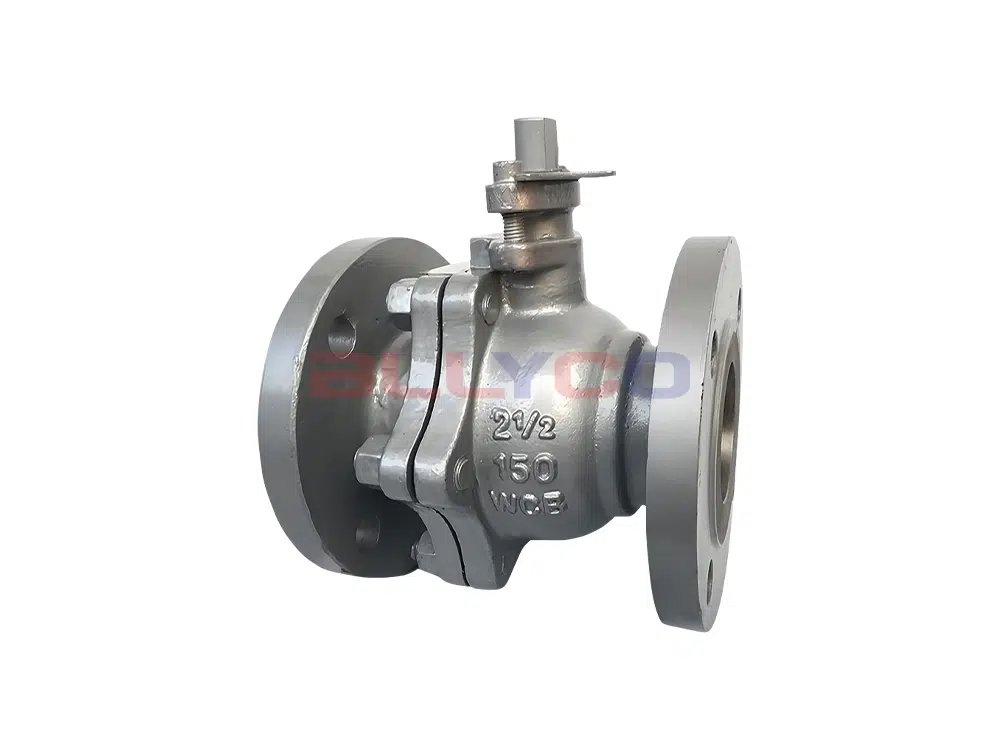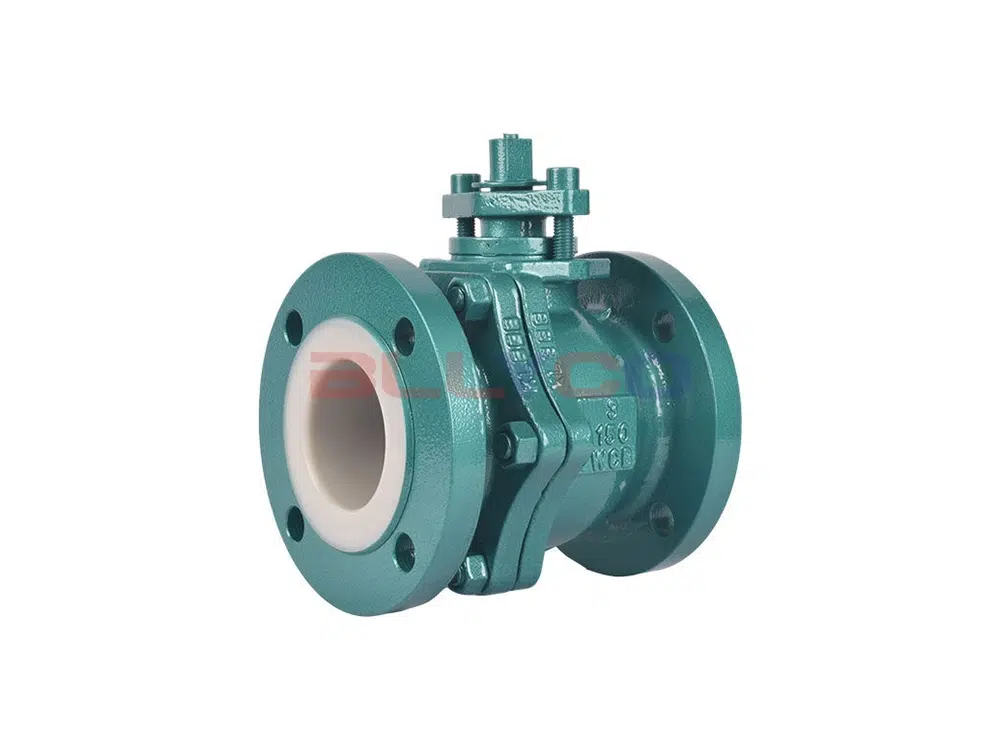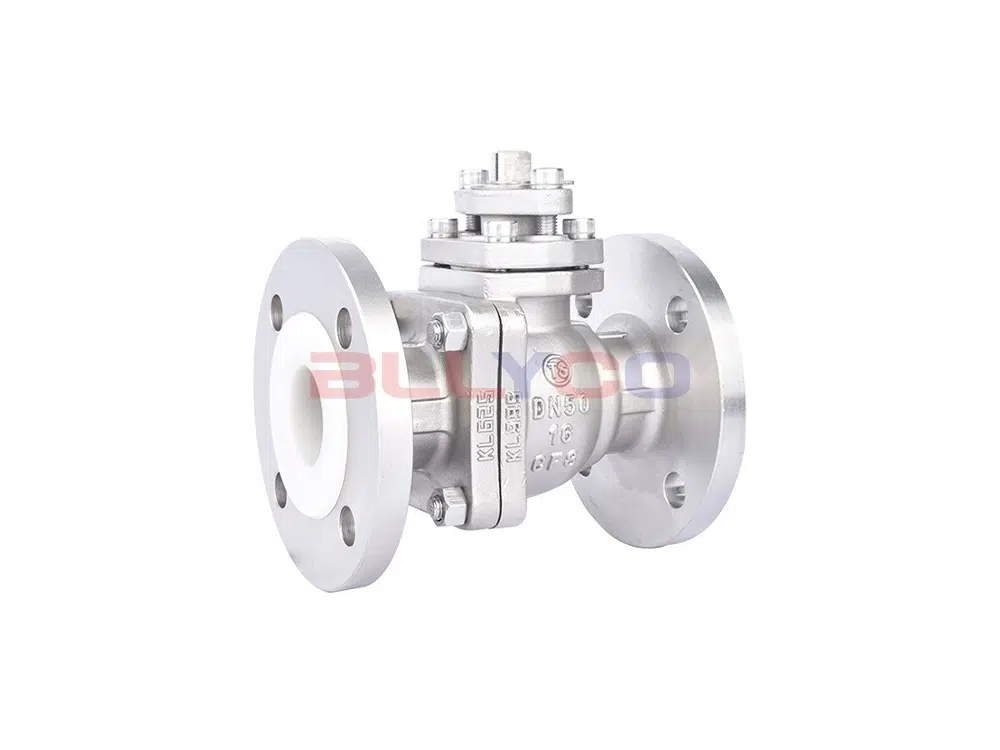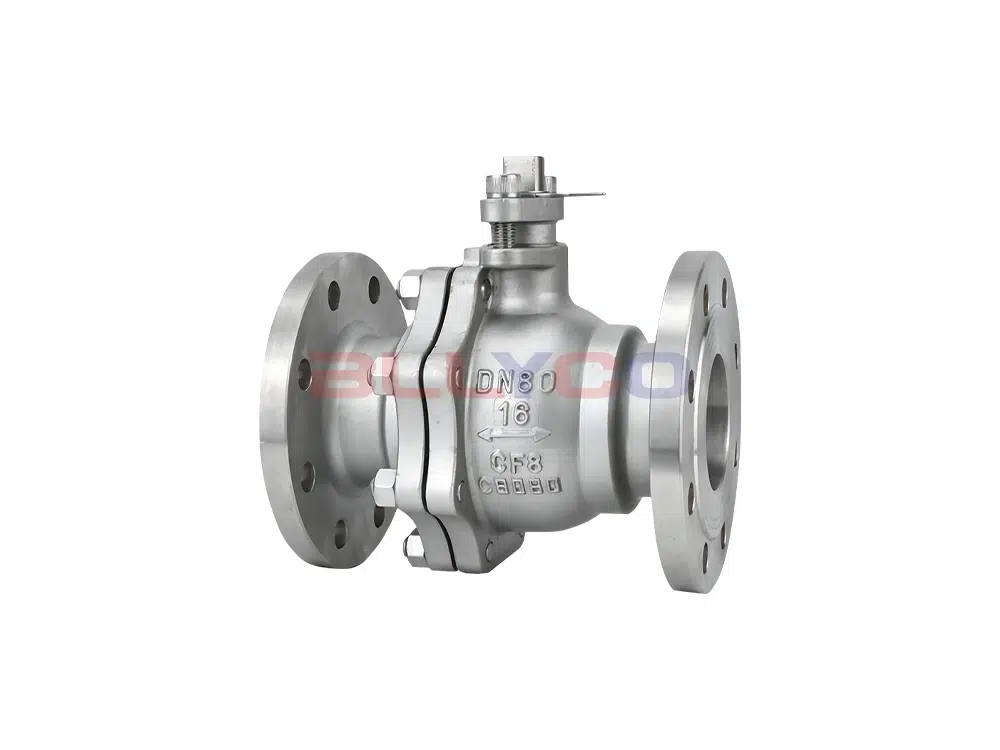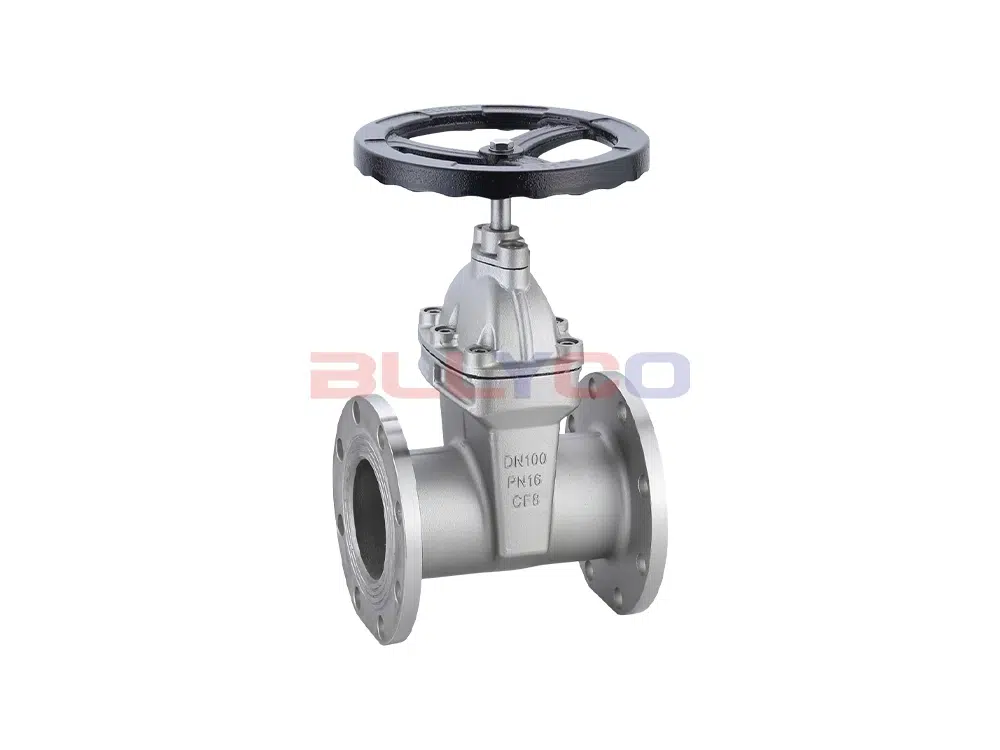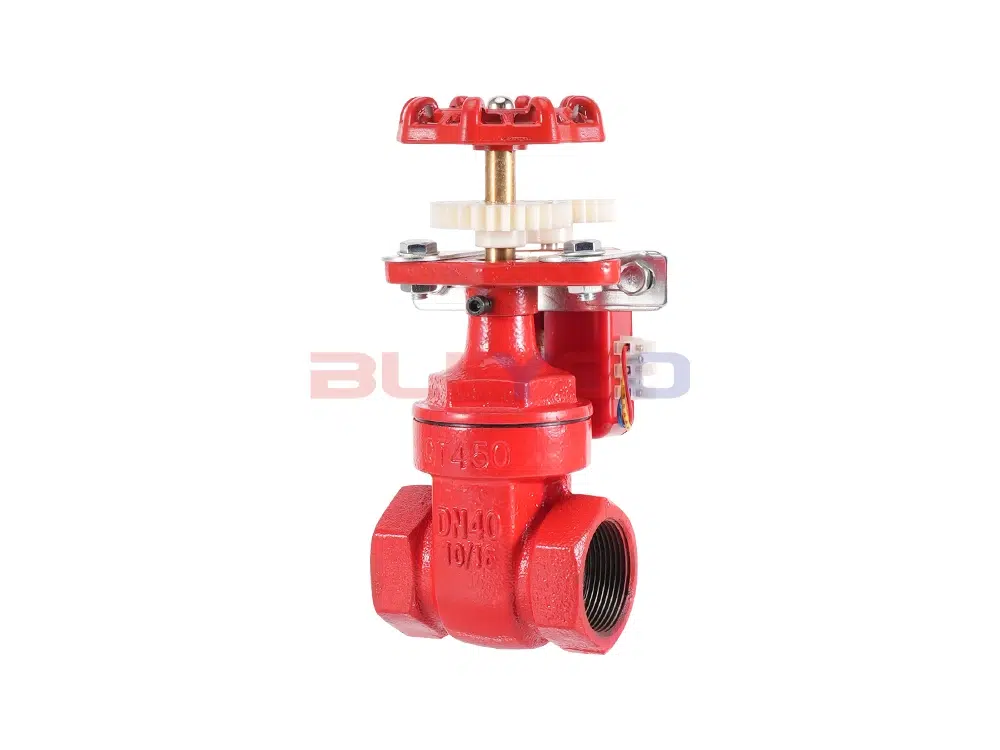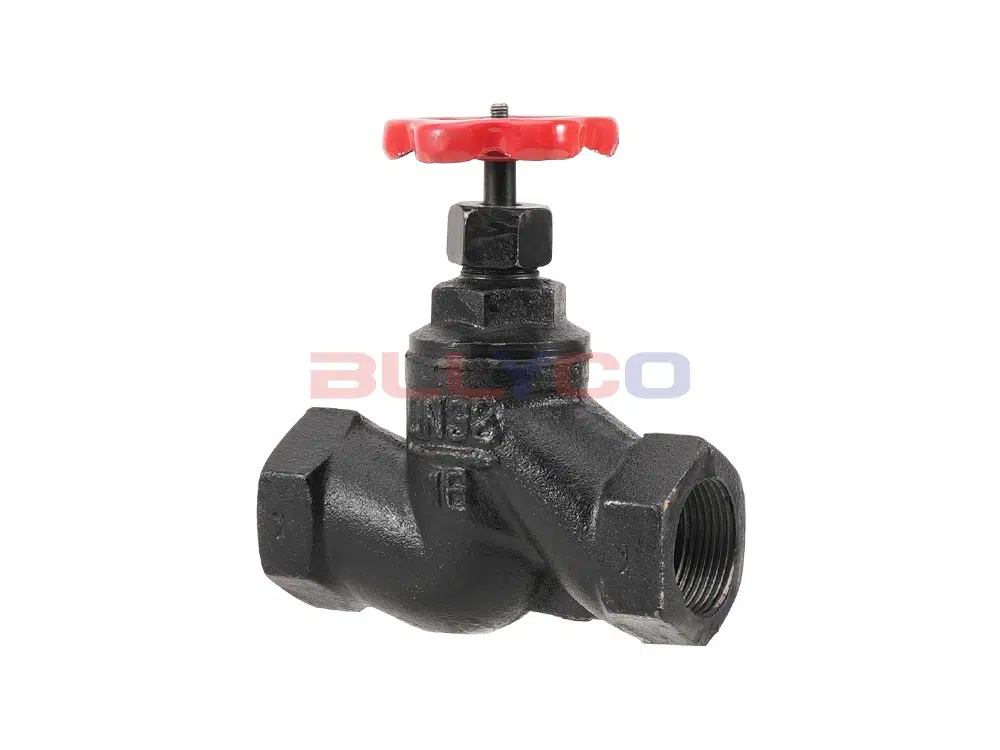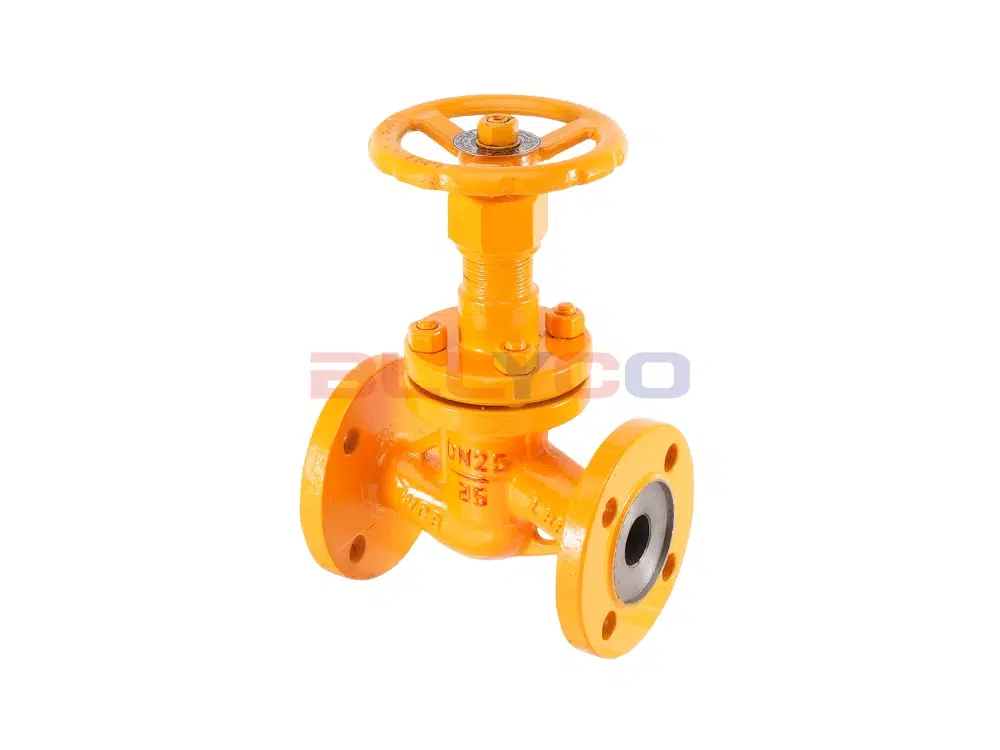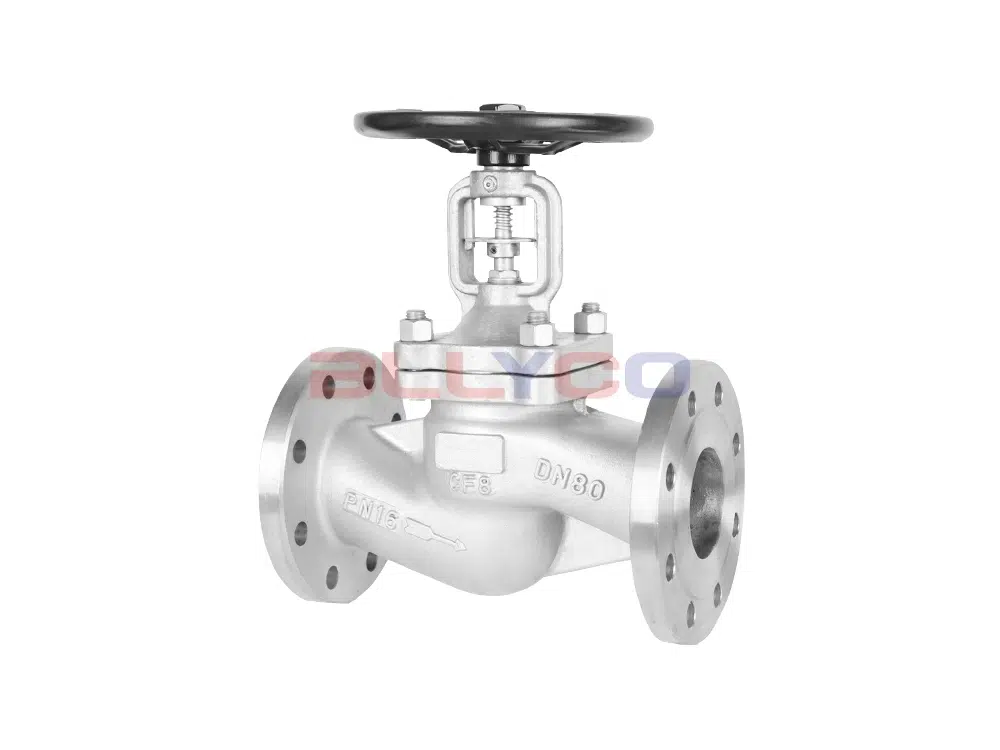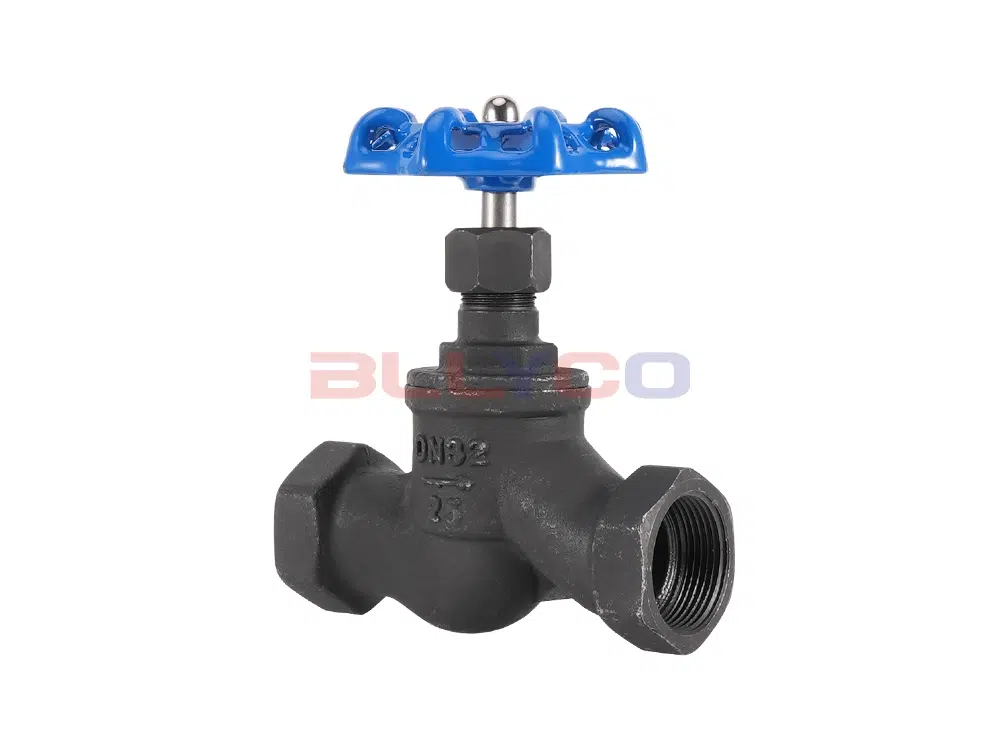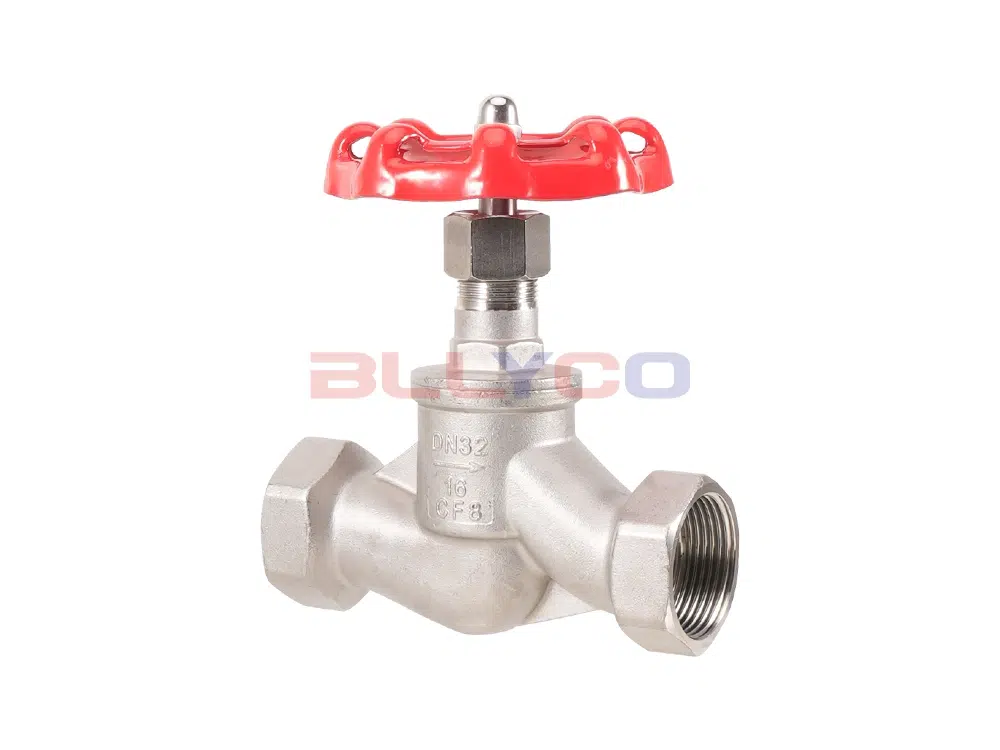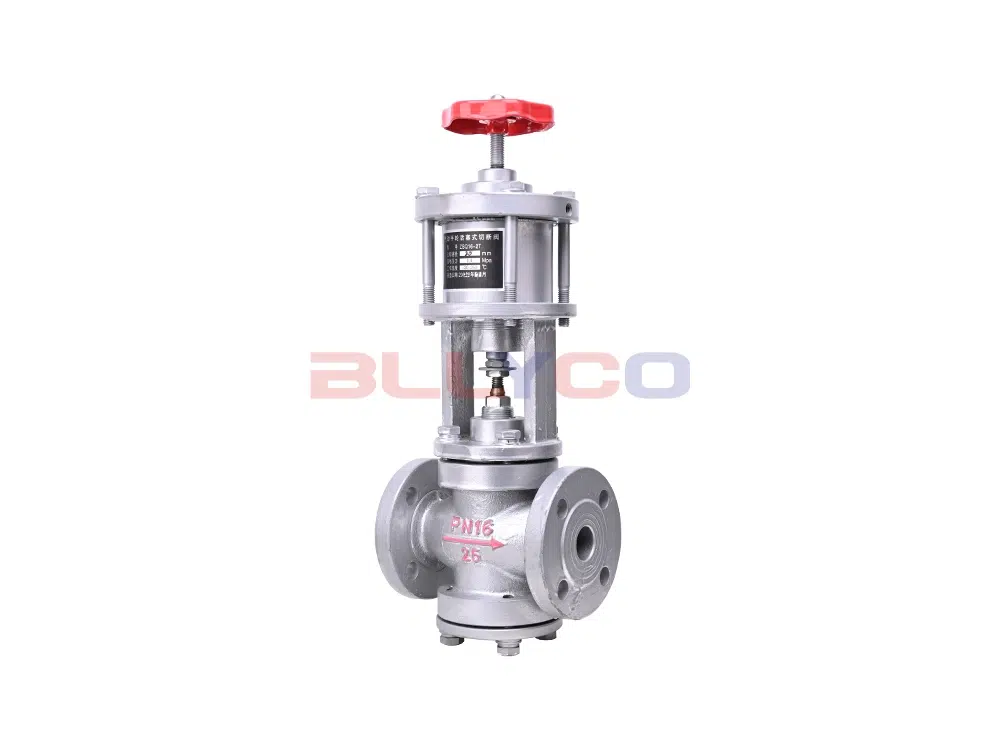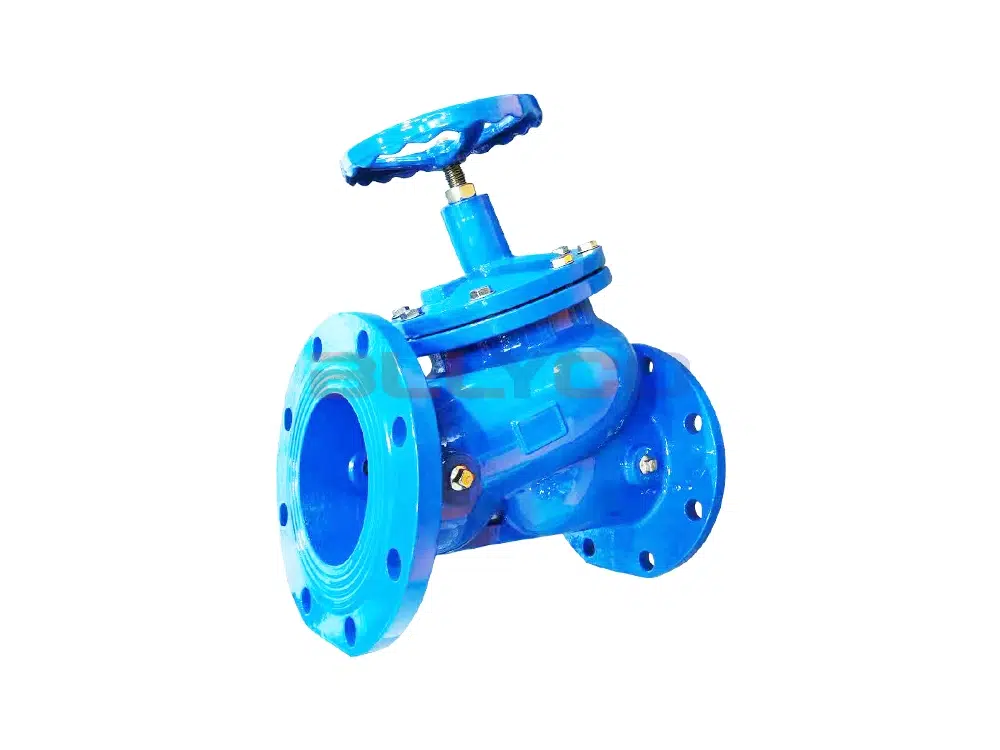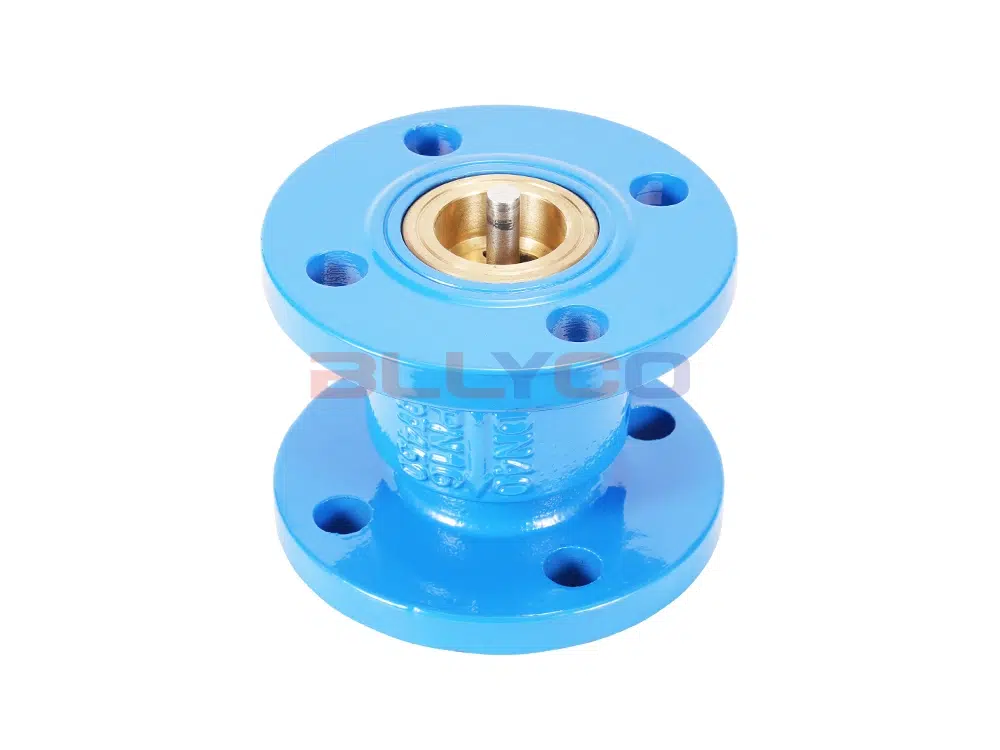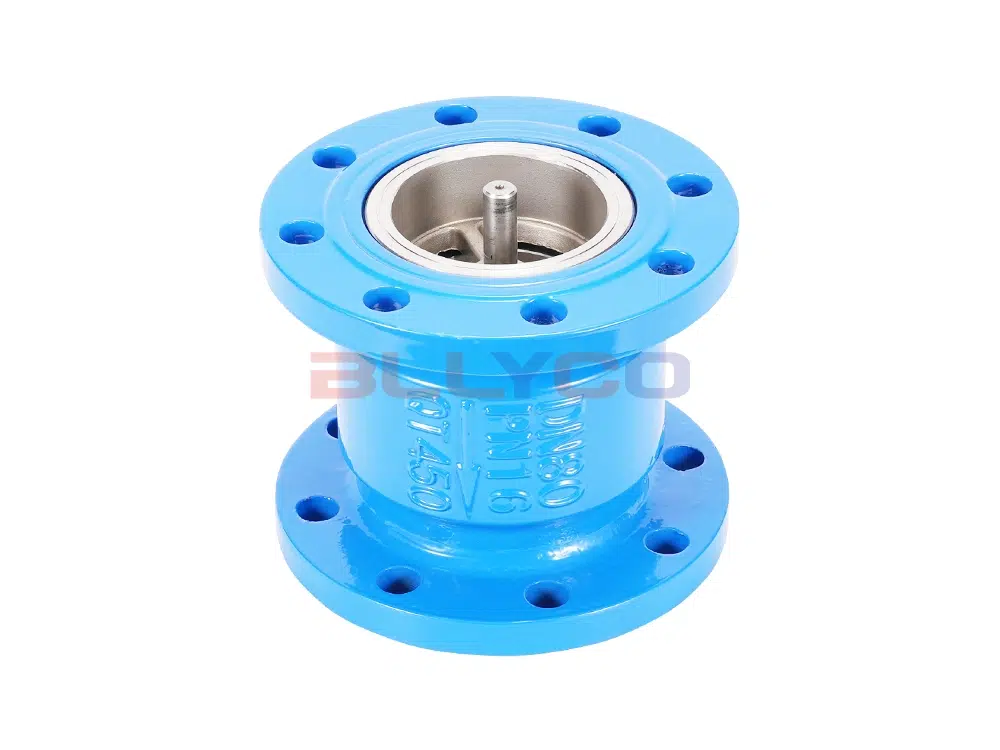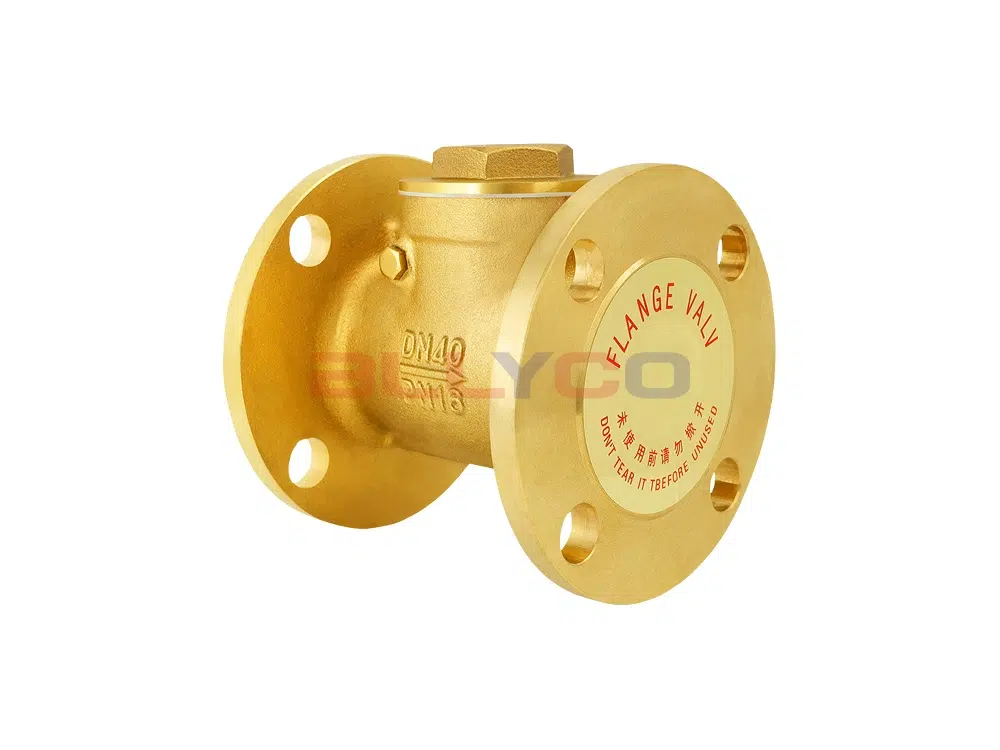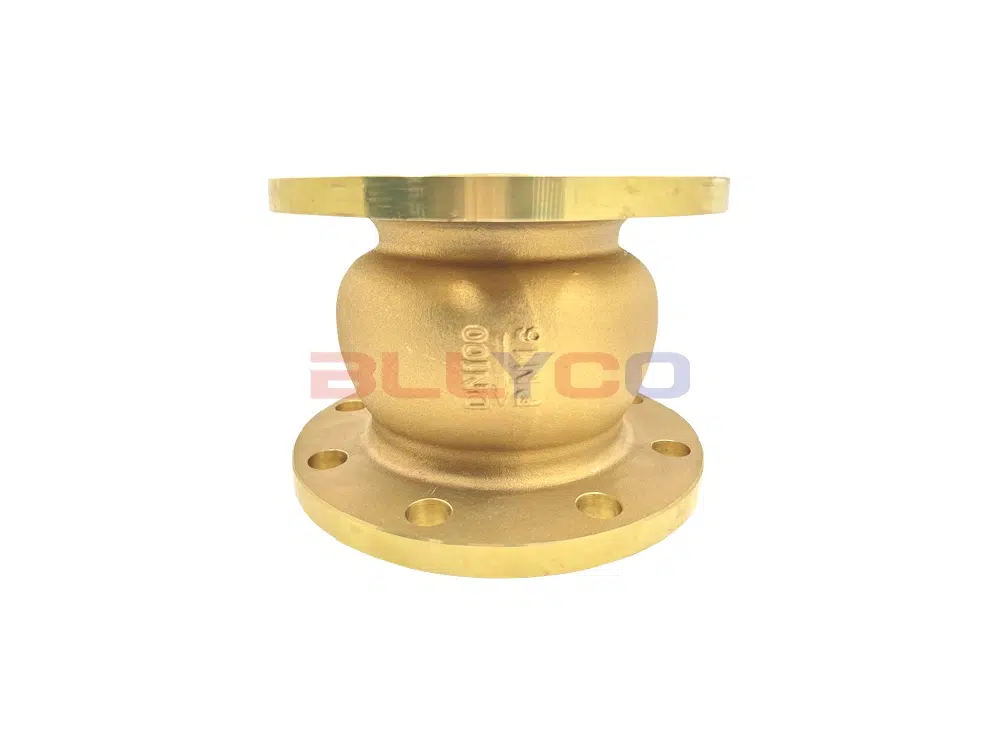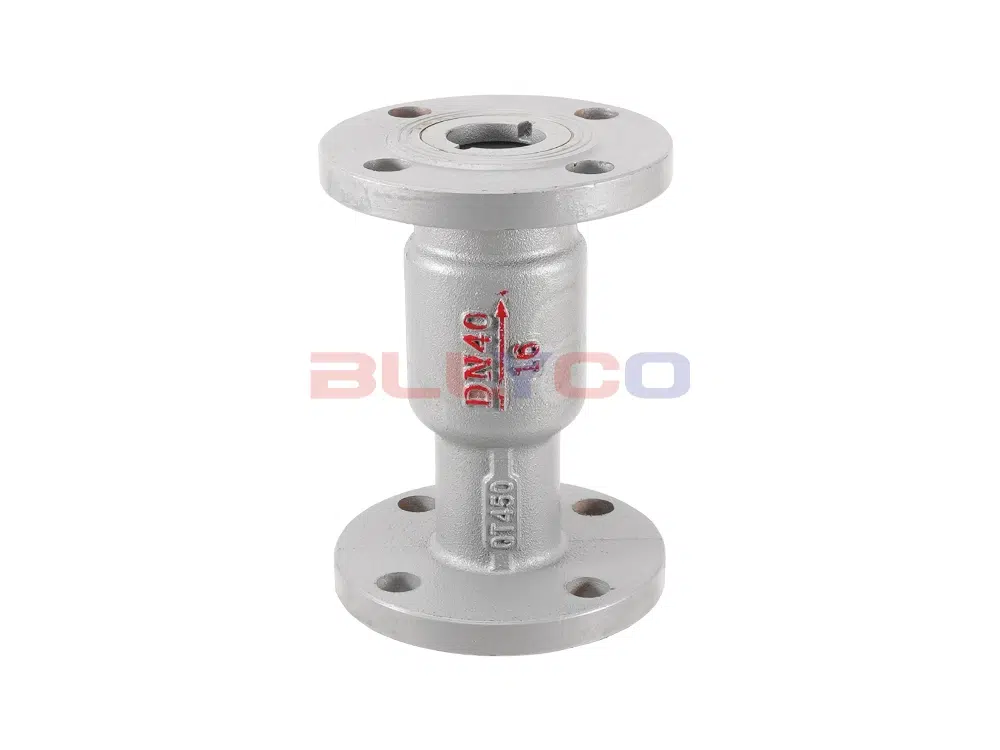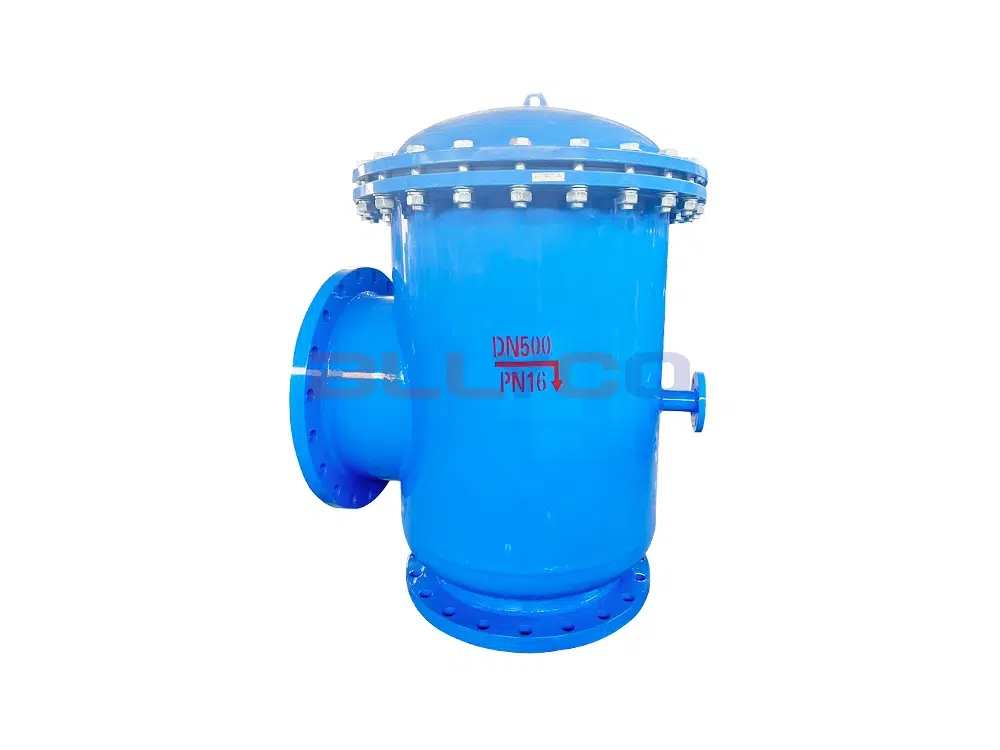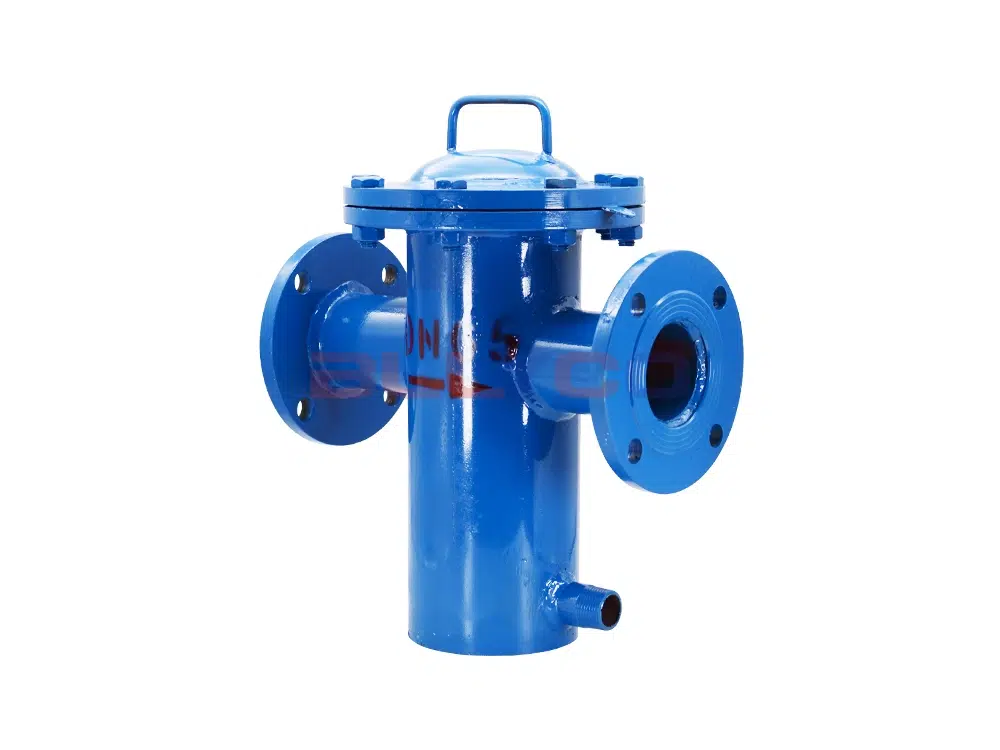










Diaphragm Pump Safety Valve Function: Safeguarding System Stability

Date: 2026-01-12 Categories: Valve Knowledge Views: 234

Excerpt:

This paper systematically elaborates on the core functions, operating principles, selection criteria, and maintenance practices of diaphragm pump safety valves. As critical overpressure protection devices, safety valves automatically open to release excess pressure, effectively preventing equipment damage such as diaphragm rupture and pipeline bursts, suppressing water hammer impacts, and ensuring process stability alongside personnel and environmental safety. The article analyzes primary valve types such as spring-loaded and weight-operated models, emphasizing that selection must comprehensively consider set pressure, flow capacity, material compatibility, and medium characteristics. Furthermore, by introducing typical application scenarios and integrating installation, maintenance essentials, and troubleshooting guidelines—supplemented with actual retrofit case studies—it demonstrates the significant value of properly configuring and maintaining safety valves in enhancing system reliability, extending equipment lifespan, and reducing overall operational costs.

隔膜泵安全阀是安装在泵体或管路关键节点上的安全保护装置,其核心作用是在系统压力超过预设安全限值时自动动作,泄放压力,从而成为保障整个输送系统稳定运行的最后一道防线。理解并正确应用安全阀,对于避免设备过载损坏、减少非计划停机、防止介质泄漏事故具有决定性意义。本文将深入解析安全阀的工作原理与核心保护功能,为不同工况下的阀门选型提供清晰适配要点,并分步详解其正确的安装位置、日常维护方法及常见故障的快速处置策略。最后,通过真实案例,直观展现一项科学的安全阀配置如何将理论上的安全保护,转化为切实的系统稳定性提升与经济效益。

Understanding the function of safety valves helps enhance system stability, extend equipment lifespan, and reduce potential risks.


I. Definition of Diaphragm Pump Safety Valves: Principles and Core Functions

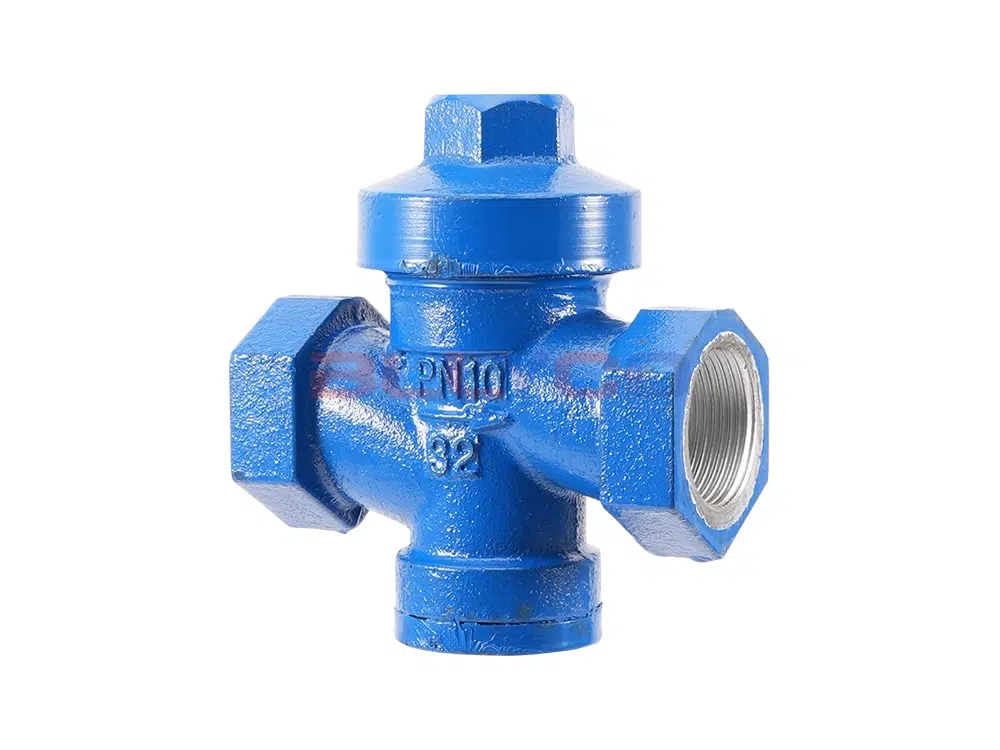
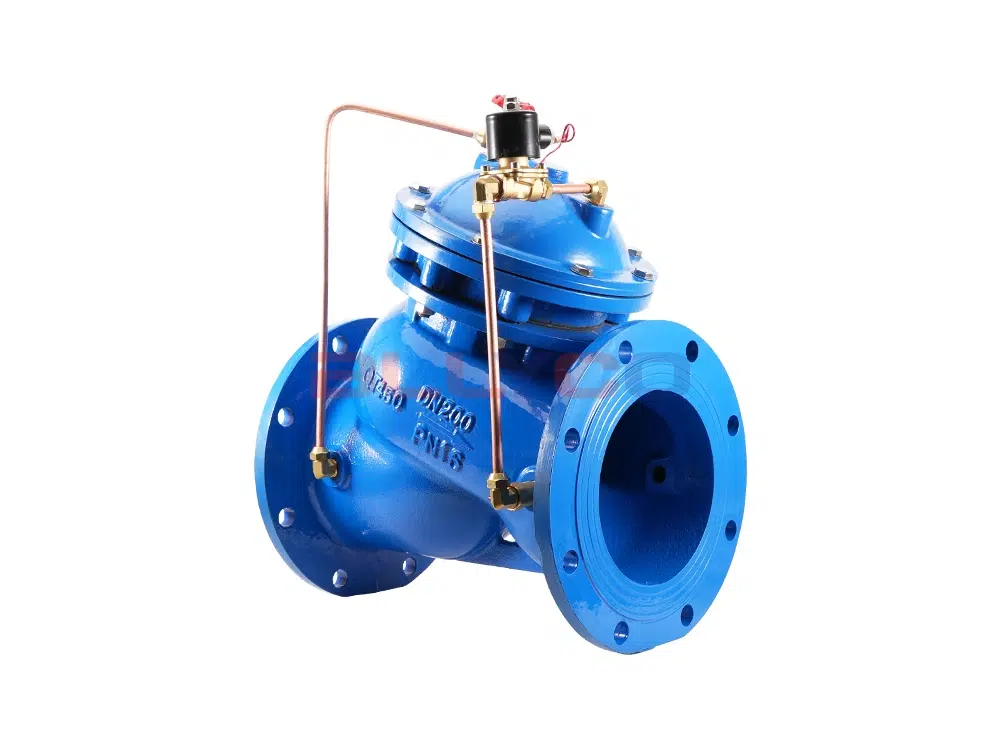
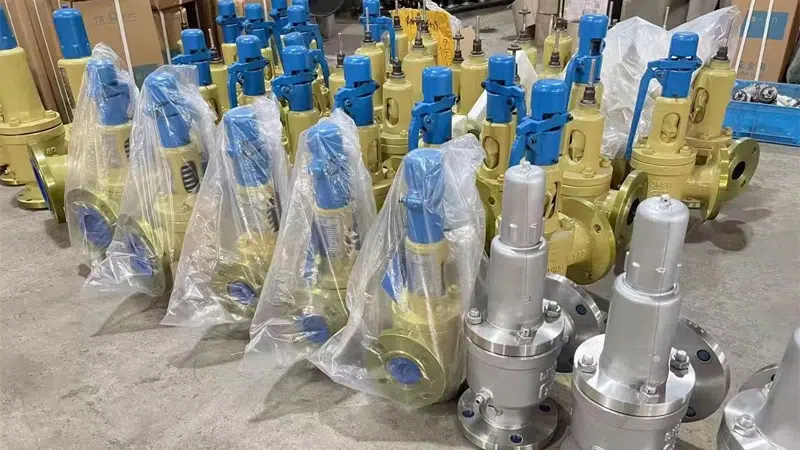
Diaphragm pump safety valves are devices designed to limit or release excess pressure, typically installed on the pump body, discharge piping, or critical points within pump stations. Their operating principle is straightforward: when system pressure exceeds the preset value, the safety valve opens to discharge excess fluid or divert pressure back to the storage tank or bypass line, automatically closing once pressure stabilizes. Core functions include:

Overvoltage Protection

Prevent diaphragm rupture, valve seat damage, or pipeline rupture.

Prevent Backflow and Water Hammer

Under special operating conditions, safety valves can cushion transient pressure spikes.

Ensure Process Stability

Maintain the set pressure range to ensure stable operation of downstream equipment and processes.

Personal and Environmental Safety

Prevent high pressure from causing media leakage or the release of hazardous chemicals.


II. Primary Types of Safety Valves and Key Selection and Matching Considerations

Types and Selection Criteria for Safety Valves The market offers a wide variety of safety valves, with common types including spring-loaded, weight-lever, pilot-operated, and open-type. When selecting a diaphragm pump, the following key points should be considered:

Set Pressure

Determine the safety valve opening pressure based on the pump's maximum allowable working pressure and system operating conditions, typically incorporating a safety margin.

Traffic Capacity

安全阀在开启时需要能够迅速释放足够流量以压制超压,流量不足可能导致阀门频繁振荡;

Material Compatibility

The corrosiveness of the medium, solids content, temperature, and other factors determine the selection of valve body and sealing materials (such as stainless steel, alloys, PTFE, etc.).

Response Speed and Reset Characteristics

Systems sensitive to transient overvoltage require valve types with fast response and reliable reset capabilities.

Blocking Design

For media containing particles or viscous substances, select anti-clogging structures or incorporate matching filtration/bypass devices.


III. Typical Application Scenarios and Practical Value

Chemical Engineering and Pharmaceutical Sciences

In the transportation of highly corrosive liquids, safety valves reduce the risk of leakage caused by overpressure, protecting critical process equipment.

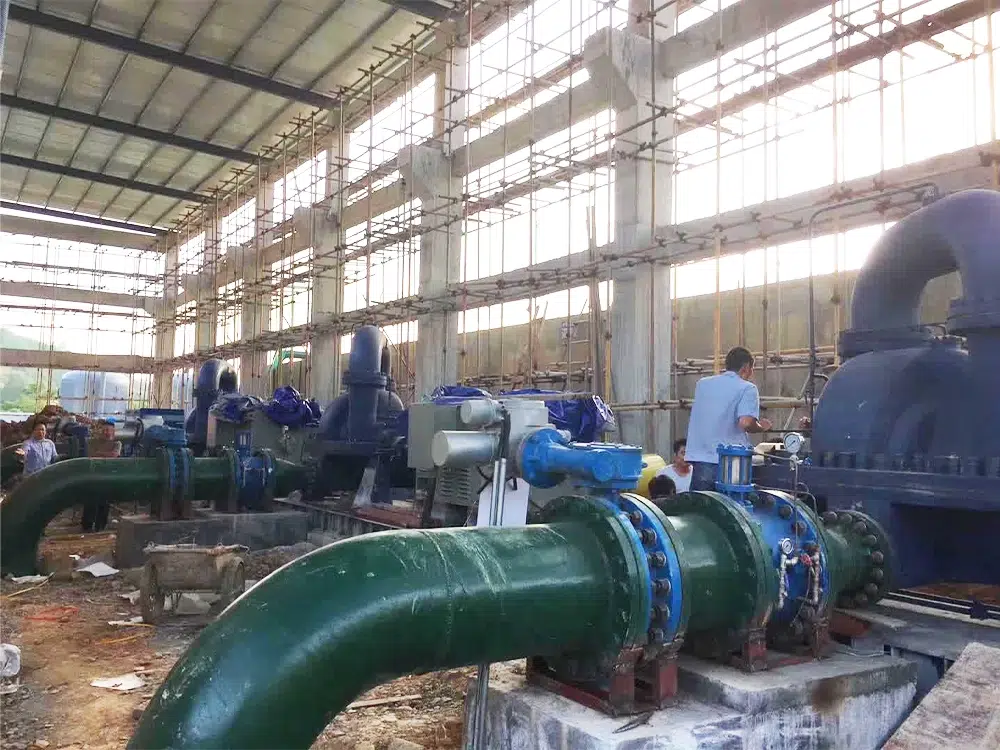
Wastewater and Water Supply and Drainage

Prevent air ingestion into the pump or sudden pressure surges in the pipeline network from damaging the pump body, while reducing the incidence of overflow incidents.

Food and Beverage

Ensure stable pressure while maintaining fluid hygiene, preventing contamination or rupture of sealed containers due to overpressure.

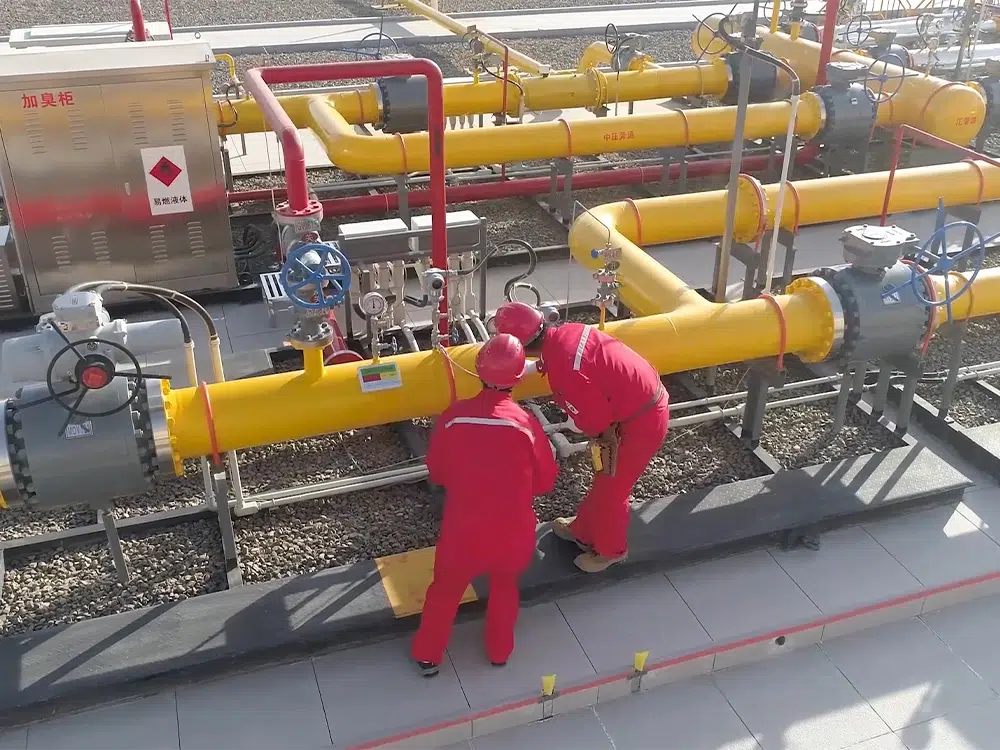
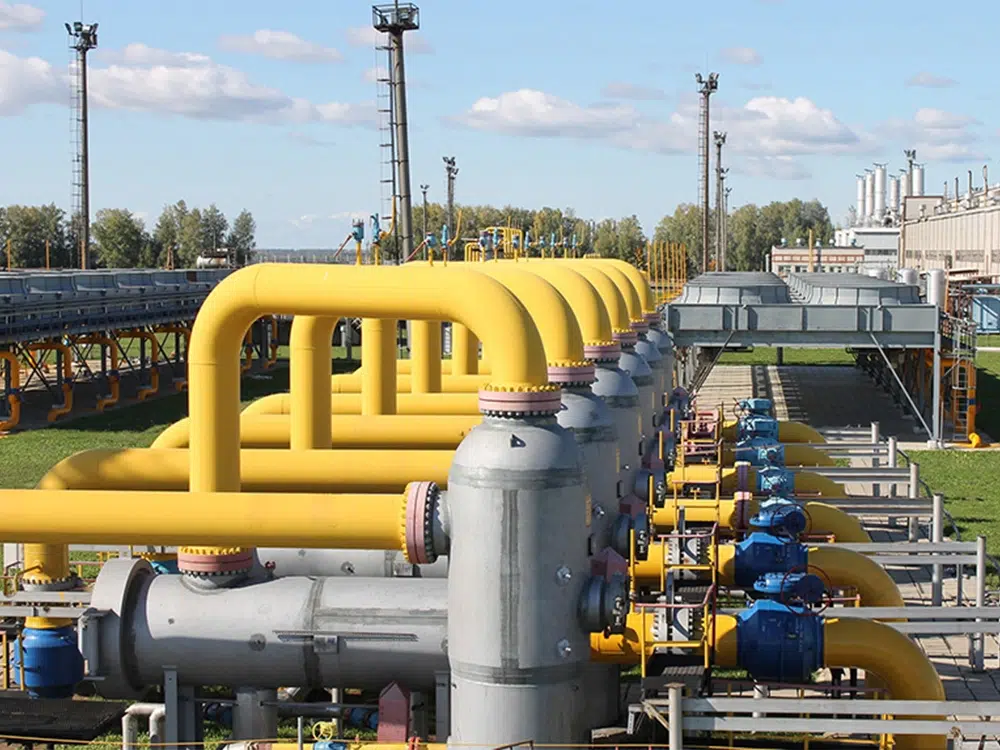
Oil and Gas

In high-pressure transmission systems, safety valves serve as the final line of defense for both equipment and personnel.


IV. Key Considerations for Selection

When procuring or upgrading diaphragm pump systems, treat safety valves as an indispensable component. During evaluation, consider not only valve specifications but also on-site conditions, maintenance capabilities, and emergency response plans. The next section will provide practical advice and real-world case studies for installation, maintenance, and troubleshooting common issues—helping you transform “theoretical protection” into “on-site reliability.” Stay tuned to master the details that make your diaphragm pump system rock-solid.


五.安装要点:确保安全阀位于“正确的位置”

Even with the most precise selection, improper installation can compromise the effectiveness of a safety valve. Several practical principles must be followed during installation:

Site Selection

Prioritize placing valves in locations that are easily observable and accessible for maintenance, avoiding liquid accumulation or air pockets.

Piping Design

Import and export pipelines should be kept as short and straight as possible to minimize resistance and stagnation.

Emission-Driven

Outlets shall be equipped with appropriate deflectors or recovery pipes to prevent direct splashing of media or injury to personnel.

Preventive Measures

For media containing particles, it is recommended to install a filter or blind flange upstream of the safety valve to reduce the risk of sticking.


六.维护与检测:延长寿命、预防隐患

Although safety valves are passive protective devices, they still require regular inspection and maintenance. Recommended routine maintenance includes:

Periodic Functional Testing

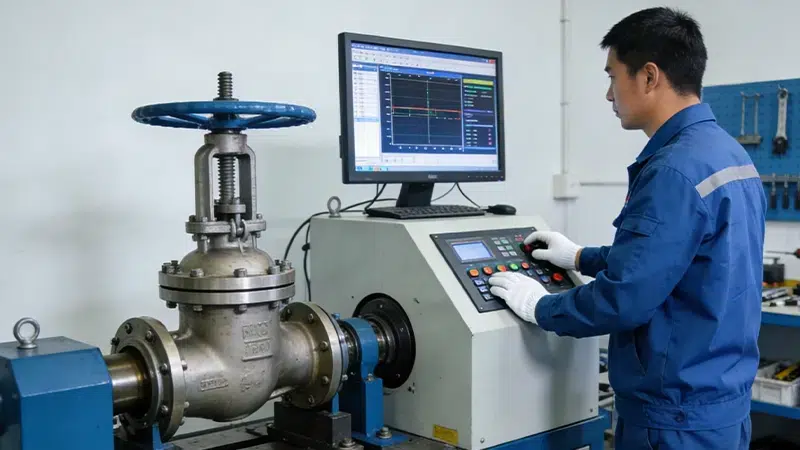
Simulate overpressure conditions to verify the reliability of valve opening and reset.

Cleaning and Seal Inspection

Inspect critical components such as the valve seat, spring, and diaphragm for corrosion or wear, and replace seals as necessary.

Calibration Set Pressure

After prolonged operation, the set pressure may drift. Regular calibration ensures the valve operates as intended.

Recording and Tracking

Establish and maintain records documenting each test, malfunction, and replacement part for long-term management purposes.


VII. Common Fault Diagnosis and Rapid Response

When encountering anomalies, rapid assessment and resolution can minimize losses. Common issues and troubleshooting approaches:

The Valve Does not Open.

Check whether the set pressure is too high, the spring has failed, or the valve seat is stuck; for media containing sediment, check for blockages.

Frequent Tripping of the Valve

It may be due to excessive system pressure fluctuations or valve settings approaching normal operating pressure. Consider enhancing system pressure stabilization or adjusting setpoints and bypass strategies.

Incomplete Leakage or Discharge

Seals must be replaced if aged or worn; valve seats must be replaced if worn. Optimize the layout or increase the diameter of the discharge pipeline if resistance is excessive.


VIII. Case Study: Small Changes, Big Returns

During the retrofit of a diaphragm pump station at a wastewater treatment plant, the original design failed to adequately account for backflow and transient pressure. During initial operation, multiple diaphragm ruptures occurred, resulting in high downtime rates. Following an on-site assessment, the technical team installed spring-loaded safety valves with bypasses at the outlet of each diaphragm pump. Additionally, coarse strainers were added upstream of the valves, and the discharge pipe diameter was optimized. After the retrofit, system overpressure incidents virtually disappeared, diaphragm lifespan significantly increased, and operational and maintenance costs decreased.

This case demonstrates that properly configuring safety valves is not merely a passive measure to meet safety compliance requirements, but rather a proactive investment that directly enhances economic benefits.


IX. Conclusion

Conclusion and Action Recommendations In diaphragm pump systems, the safety valve is more than just a “valve”; it serves as a silent guardian. Proper selection, scientific installation, and regular maintenance can transform equipment protection from reactive accident response into proactive risk management. If you're facing pump station instability, frequent diaphragm replacement, or concerns about high-pressure hazards, consider starting with a safety valve assessment—a seemingly minor adjustment that often yields long-term, significant returns.

WeChatWeiboFacebookXRedditPinterestLinkedInStumbleUponWhatsAppvKontakteCopy link