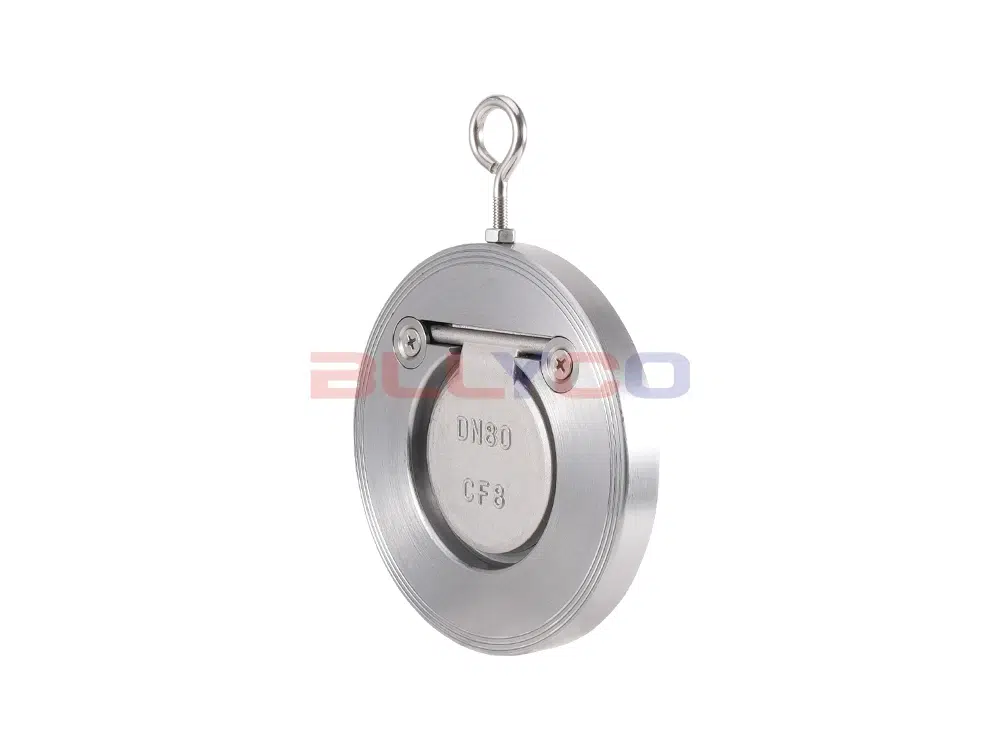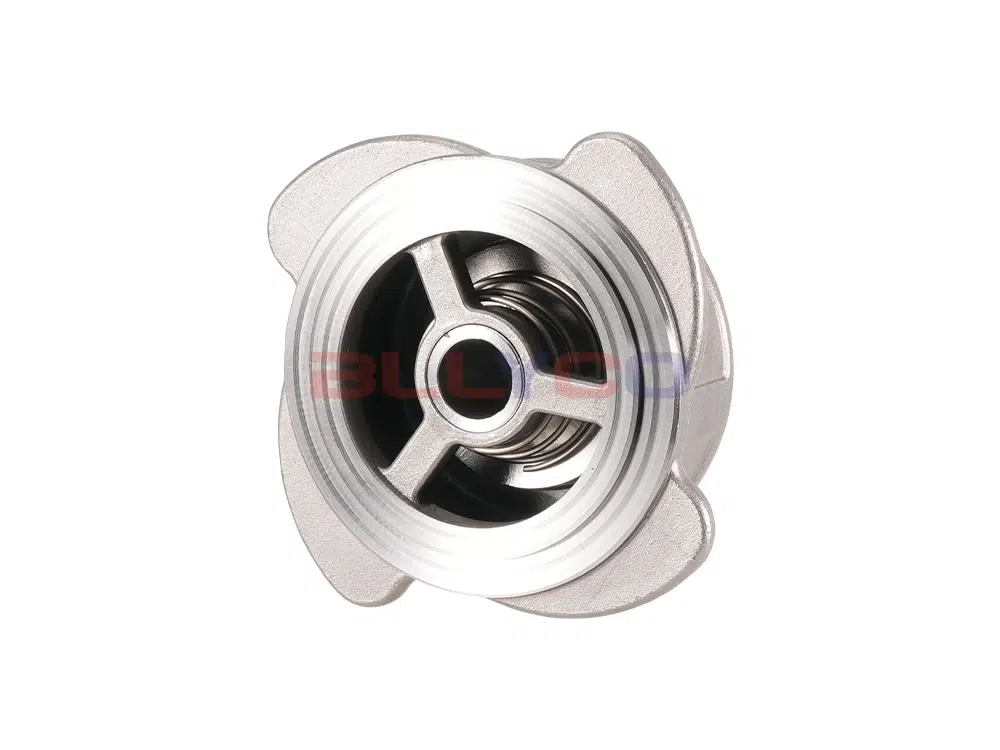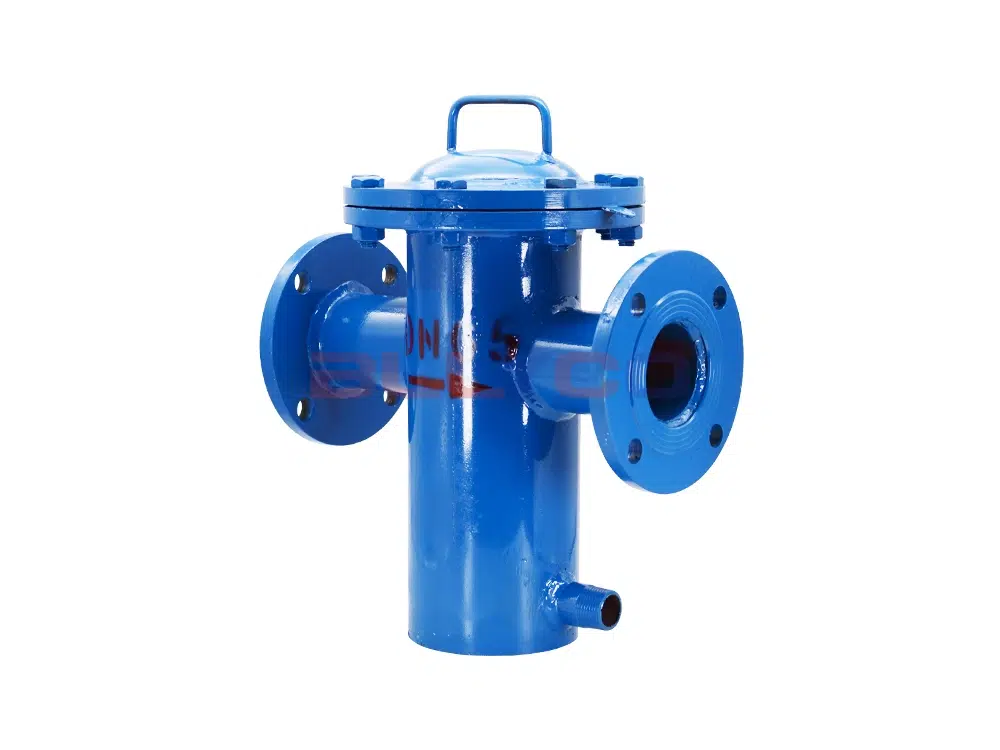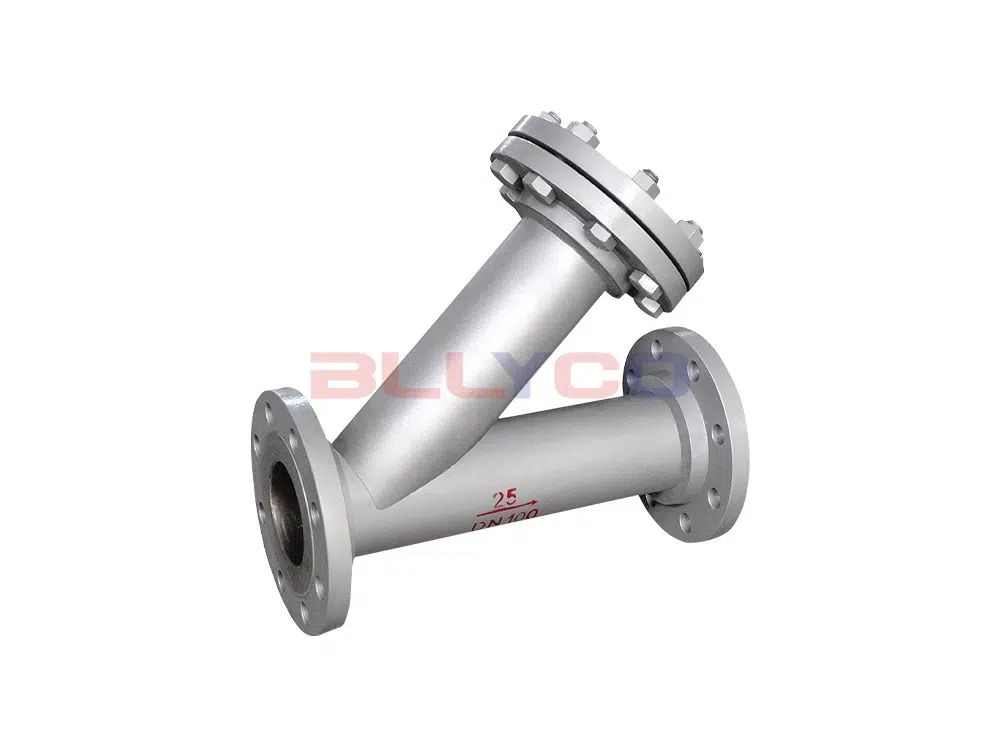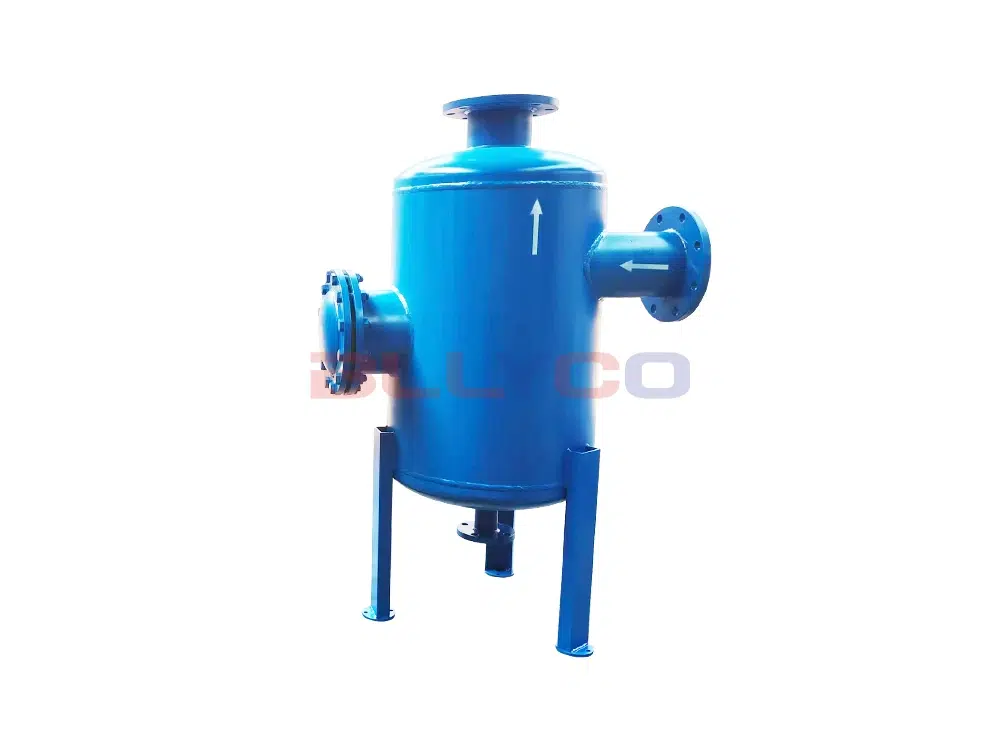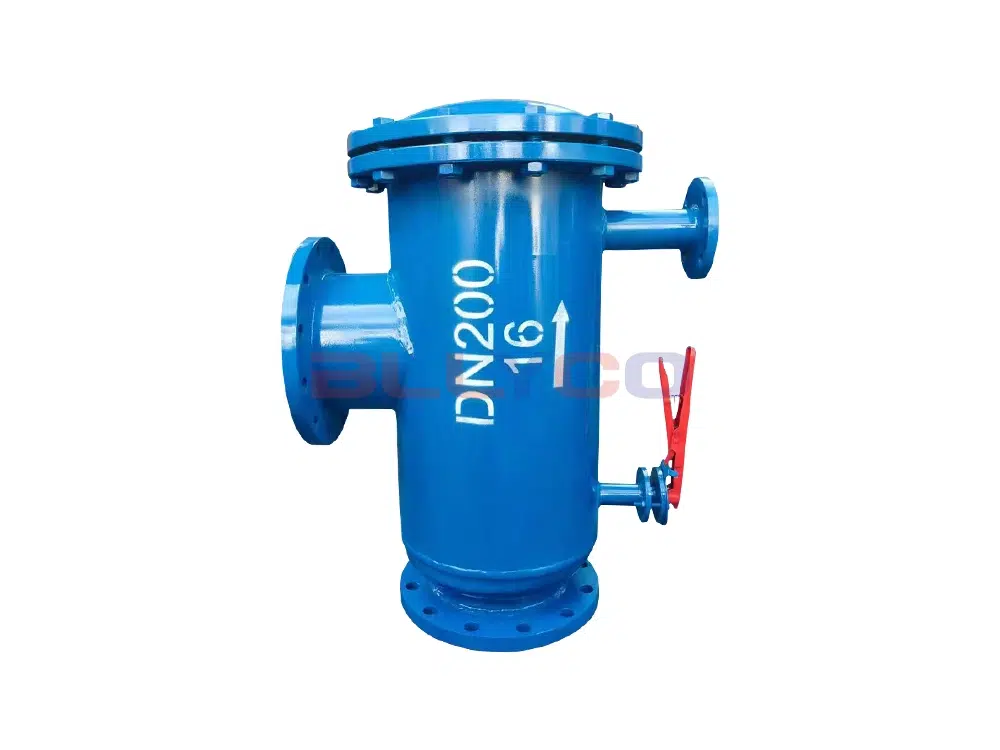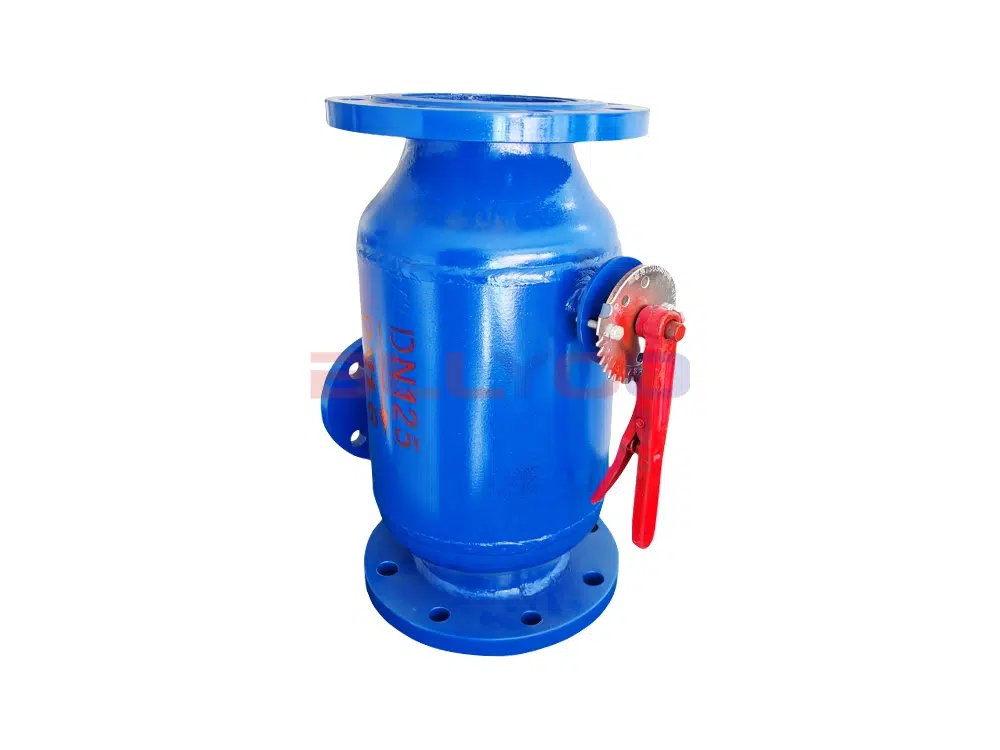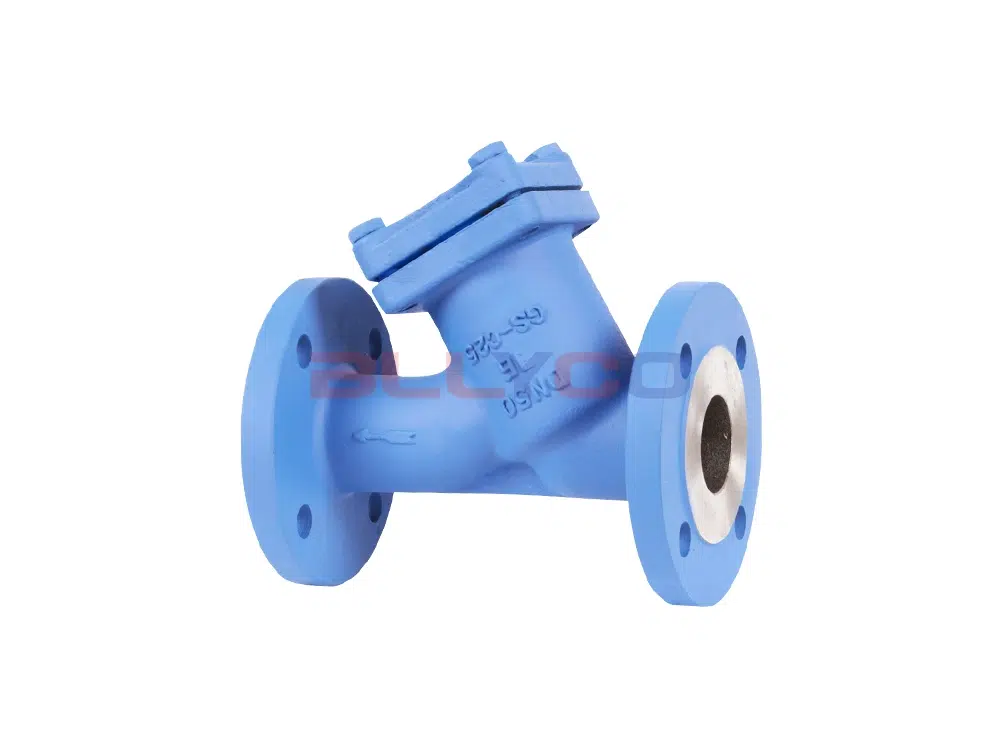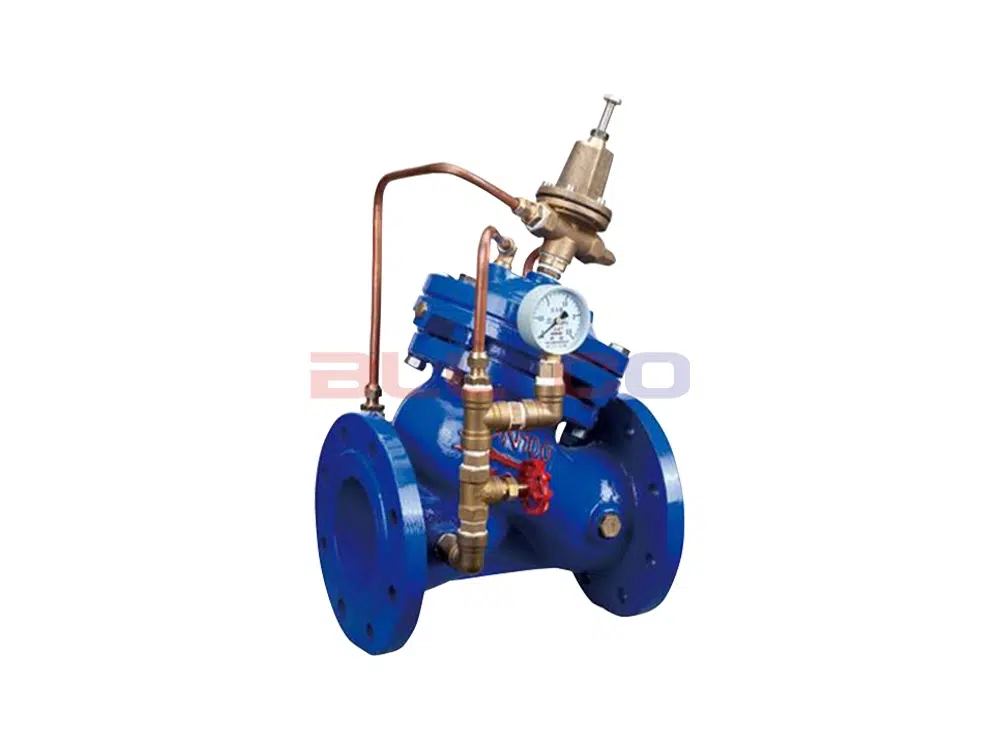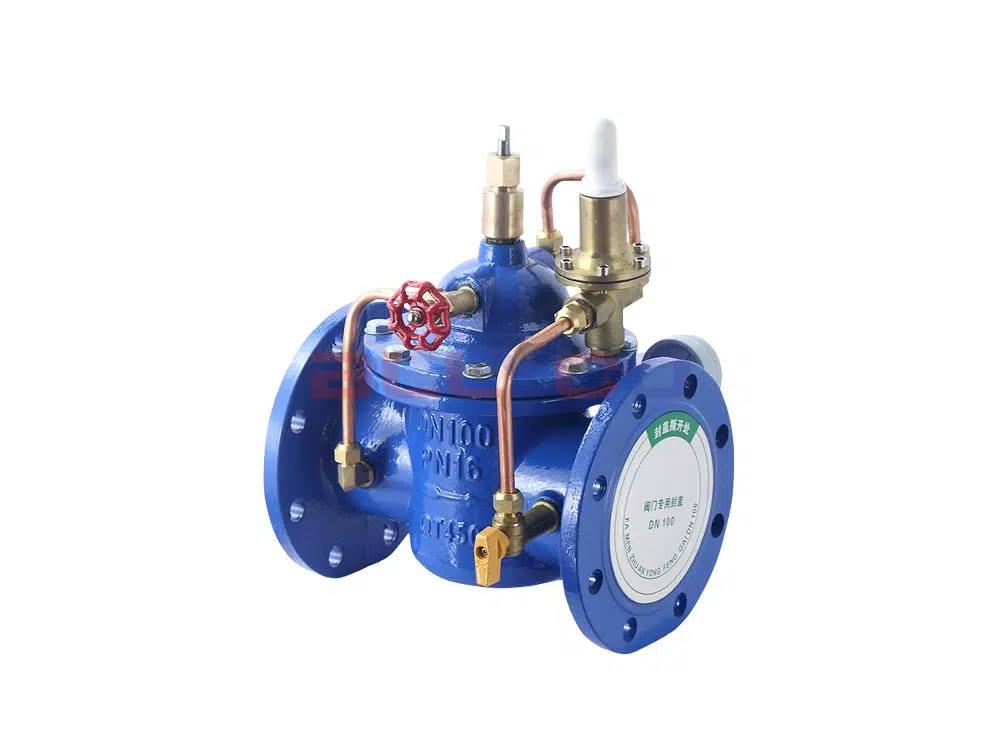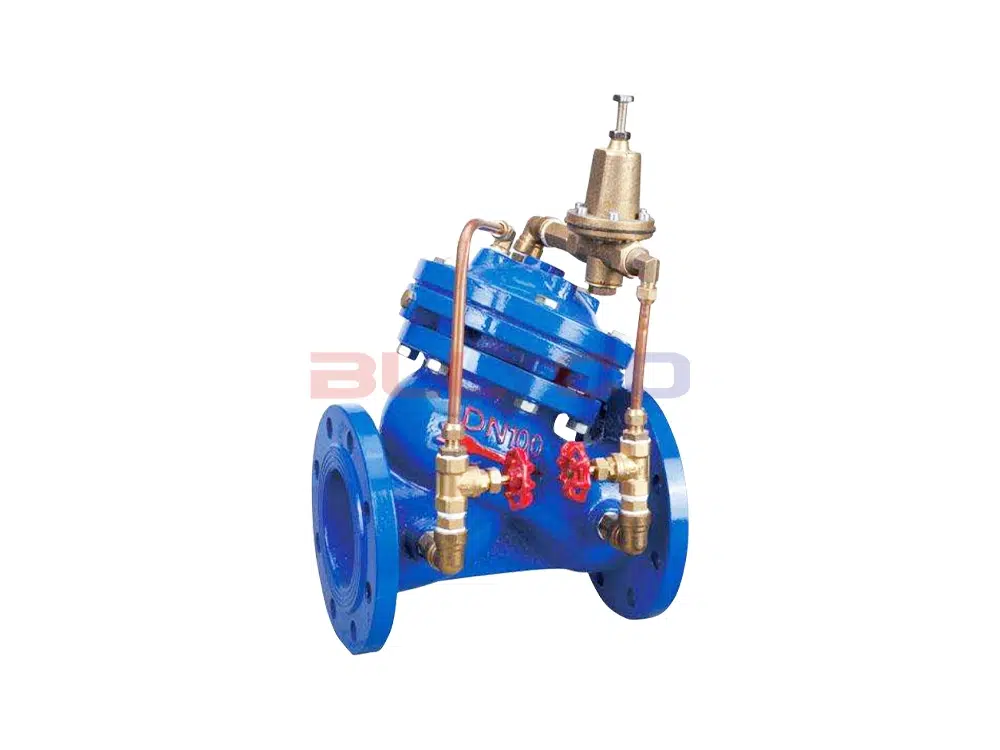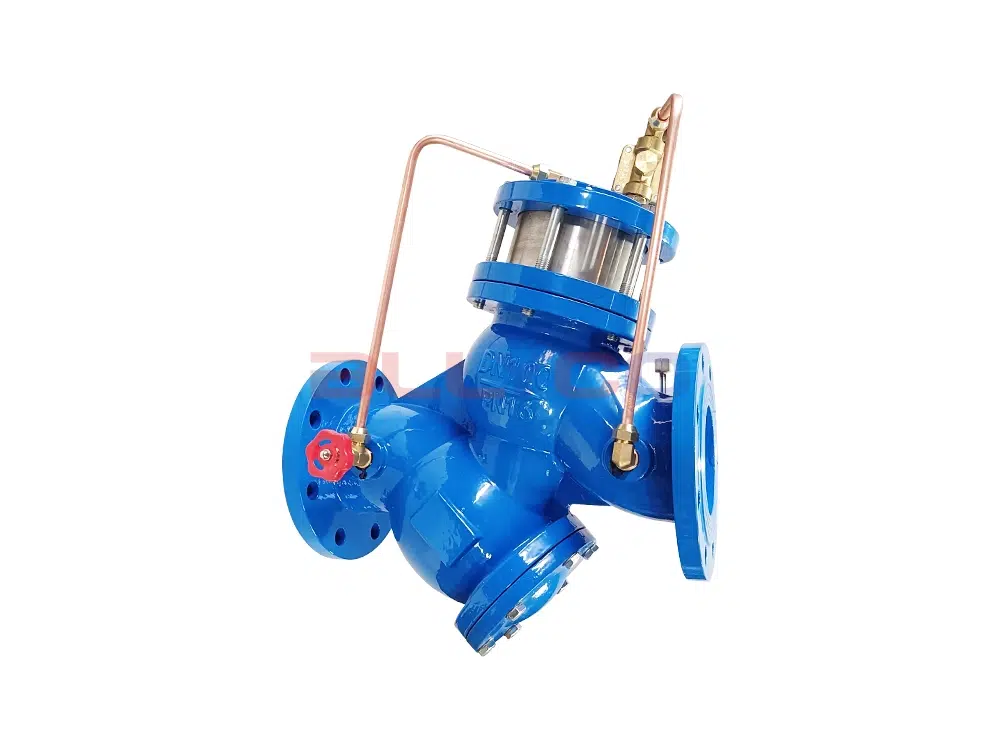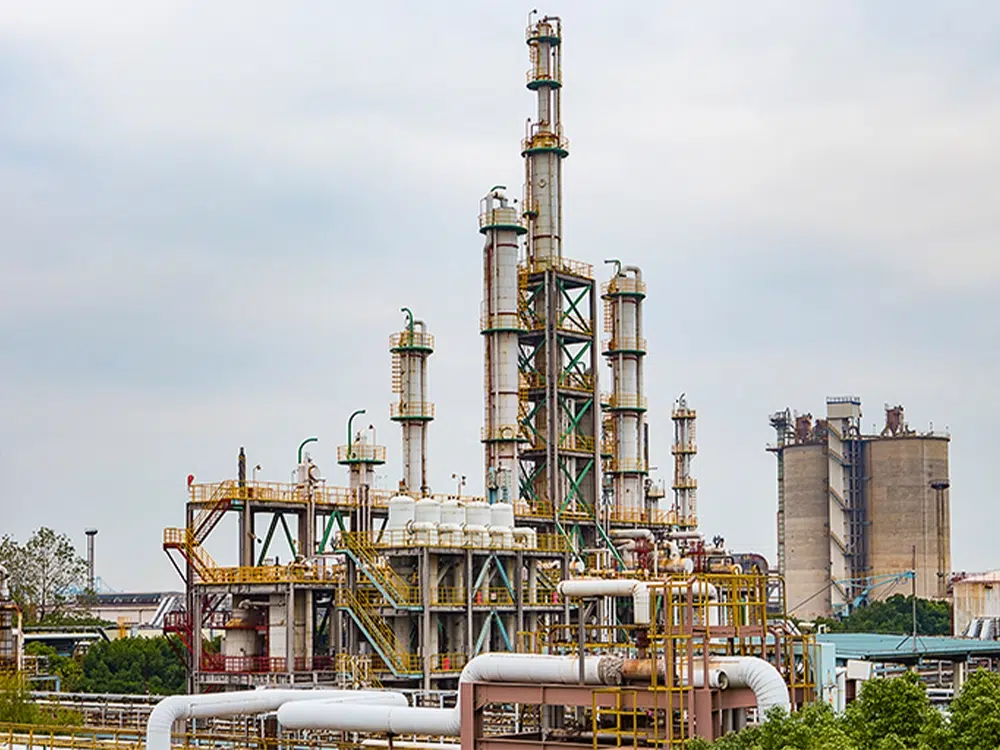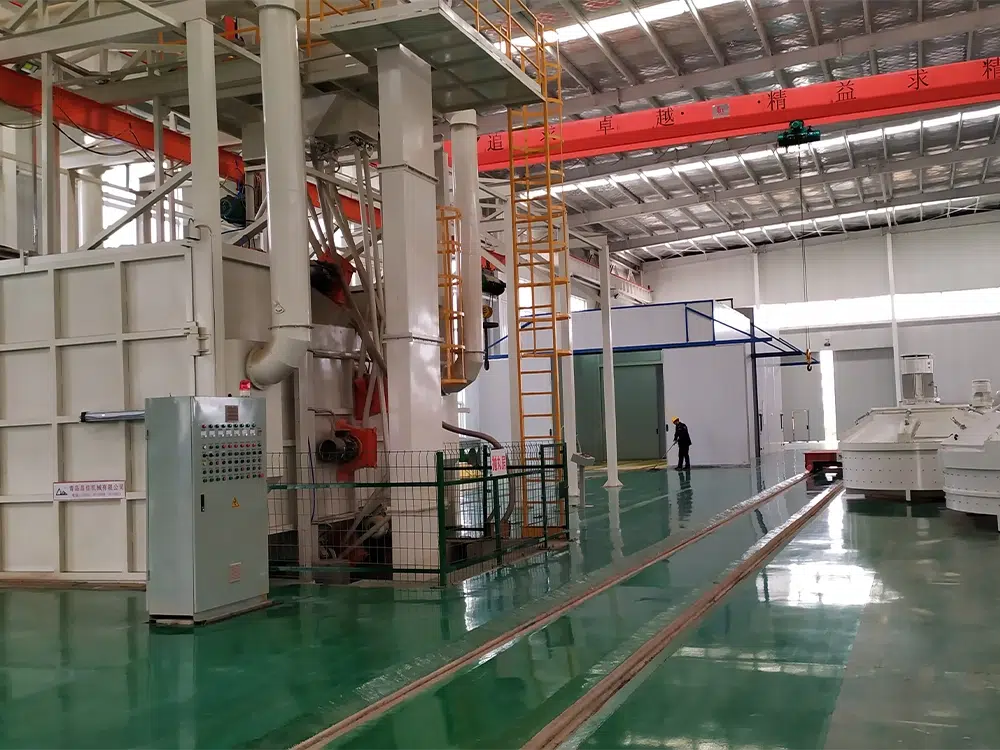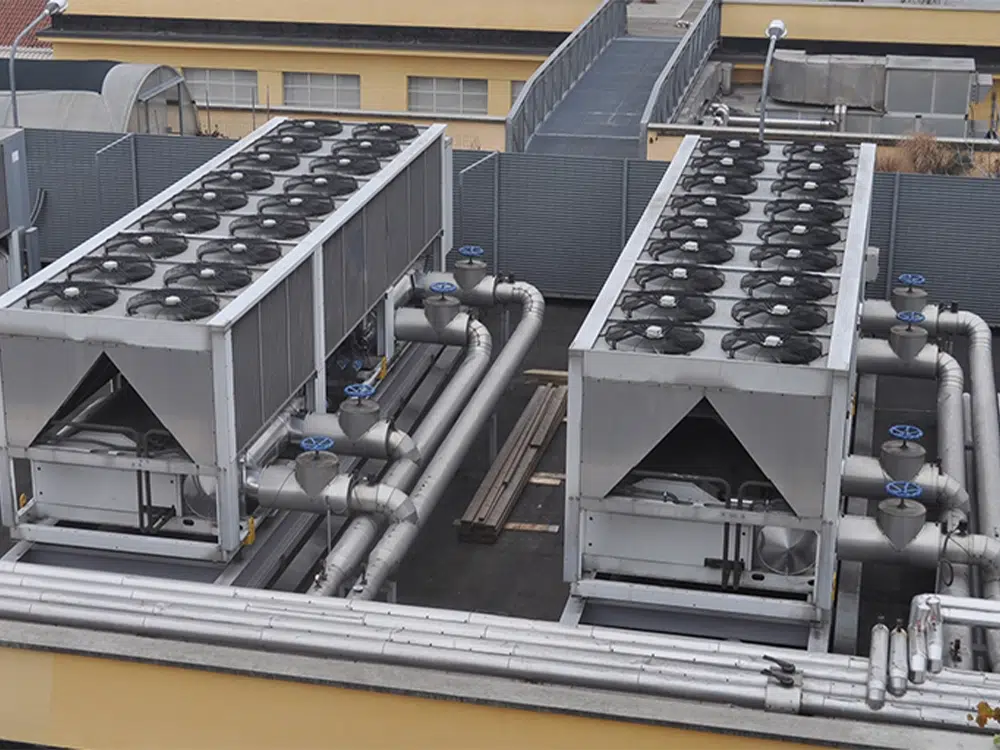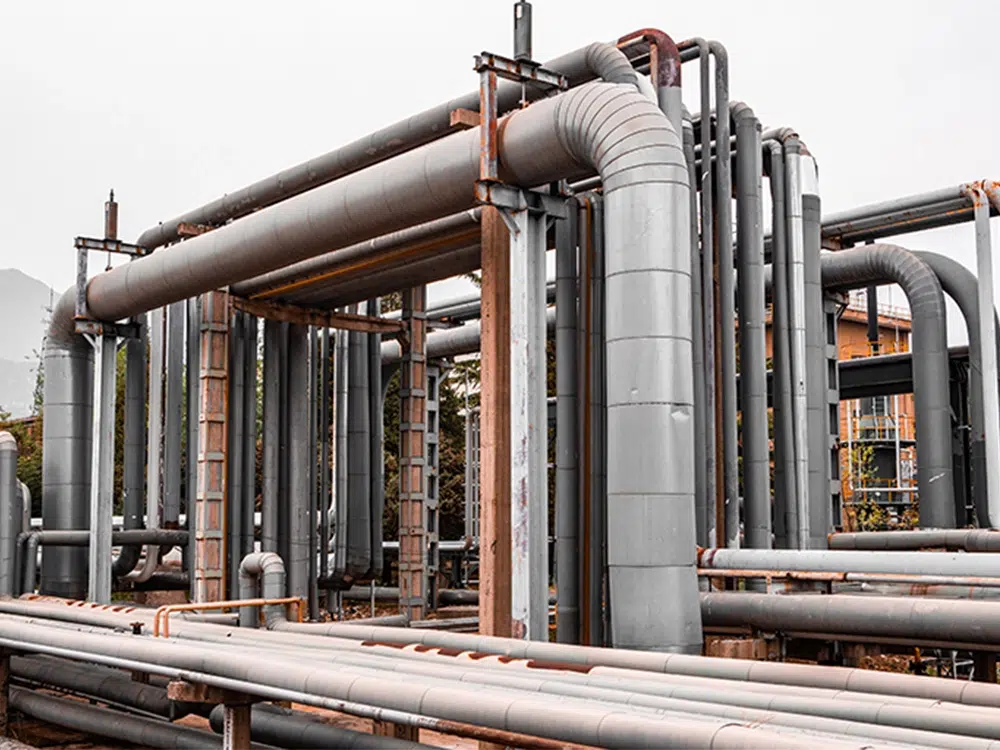










Cyclone desander is a sand removal equipment integrating cyclone and filtration, this product is mainly used to remove solid particles and sediment in groundwater and including underground hot water and other water sources, applicable to water source heat pump system, central air-conditioning circulating cooling water, chilled water system, winter heating and cooling circulating water system, industrial cooling circulating water system and so on. Widely used in chemical industry, environmental protection, food, and many other industrial industries, in the field of water treatment to achieve sand removal, turbidity reduction, solid-liquid separation, sediment separation and other significant results.
Working Principle
The cyclone sand separator operates on the principles of centrifugal sedimentation and density differences. When water enters the separator tangentially at the inlet under pressure, it generates intense rotational motion. Due to the differing densities of sand and water, the combined effects of centrifugal force, centripetal force, buoyancy, and fluid drag cause the less dense water to rise and exit through the outlet. while denser sand particles are discharged through the bottom drain port, achieving effective sand removal.
Product Features
- Simple structure, easy operation, safe and reliable use, with virtually no maintenance required.
- Compared to sand removal equipment such as expansion pipes and buffer boxes, it offers advantages including compact size, high processing capacity, and space-saving installation.
- Can remove sand particles from water during uninterrupted water supply.
- It avoids the secondary water contamination issues associated with other sand removal methods and achieves high sand removal efficiency.
Application Areas
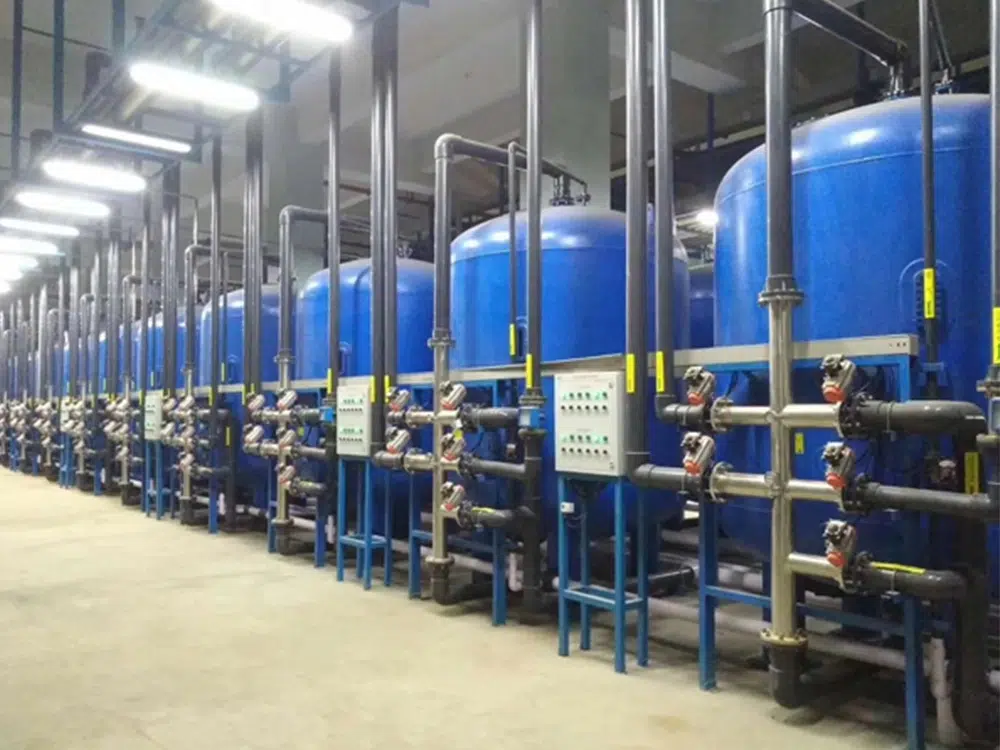
Swirl sand separators are widely used in ground-source heat pumps, water treatment, food processing, pharmaceuticals, industrial mineral processing, solid-liquid separation, liquid degassing, and the separation of immiscible liquids. They are also employed for removing sand from river water and well water, as well as in coal washing water applications.
Selection Considerations
When selecting a cyclone sand separator, factors such as the water flow rate, external pipe diameter, pipeline operating pressure, raw water quality, and post-treatment water quality requirements must be considered. Generally, when choosing a cyclone sand separator, prioritize larger models that meet the flow rate requirements. It is recommended to use multiple units in parallel within the system instead of a single large unit to achieve better solid-liquid separation results.
Installation Notes
- The cyclone sand separator should be installed on the main pipeline of the water supply network and secured to its base. A bypass must be installed between the inlet and outlet pipes.
- To ensure a steady inflow of water, a straight pipe of the same diameter as the inlet should be installed upstream of the equipment inlet, with a length equivalent to 10-15 times the diameter of the inlet.
- Sufficient maintenance space should be reserved around the equipment during installation.
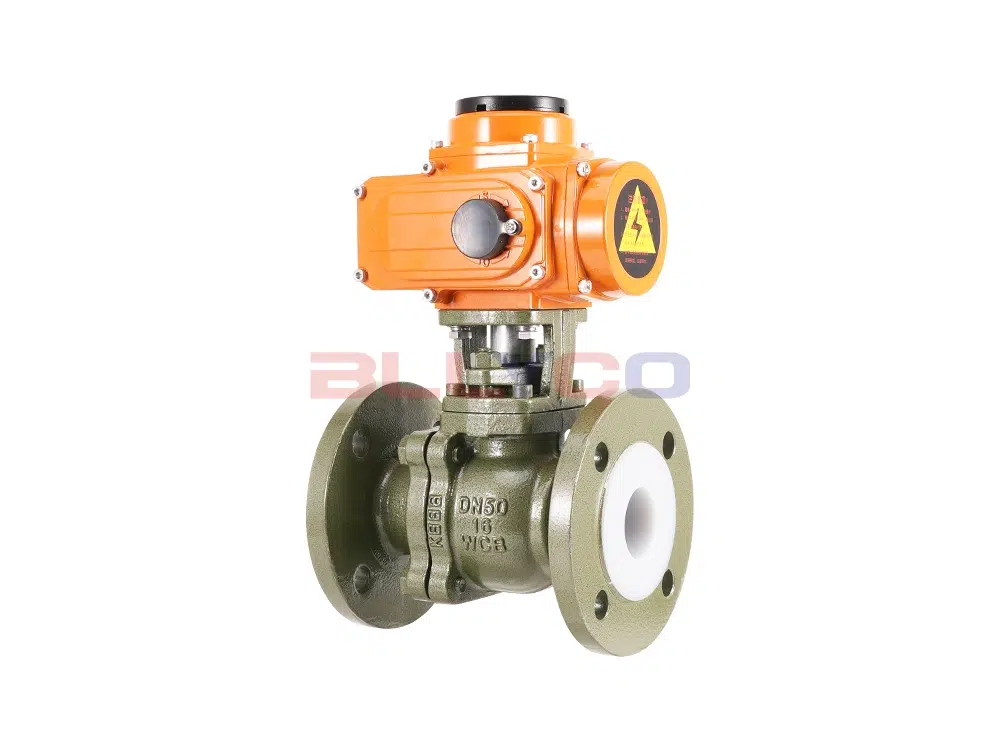
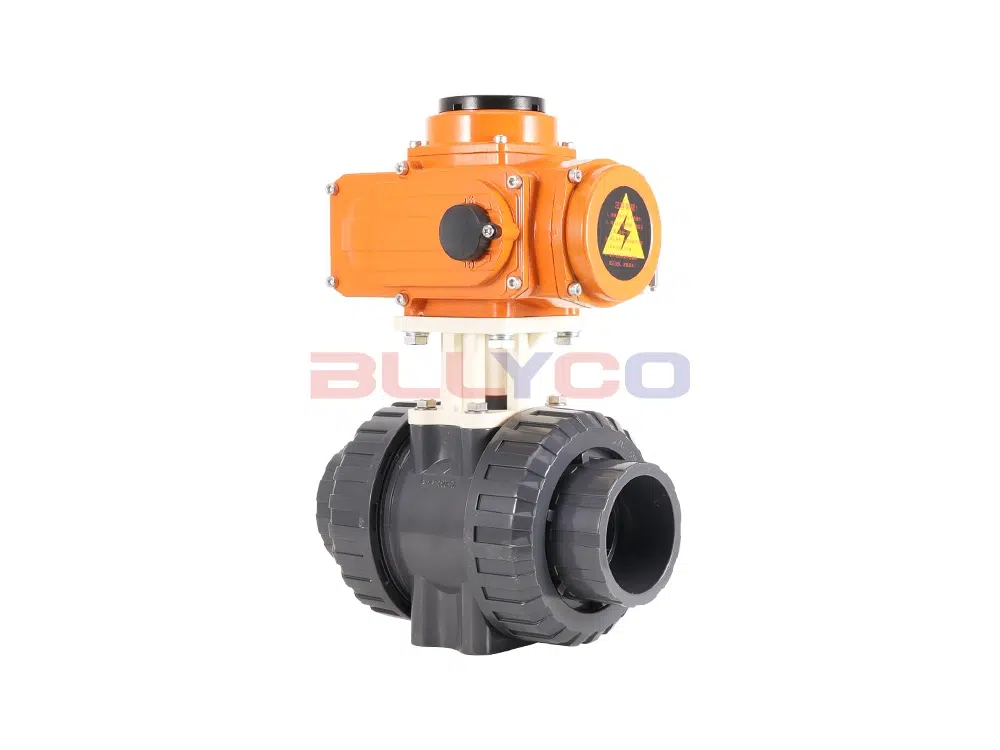
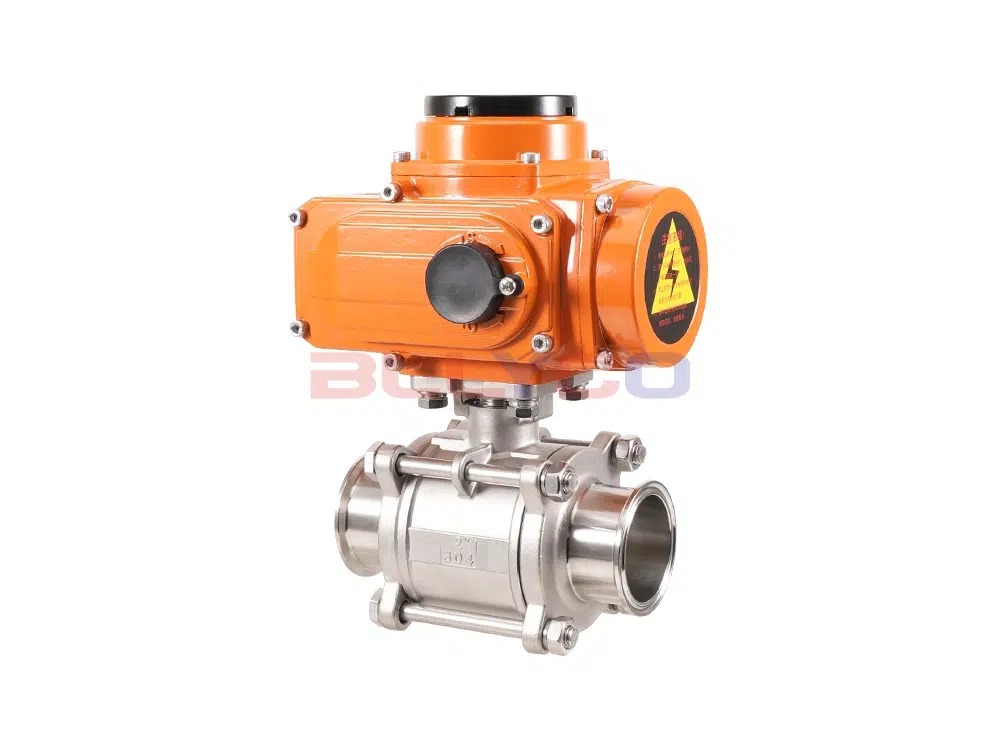
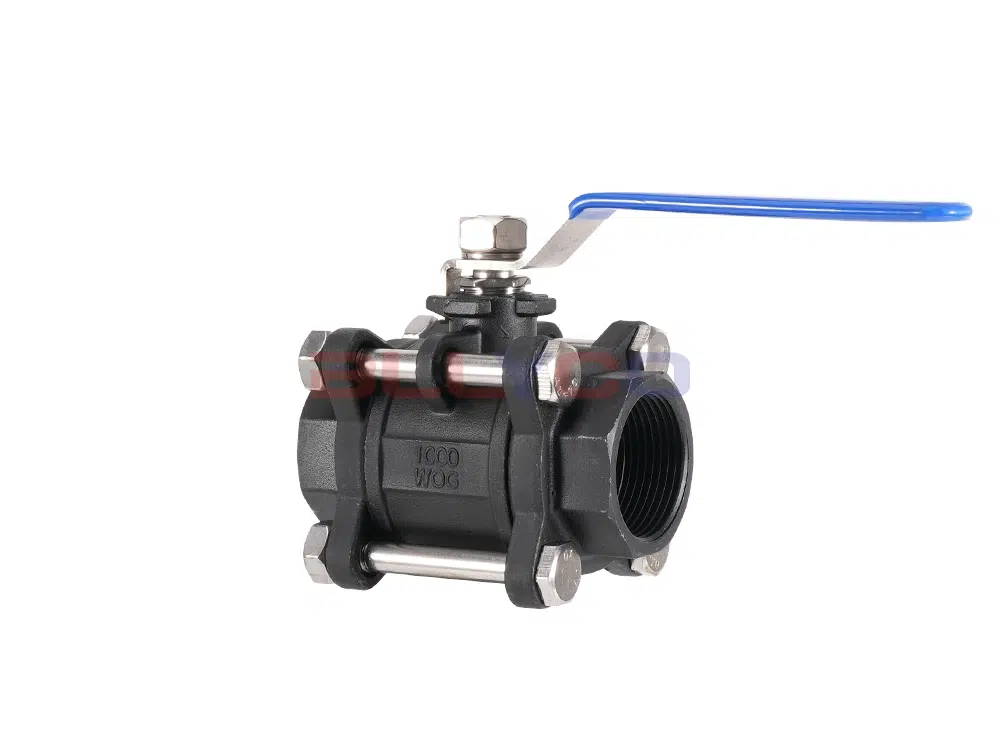
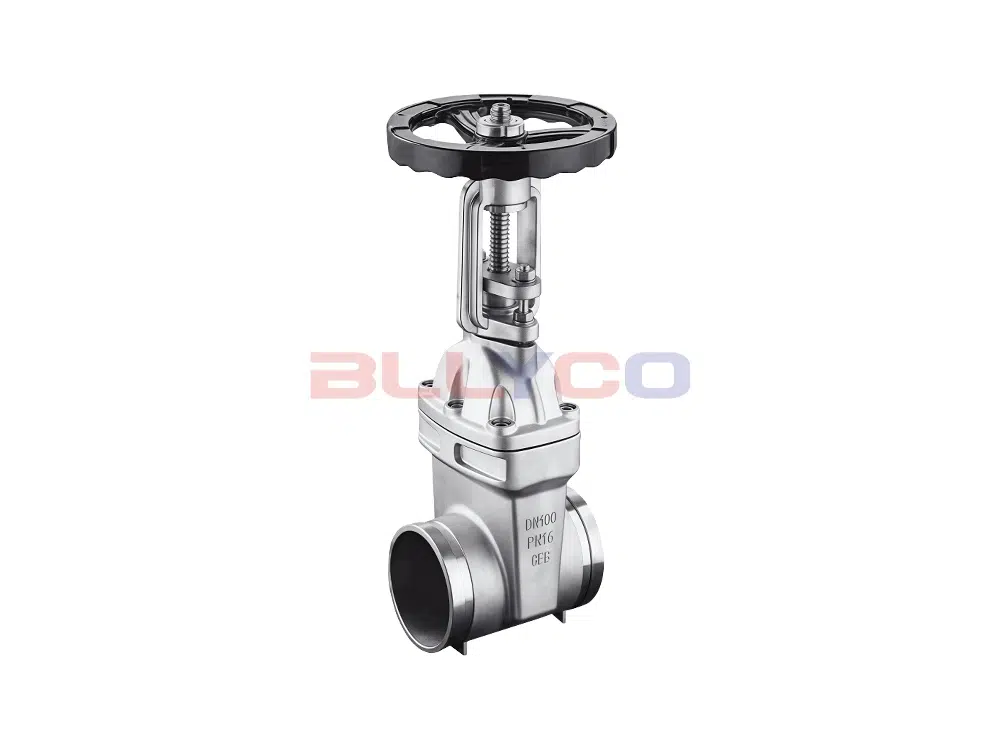
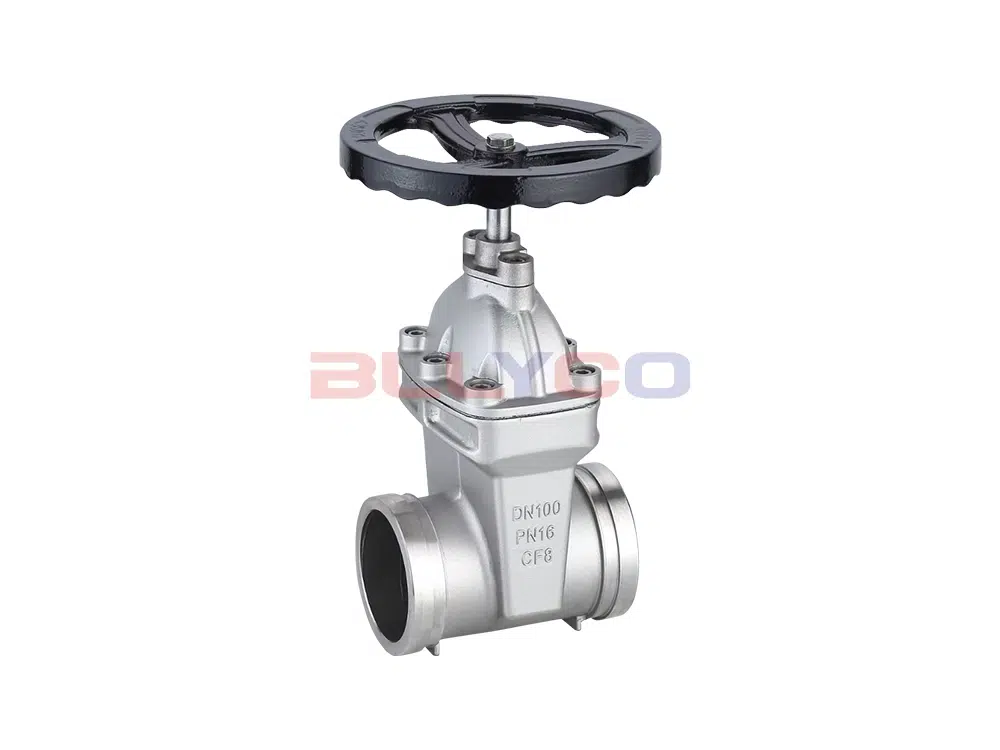
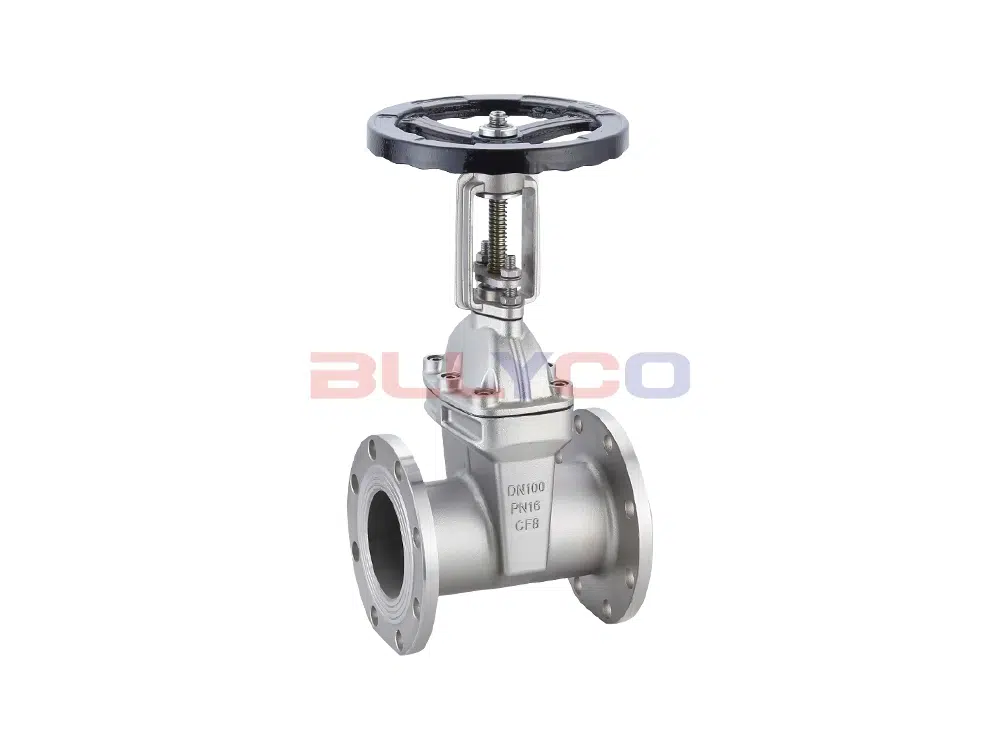
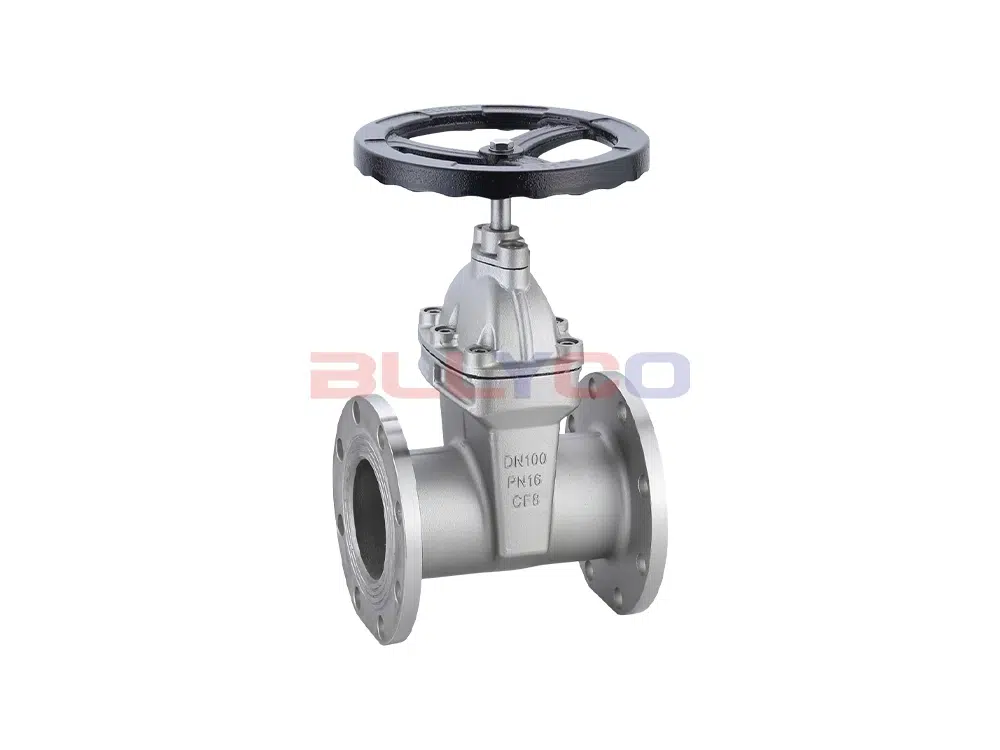
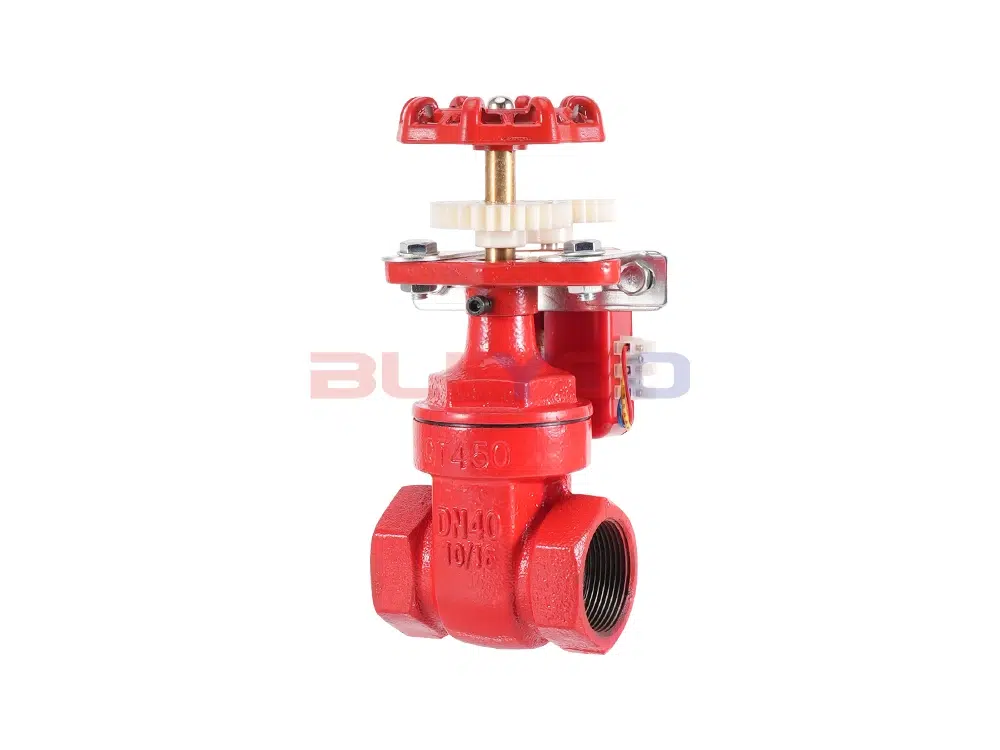
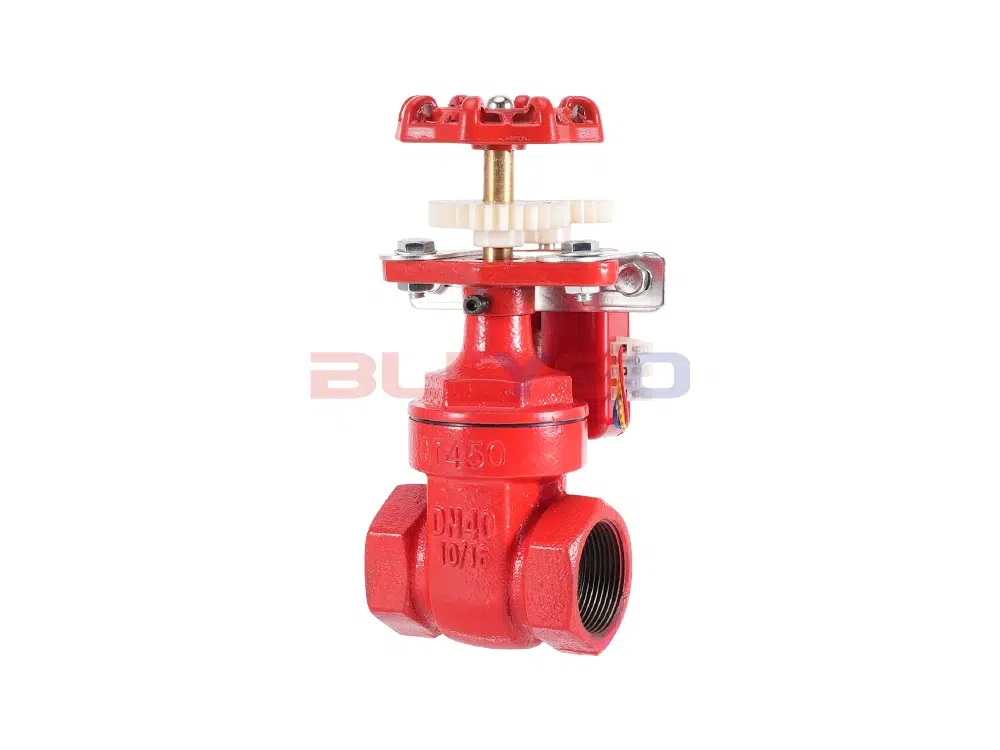
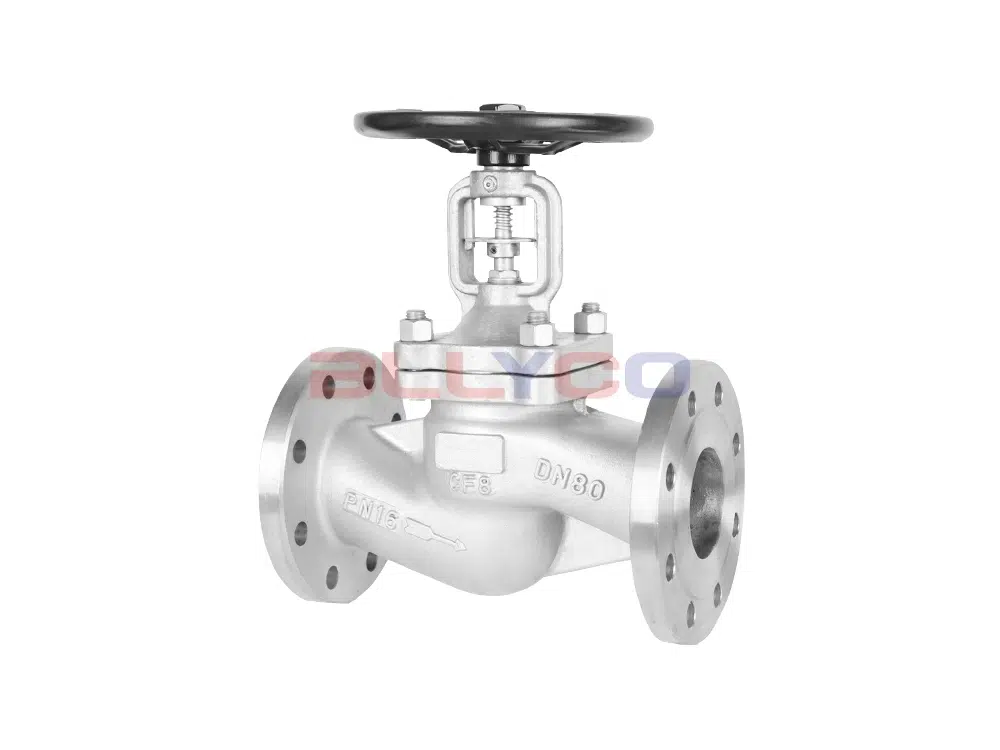
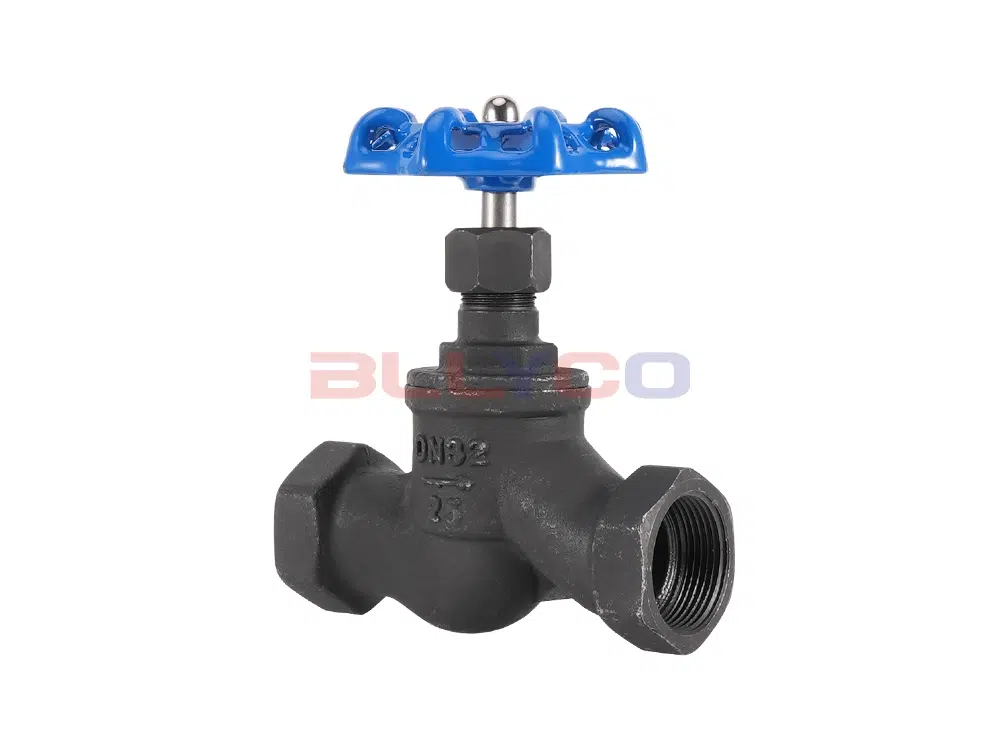
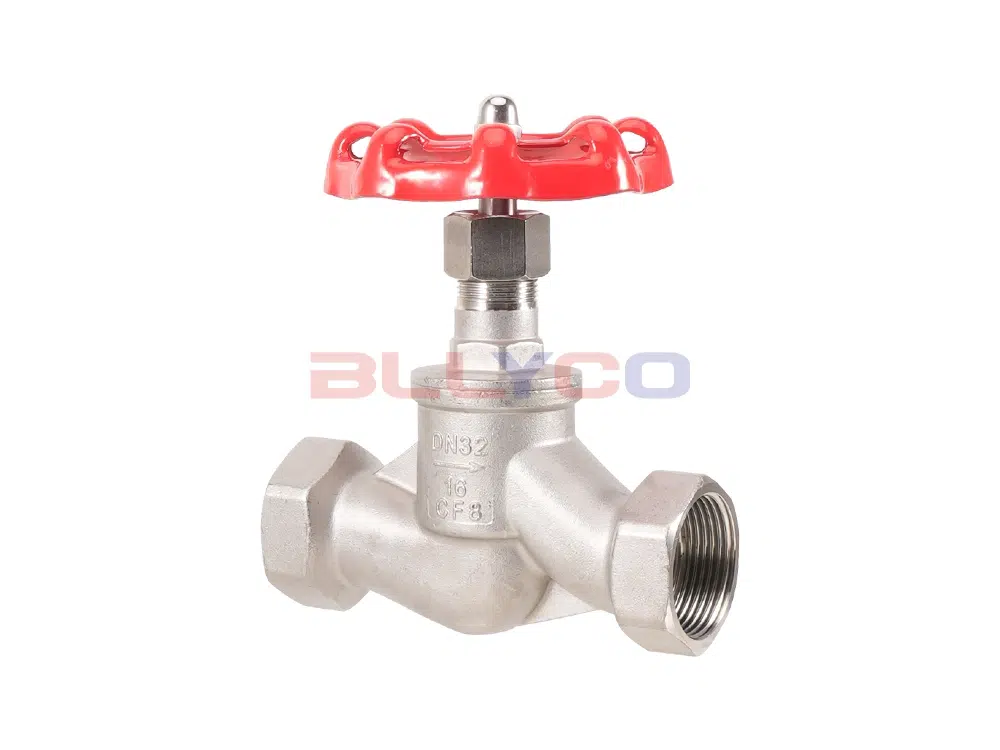
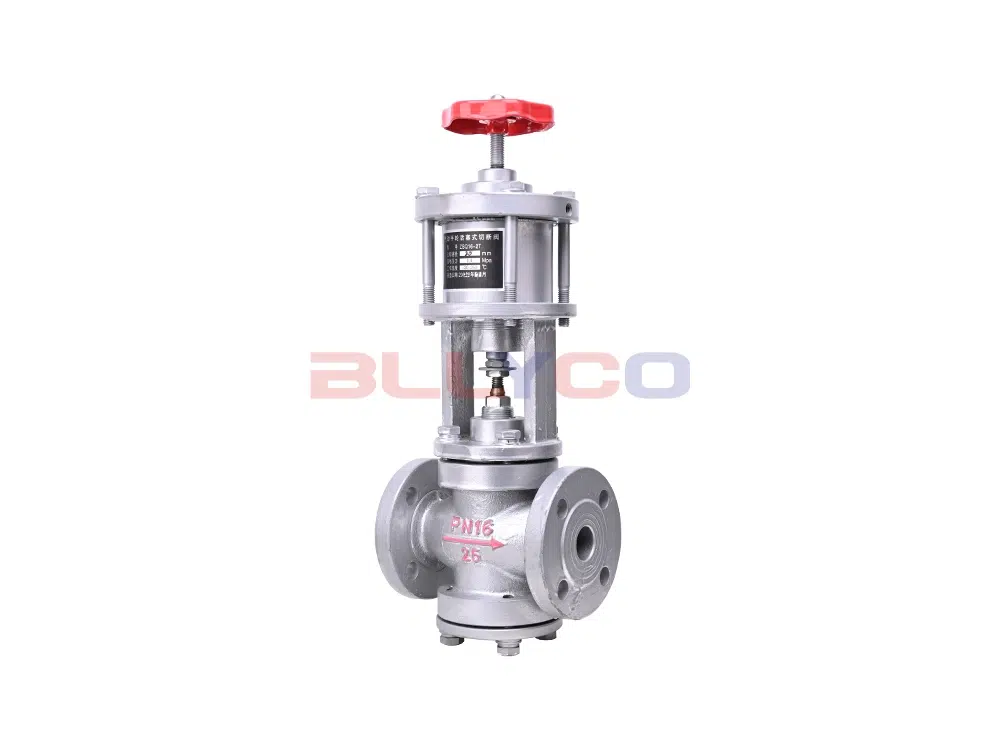
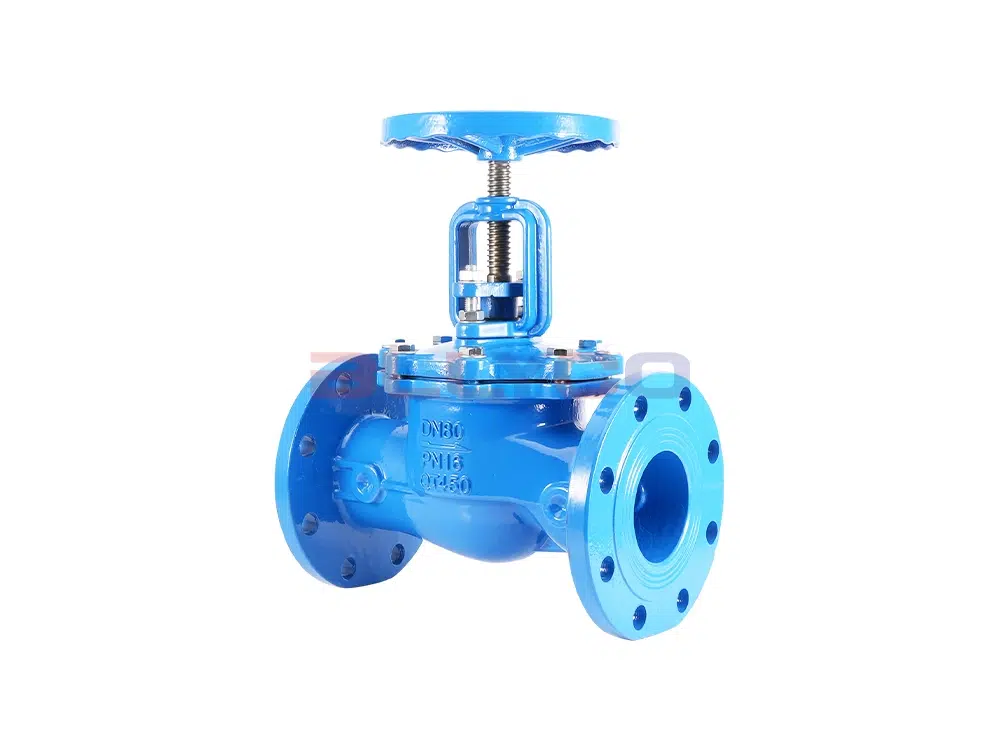
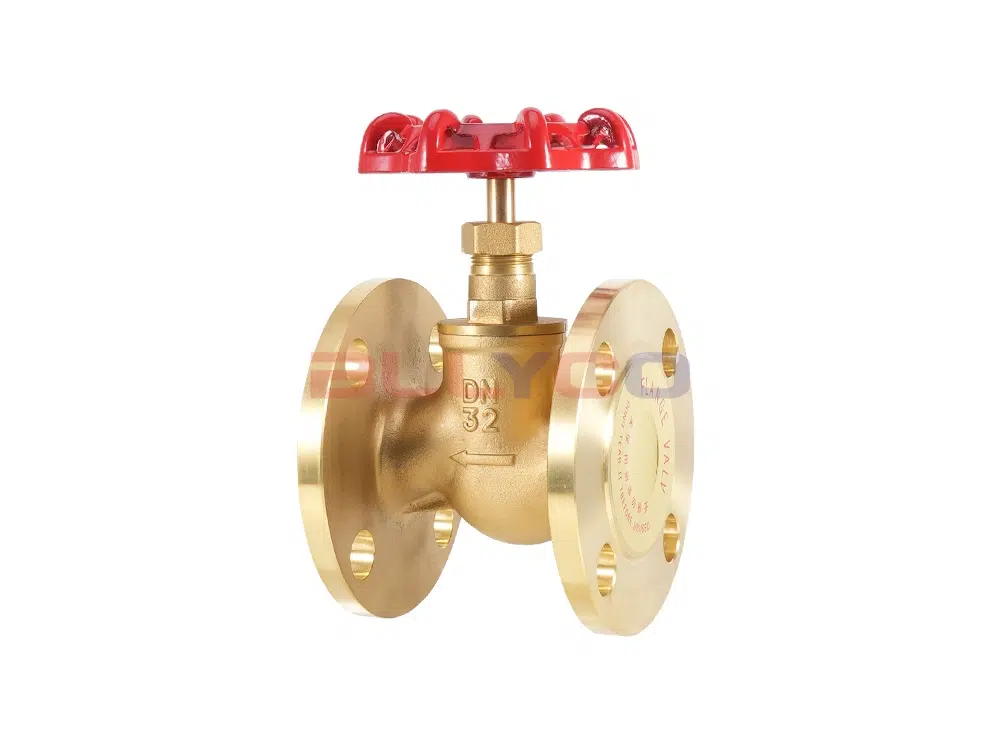
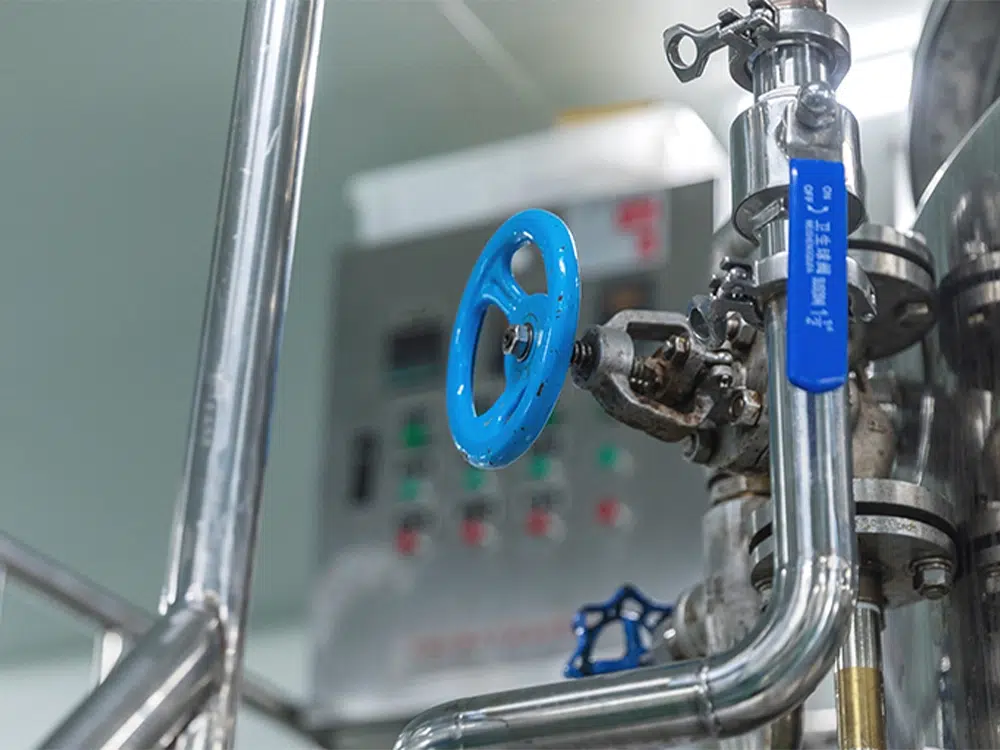
- For normal operation, it is necessary to open the inlet and outlet valves and close the drain and bypass valves.
- Periodically discharge sand and remove impurities based on the sand content in the source water. During discharge, open the drain valve until clear water flows out. This process does not affect normal system water usage.
- After completing the blowdown, close the blowdown valve.
- If the sand discharge pressure is insufficient, close the valve at the outlet.
Product Parameters
Product Model | XLCSQ-16C |
Valve body material | WCB Carbon Steel |
Desanding Diameter | >0.1mm |
turbidity of incoming water | ≤320NTU |
turbidity of effluent | ≤10NTU |
head loss | <0.028Mpa |
influent pressure | 0.2-1.2Mpa |
Applicable temperature | ≤100°C |
Product Size Reference

Nominal Diameter | Treatment capacity (T/H) | Average Desanding Rate (%) | Ho (mm) | Diameter D (mm) | Total height H (mm) | Outfall d (mm) | δ (mm) |
DN40 | / | / | / | 200 | 820 | / | / |
DN50 | 7-11 | >94 | 150 | 200 | 820 | 25 | 5 |
DN65 | / | / | / | 200 | 820 | / | / |
DN80 | 10-30 | >94 | 180 | 250 | 1000 | 32 | 5 |
DN100 | 30-70 | >94 | 250 | 300 | 1300 | 40 | 5 |
DN125 | 70-100 | >92 | 300 | 400 | 1600 | 50 | 5 |
DN150 | 100-150 | >92 | 350 | 450 | 1800 | 80 | 5 |
DN200 | 150-200 | >92 | 400 | 500 | 2050 | 80 | 5 |
DN250 | 200-350 | >92 | 450 | 600 | 2200 | 100 | 6 |
DN300 | 350-500 | >92 | 500 | 700 | 2400 | 125 | 8 |