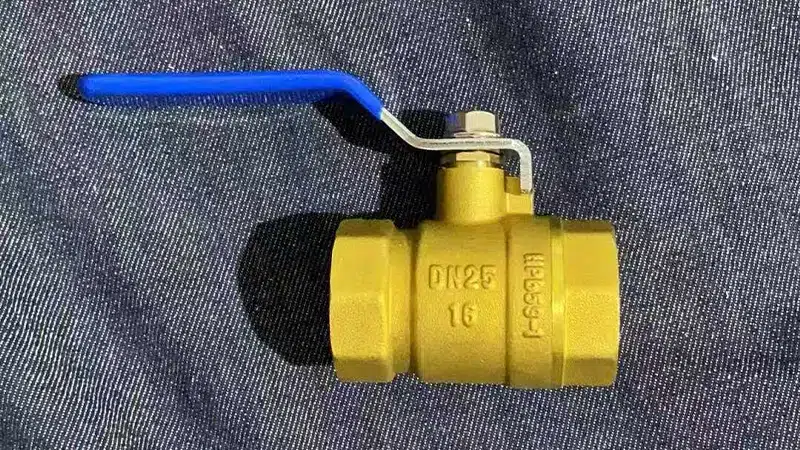










Analysis of the difference between copper gate valve and copper globe valve: choose the right valve for you is crucial
Date: 2026-01-10 Categories: Valve Knowledge Views: 1175
Excerpt:
The selection of copper gate valves and copper globe valves is particularly critical in piping systems, as each possesses distinct characteristics and application scenarios. Understanding the differences between these two types enables you to make more informed decisions in practical applications, ensuring safe and efficient system operation.
Table of Contents[Hide]
- I. Copper gate valve features and working principle
- II. Copper shut-off valve features and working principle
- III. Comparative analysis of copper gate valve and copper globe valve
- IV. How to choose the right valve
- V. Application Scenarios of Copper Gate Valve and Copper Globe Valve
- VI. Summary and recommendations for selection
Copper gate valves and copper globe valves are two common types of valves in the piping system, although they can control the flow of fluids, but their respective working principles and scope of application have significant differences. In practice, the correct choice of the right valve, can effectively enhance the safety and service life of the piping system. Copper gate valve and copper globe valve in the end what is the difference? In the choice and how to judge? This article will reveal for you one by one.
I. Copper gate valve features and working principle
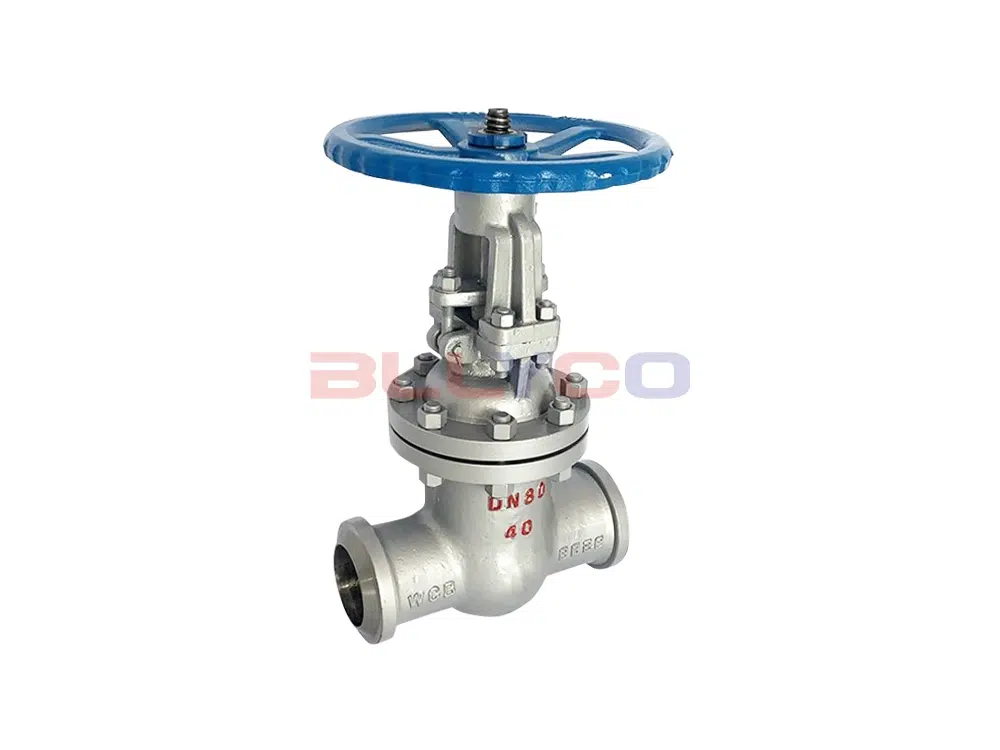
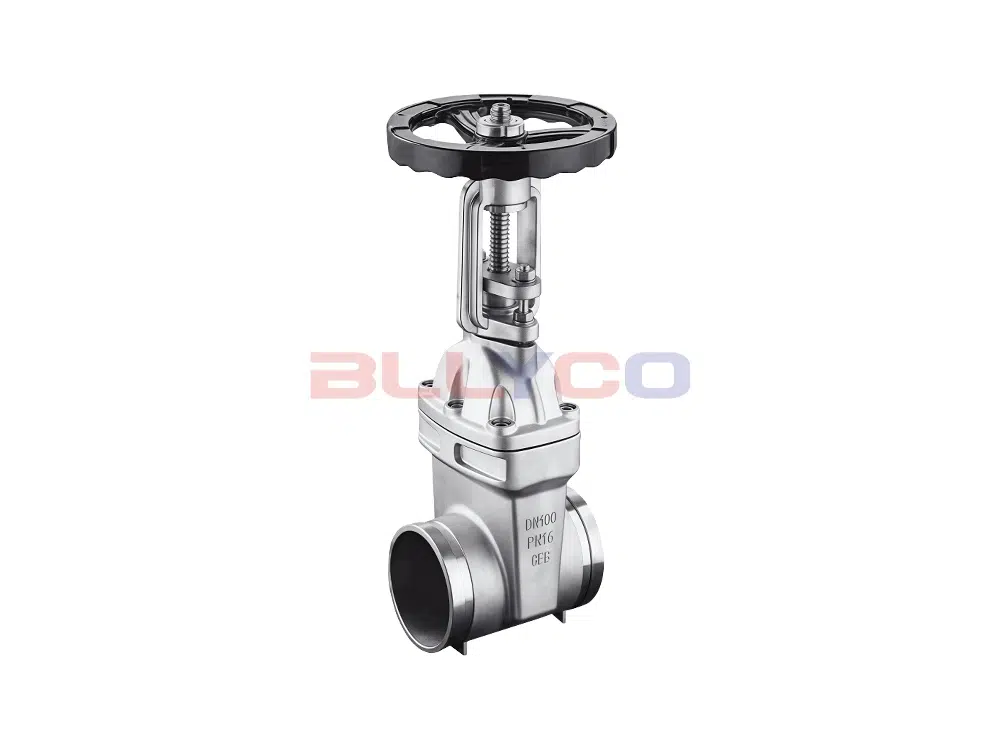
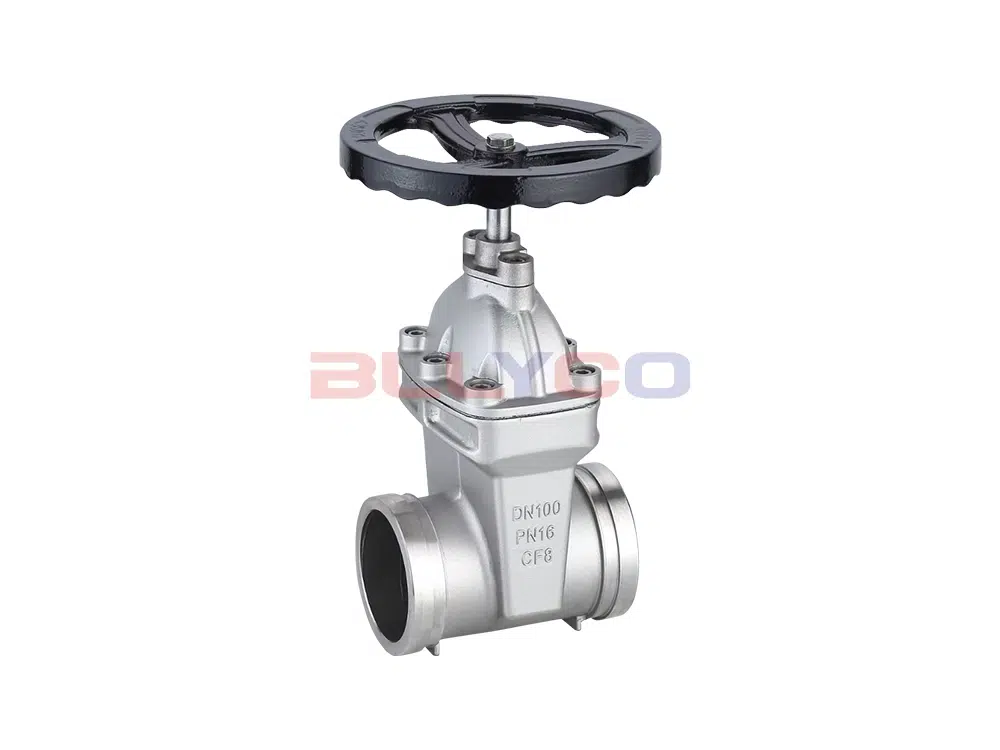
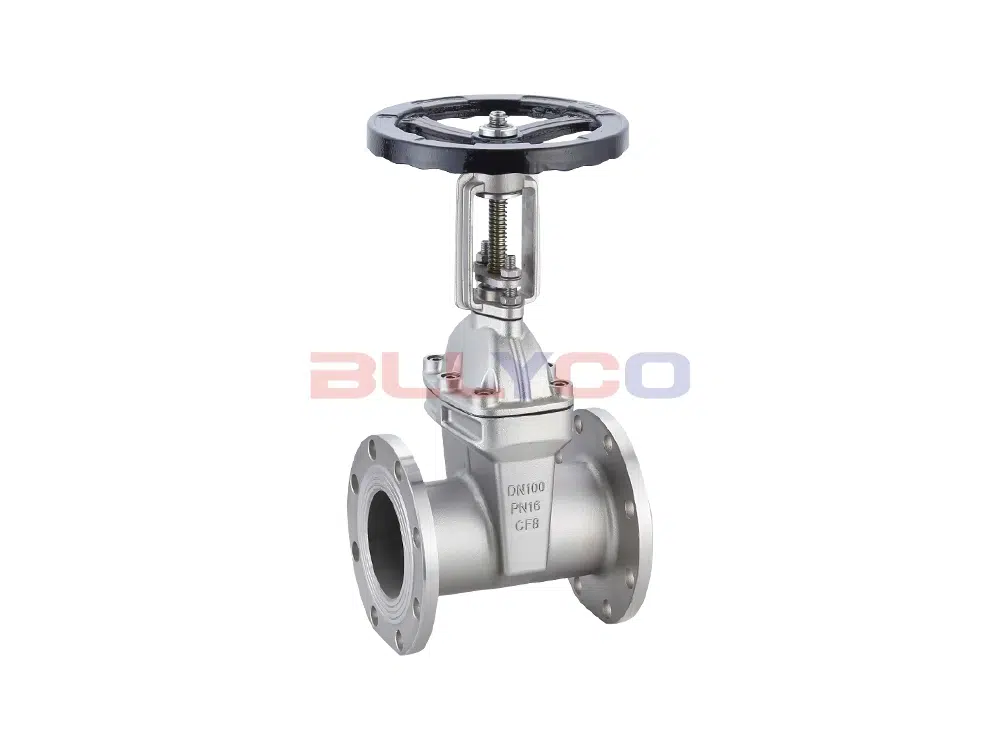
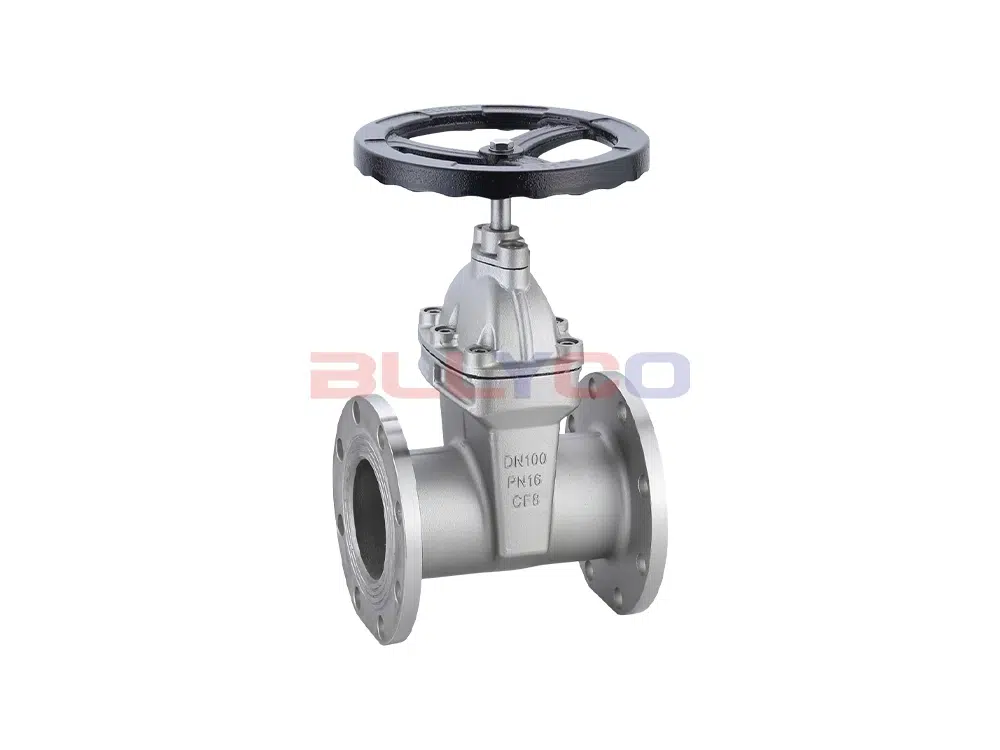
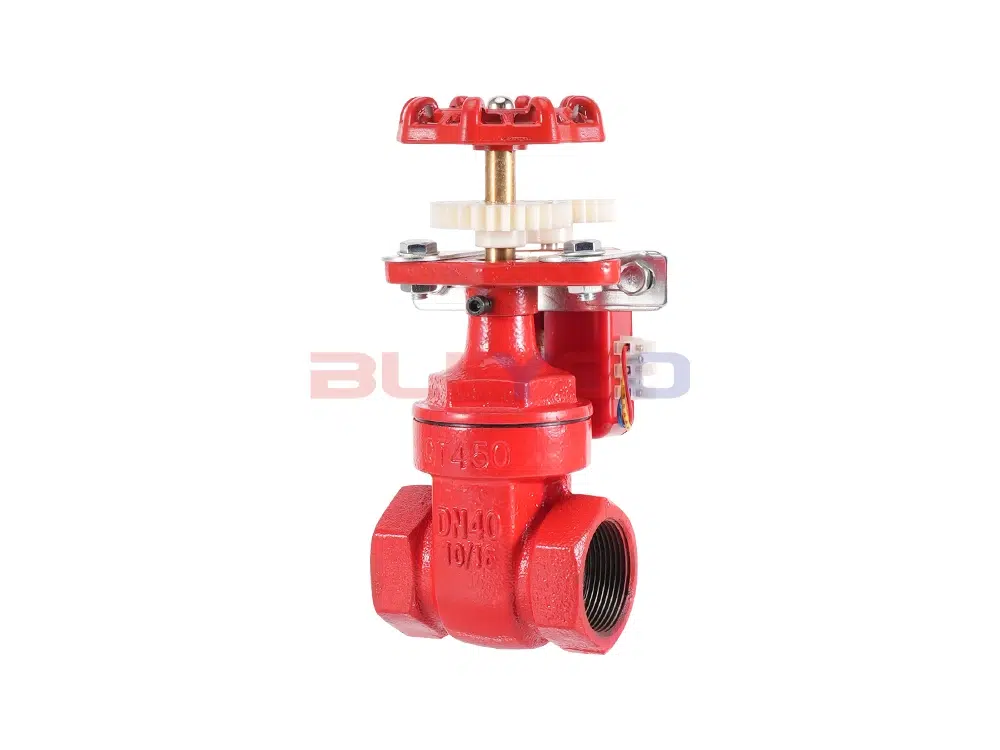
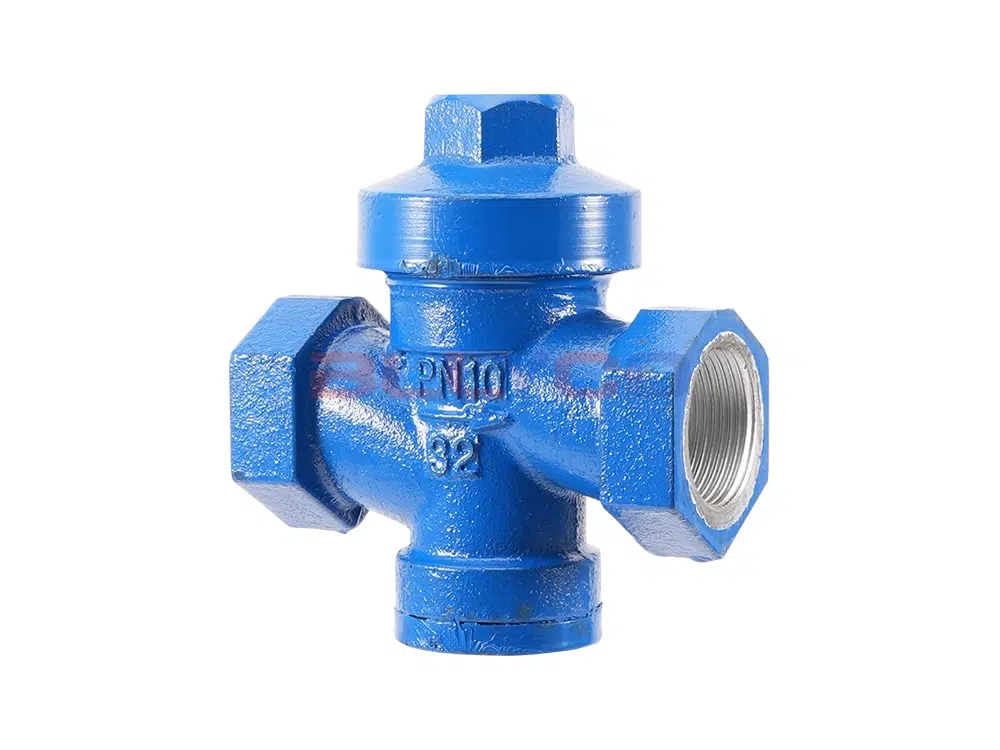
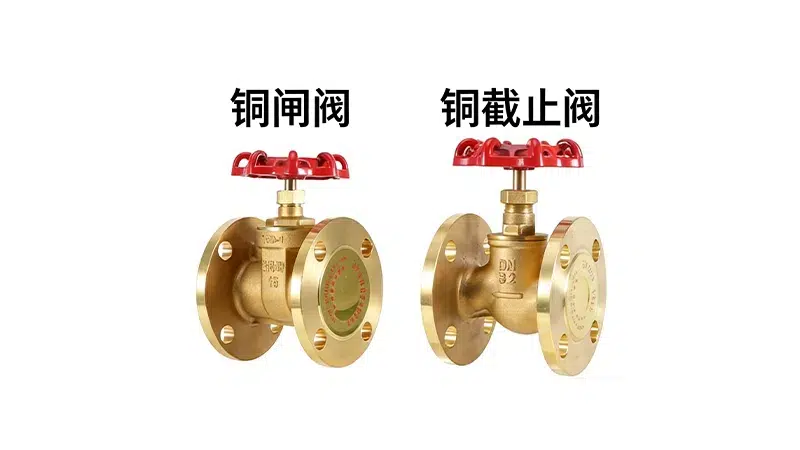
Copper gate valves, also known as copper gate valves, are primarily used to control the flow of fluids within pipelines. Their operating principle is relatively straightforward: the valve body is raised or lowered to open or close the pipeline, with the gate plate moving vertically relative to the fluid flow direction. When the gate is fully open, fluid flows freely through the pipeline, maintaining unobstructed passage. When fully closed, fluid cannot pass, completely isolating the pipeline. Due to the gate's structural design, copper gate valves exhibit low fluid resistance and are suitable for fully open or fully closed operations.

Copper gate valves are commonly used in water supply, gas supply, and heating systems, providing rapid and complete shut-off functionality. The copper material grants these valves high corrosion resistance and wear resistance, enabling them to withstand diverse operating conditions. They are particularly prevalent in residential and small-scale industrial piping systems.
Advantages of Brass Gate Valves
- Strong corrosion resistance: copper has excellent corrosion resistance, especially for water systems or fluids containing corrosive substances.
- Simple structure, easy to operate: Copper gate valves feature a straightforward design, allowing for quick and effortless switching, with minimal maintenance required.
- Long service life: Copper's wear resistance enables copper gate valves to operate stably for extended periods, reducing costs associated with frequent replacements.
Disadvantages of Brass Gate Valves
- Limited flow regulation: Copper gate valves have relatively weak regulating capabilities and are better suited for fully open or fully closed operations. They are not suitable for applications requiring precise flow regulation.
- Bulky size: Copper gate valves are relatively large and cumbersome, making them potentially less than ideal for piping systems requiring compact space.
II. Copper shut-off valve features and working principle
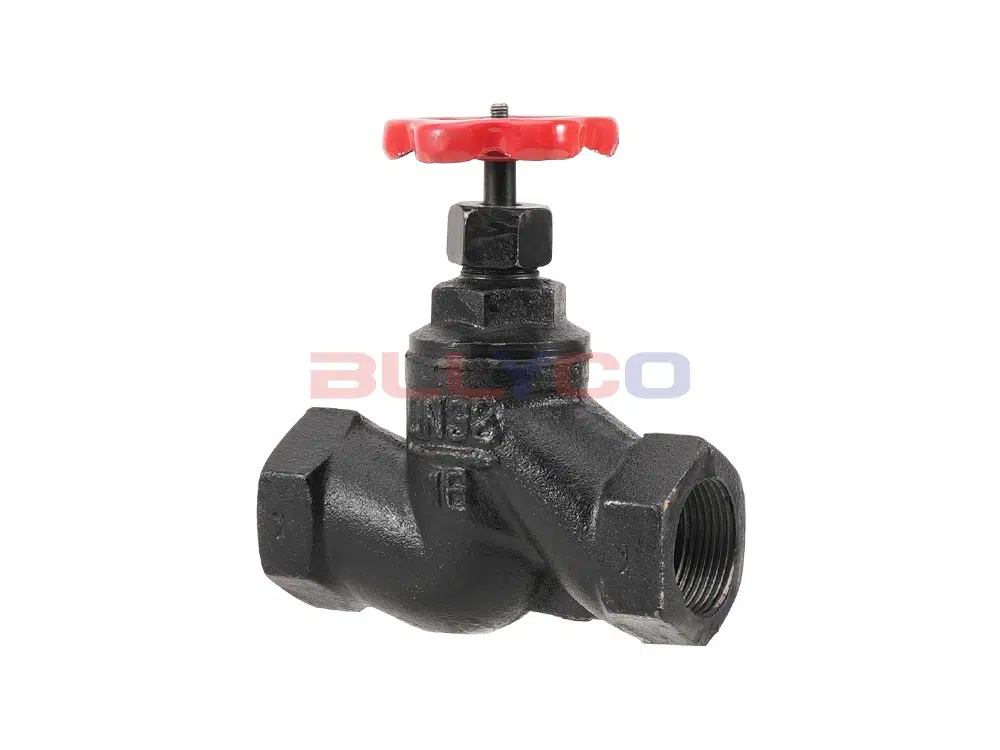
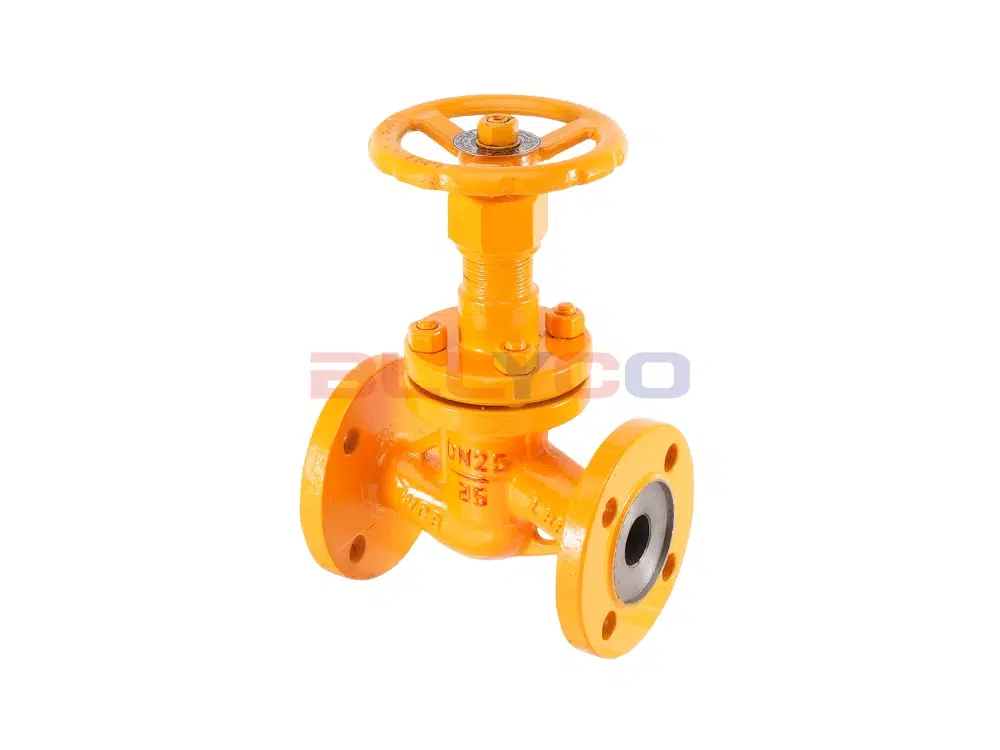
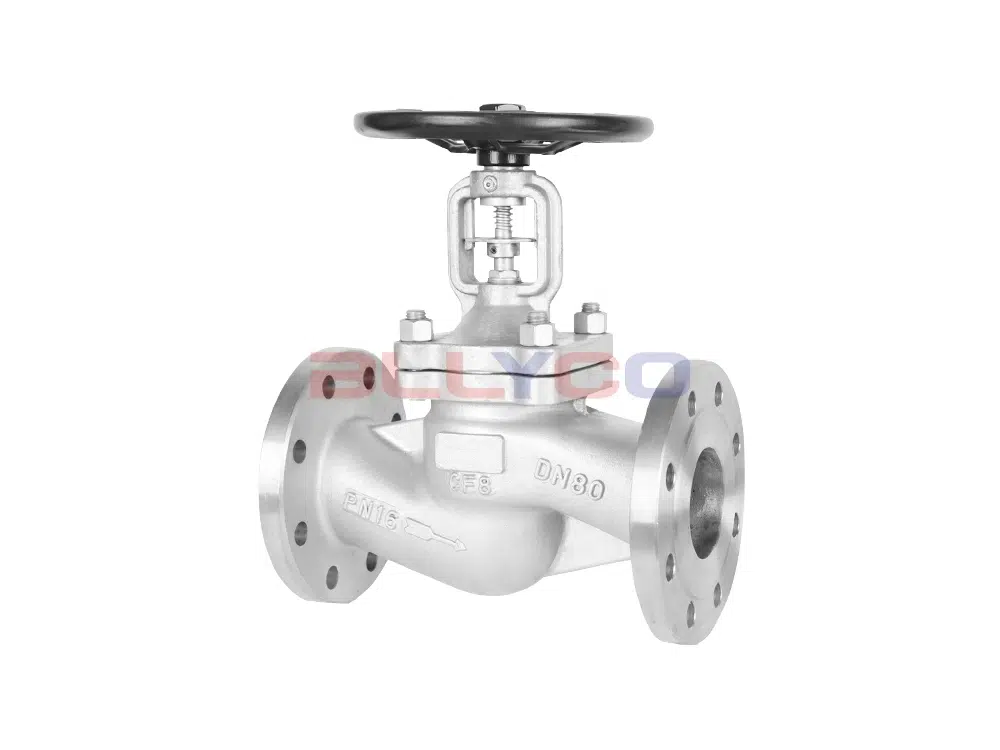
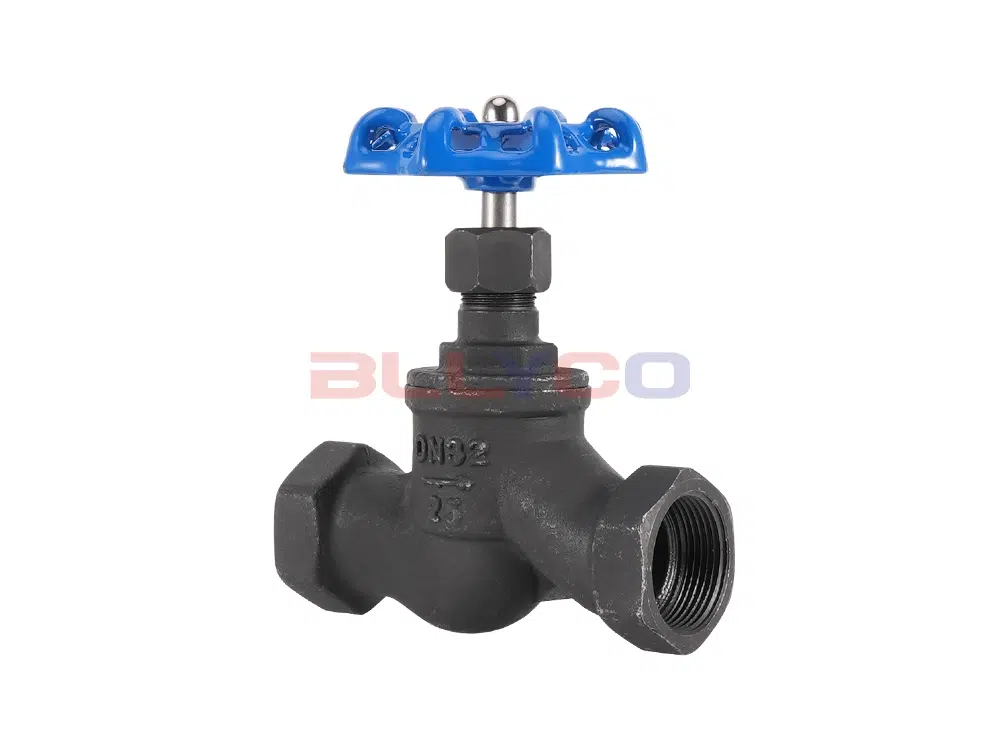
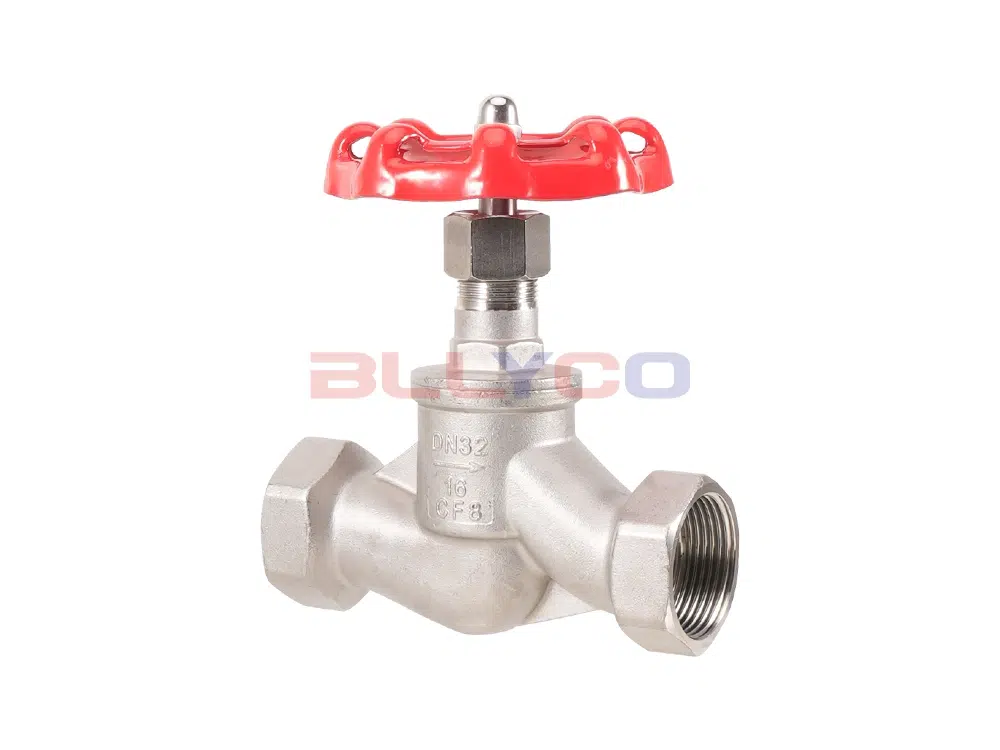
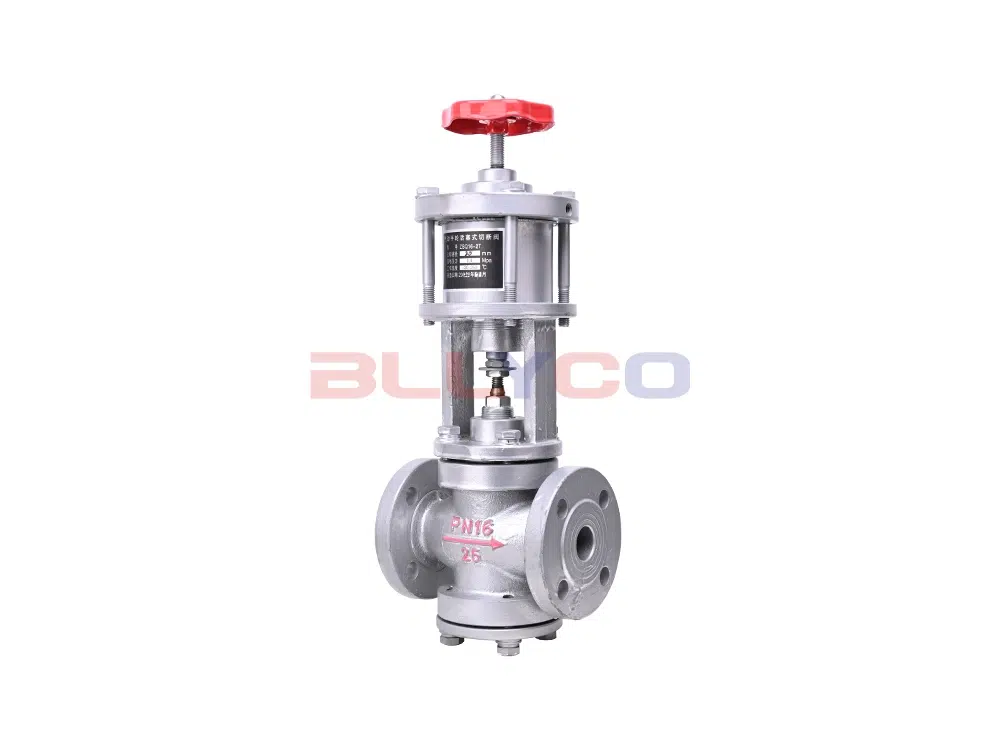
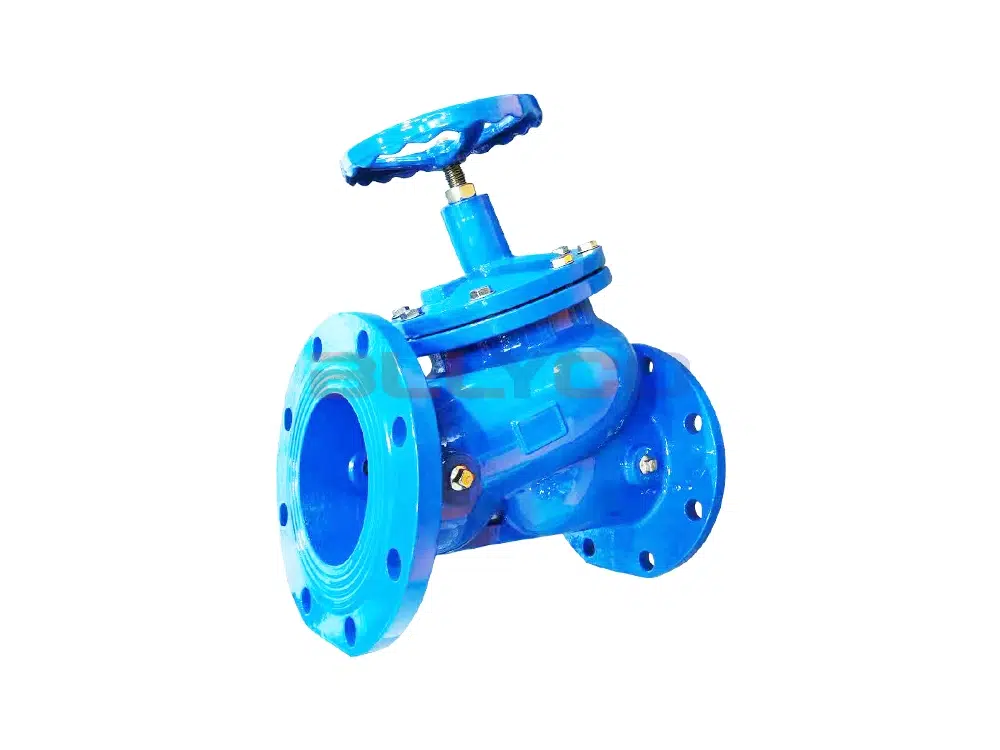
The primary function of a copper globe valve is to regulate fluid flow, operating on a principle significantly different from that of a copper gate valve. Copper globe valves employ a design where the valve seat and disc achieve sealing contact. The disc rotates vertically via a spindle, progressively closing or opening the flow passage to adjust fluid flow rate. Unlike copper gate valves, copper globe valves enable precise flow control, effectively accommodating diverse flow variation requirements.

Copper globe valves, renowned for their excellent sealing properties, are well-suited for applications requiring precise flow regulation. They are widely used in piping systems, particularly for controlling fluids such as steam, oil and gas, and cooling water. The design of copper globe valves not only delivers superior sealing performance but also ensures stable flow characteristics.
Advantages of Brass Globe Valves
- Precise Flow Control: Copper globe valves enable fine-tuned flow adjustment according to requirements, making them suitable for applications demanding precise control of fluid flow rates.
- Excellent sealing performance: Copper globe valves typically offer superior sealing capabilities, ensuring no fluid leakage in piping systems.
- Flexible operation: the valve position can be adjusted by rotating the handwheel, the operation is more convenient.
Disadvantages of Copper Globe Valves
- Longer opening time: Opening and closing copper globe valves requires turning the handwheel multiple times, resulting in slower operation compared to the rapid opening of copper gate valves.
- Complex structure: Due to the need for additional components to regulate flow, copper globe valves feature a more intricate design compared to copper gate valves and may require greater maintenance.
III. Comparative analysis of copper gate valve and copper globe valve
Copper gate valves and copper globe valves differ in their respective designs and functions, giving each distinct advantages and limitations in practical applications. Understanding these differences is crucial when selecting between the two valve types. Below, we compare them across several key aspects to help you make a more informed choice.

Function and Purpose
- Bronze gate valves are primarily used for on/off control of pipelines, suitable for fully open or fully closed operations, and cannot precisely regulate flow.
- Bronze globe valves place greater emphasis on flow regulation and are suitable for applications requiring precise flow control.
Opening Method
- Bronze gate valves open rapidly, making them suitable for emergency shut-off applications.
- The opening and closing of copper globe valves is relatively slow, requiring adjustment of the valve disc by rotating the handwheel.
Sealing
- Copper globe valves generally offer excellent sealing performance, particularly in high-pressure environments.
- Bronze gate valves have relatively weak sealing properties and are suitable for low-pressure and medium-flow applications.
Durability and Maintenance
- Bronze gate valves are suitable for long-term use due to their simple structure and low maintenance costs.
- Bronze globe valves feature a relatively complex structure requiring regular inspection and maintenance, yet they deliver long-lasting flow control precision.
IV. How to choose the right valve
Selecting the appropriate valve based on your requirements is crucial. If your piping system requires rapid opening and closing with minimal flow regulation, a copper gate valve is undoubtedly a good choice. However, if precise flow control within the pipeline is needed, or if the valve will be used in high-pressure or complex fluid environments, a copper globe valve is more suitable.
By understanding the characteristics of copper gate valves and copper globe valves, you can make the most suitable choice based on your actual application scenario, ensuring the long-term stable operation of your system.
When continuing the discussion on selecting between copper gate valves and copper globe valves, we also need to consider common scenarios encountered in practical applications and how different valves perform in these situations.
V. Application Scenarios of Copper Gate Valve and Copper Globe Valve
Home Water Supply System
In residential water supply systems, copper gate valves are commonly used for on/off control of the main water line. Since precise flow regulation isn't required, fully open or fully closed operation proves more convenient and efficient, making copper gate valves widely adopted in household plumbing. Particularly during plumbing repairs or emergency shutdowns, these valves swiftly interrupt water flow to prevent waste and damage.
Industrial Pipeline System
In industrial piping systems, copper globe valves are widely used in chemical, pharmaceutical, petroleum, and other industries requiring precise fluid flow control due to their ability to provide accurate flow regulation. These valves can flexibly adjust flow rates as needed to ensure the normal operation of various equipment, demonstrating particularly outstanding performance in high-pressure environments.
Heating System
Pipes in heating systems require precise flow regulation to ensure consistent temperatures across different zones. Copper globe valves in such systems provide accurate adjustment capabilities, guaranteeing stable hot water flow and thereby enhancing heating efficiency.
Fire Protection System
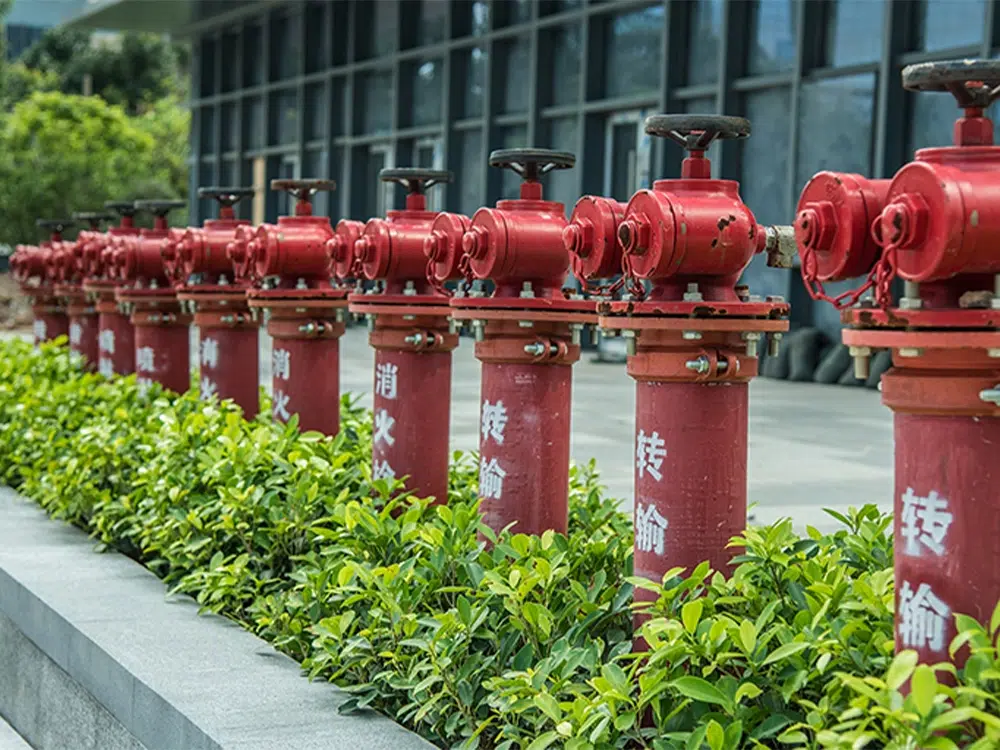
In fire protection systems, copper gate valves are typically used for emergency shutdown of water supply pipelines. Due to their rapid opening speed, these valves can swiftly cut off water flow, playing a critical role at fire scenes. Additionally, copper gate valves can be employed for flow regulation of firefighting water sources to meet varying demands.
VI. Summary and recommendations for selection
Bronze gate valves and bronze globe valves each possess distinct advantages and limitations. Selection should be based on the actual requirements of the piping system. If rapid on-off control is needed without flow regulation, bronze gate valves are the ideal choice. Conversely, if precise flow adjustment and guaranteed sealing are required, bronze globe valves are more suitable. Understanding the differences between these two valve types will help you better select the valve product that meets your specific needs, thereby enhancing the operational efficiency and safety of your piping system.
We hope this analysis provides you with a deeper understanding of copper gate valves and copper globe valves, enabling you to make an informed choice and ensure the efficient and reliable operation of your piping system.