








Types of Valves Commonly Used in Heating Plumbing

Date: 2025-07-11 Categories: Valve Knowledge Views: 4921

Excerpt:

In heating supply systems, the correct choice of valves is essential to ensure efficiency, temperature control and system stability. This article provides a brief overview of six commonly used valve types: temperature control valves (to automatically regulate room temperature), motorized valves (for remote control), globe valves (for flow regulation), solenoid valves (for quick response), three-way valves (for flow balancing) and pneumatic valves (for special environments). Each valve's features and applications are outlined to help engineers optimize their choices based on system size, functional requirements and user expectations to improve energy efficiency and comfort.

In a heating supply system, the correct selection of valves is extremely critical to ensure system efficiency and temperature control. Next, we will give you a brief overview of the types of valves that are typically used in heating piping.

1752204924 98a8bbdbff2dae3a4b7df9e6a6e5a50d

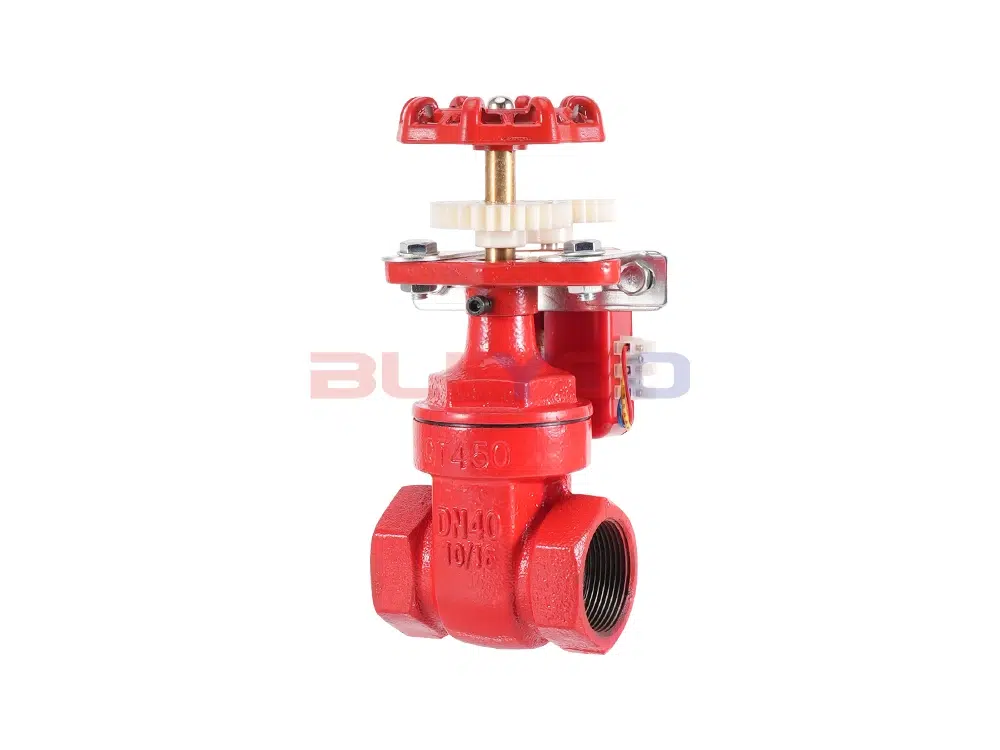
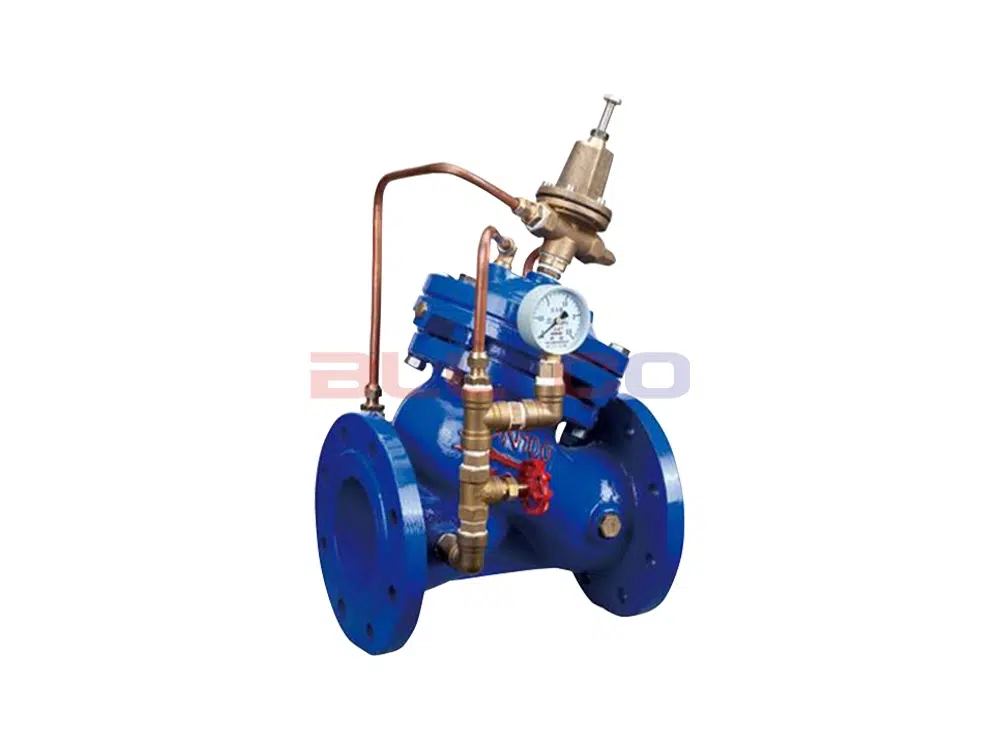
1.Temperature control valve

specificities

  • It can automatically adjust the heating water flow according to the change of indoor temperature, so as to realize the precise control of indoor temperature.

Applicable occasions

  • It is mainly used in indoor heating systems, aiming to create a cozy and comfortable room temperature environment for the occupants.

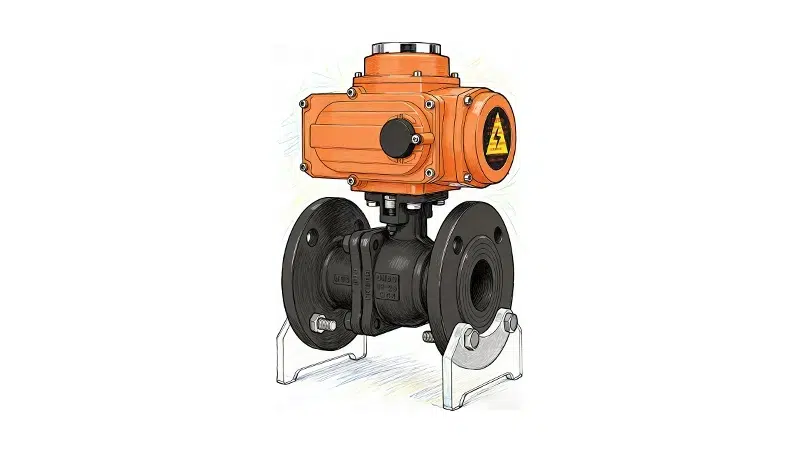
2.Motorized valve

specificities

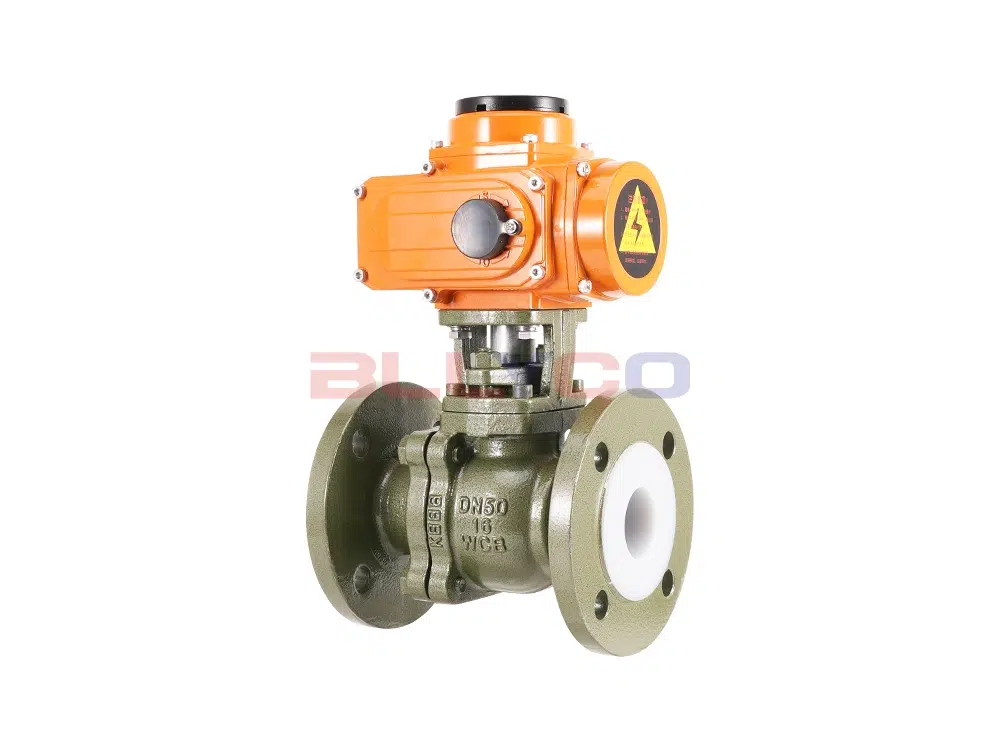
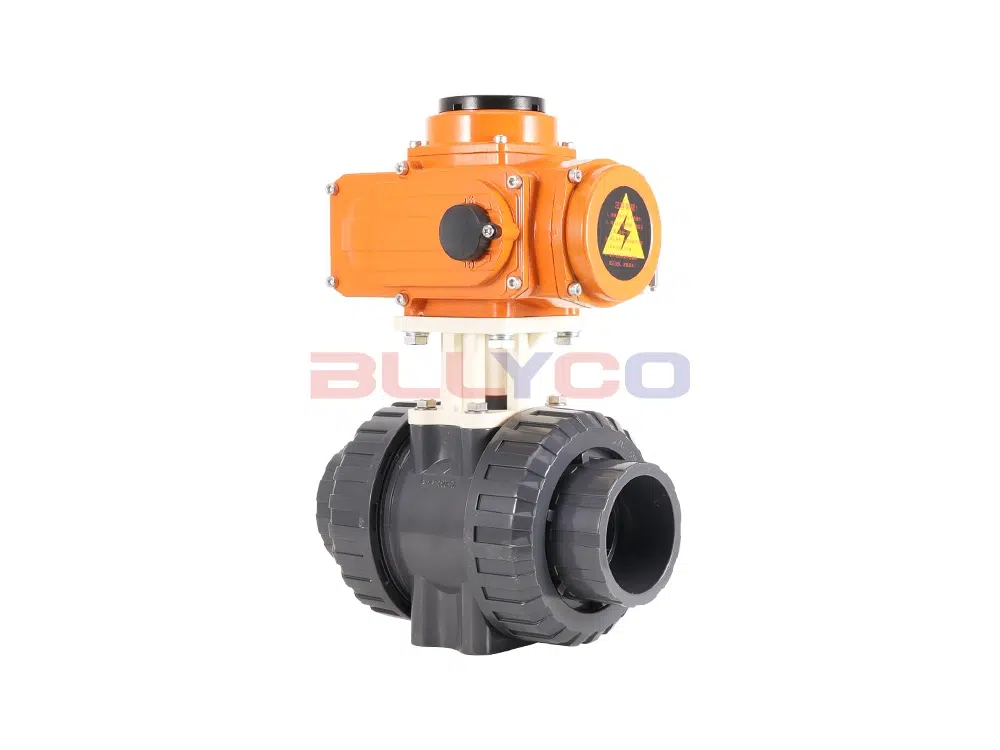
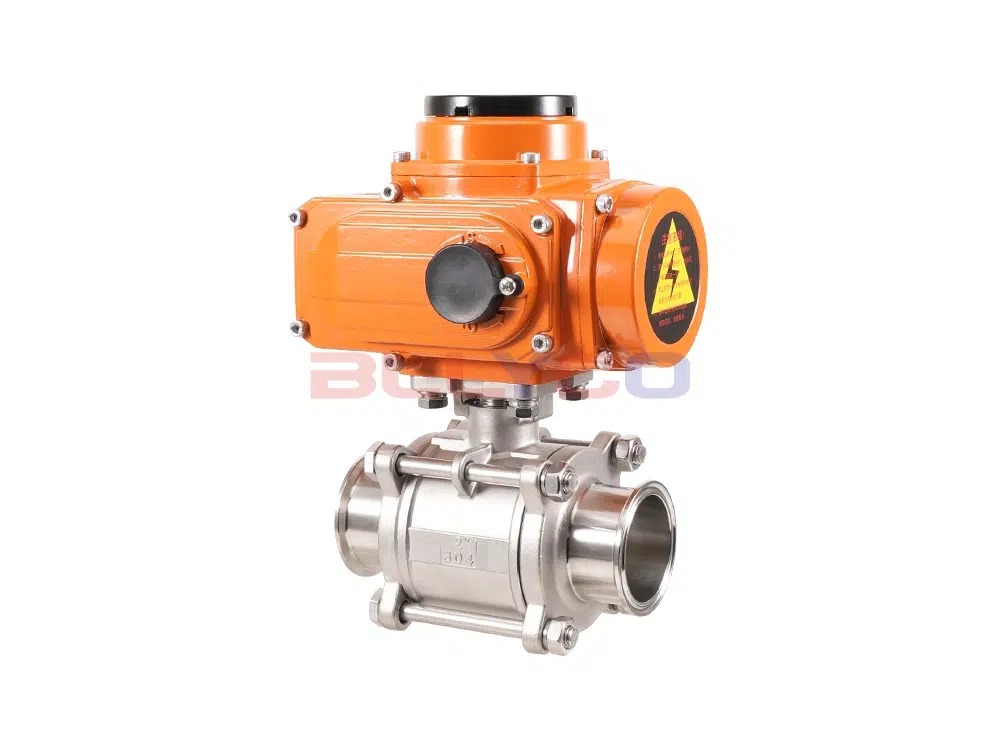
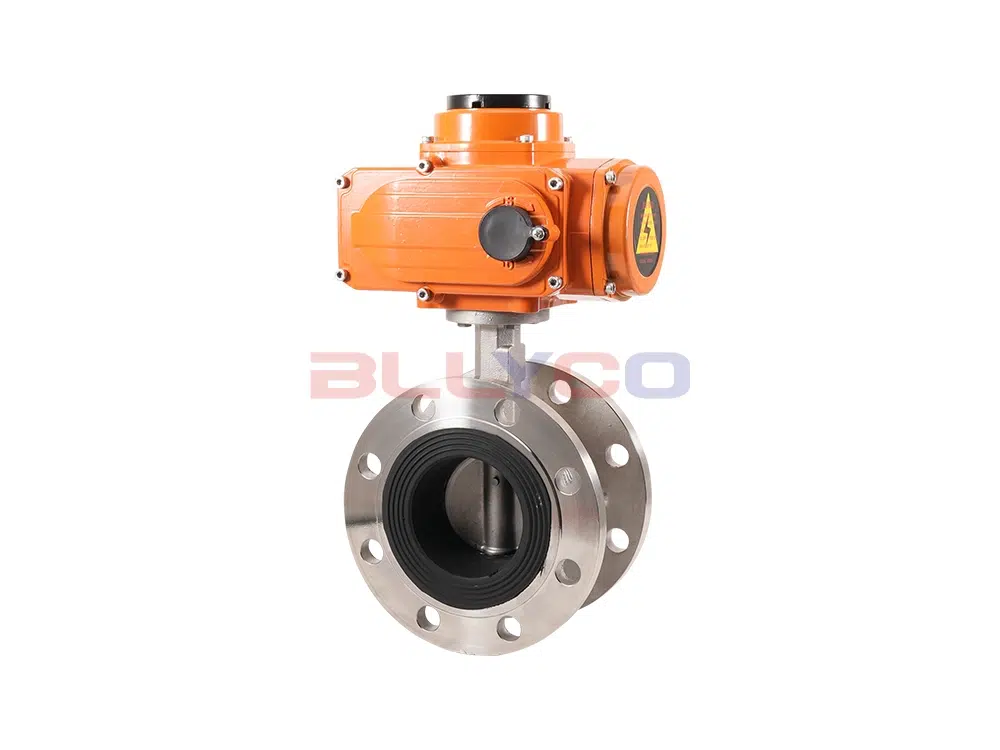
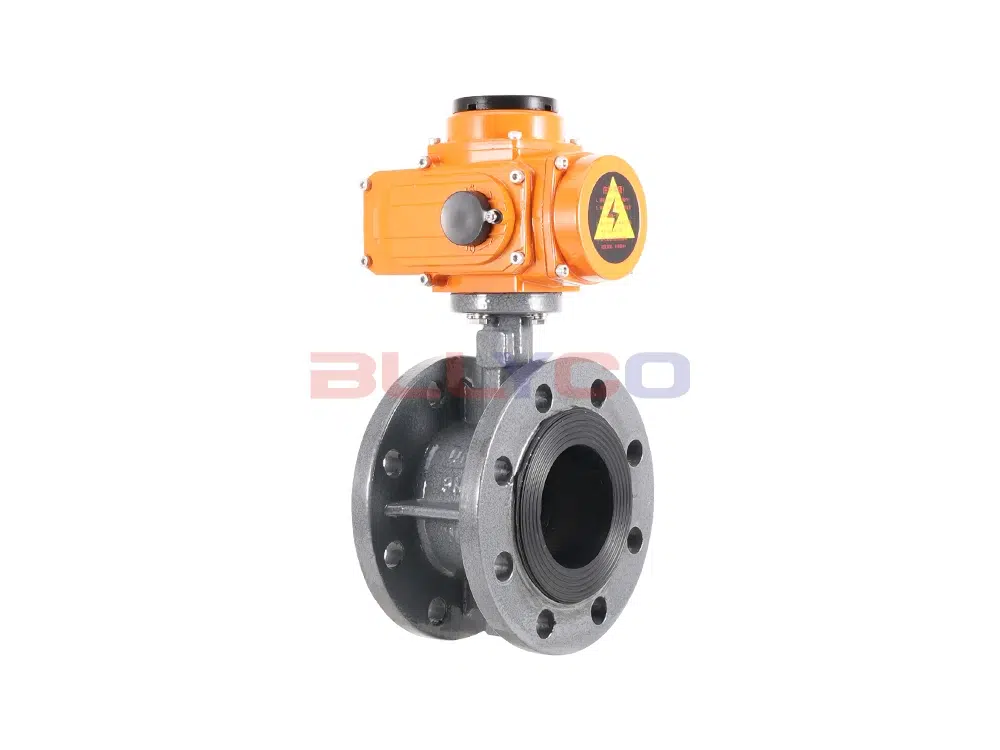
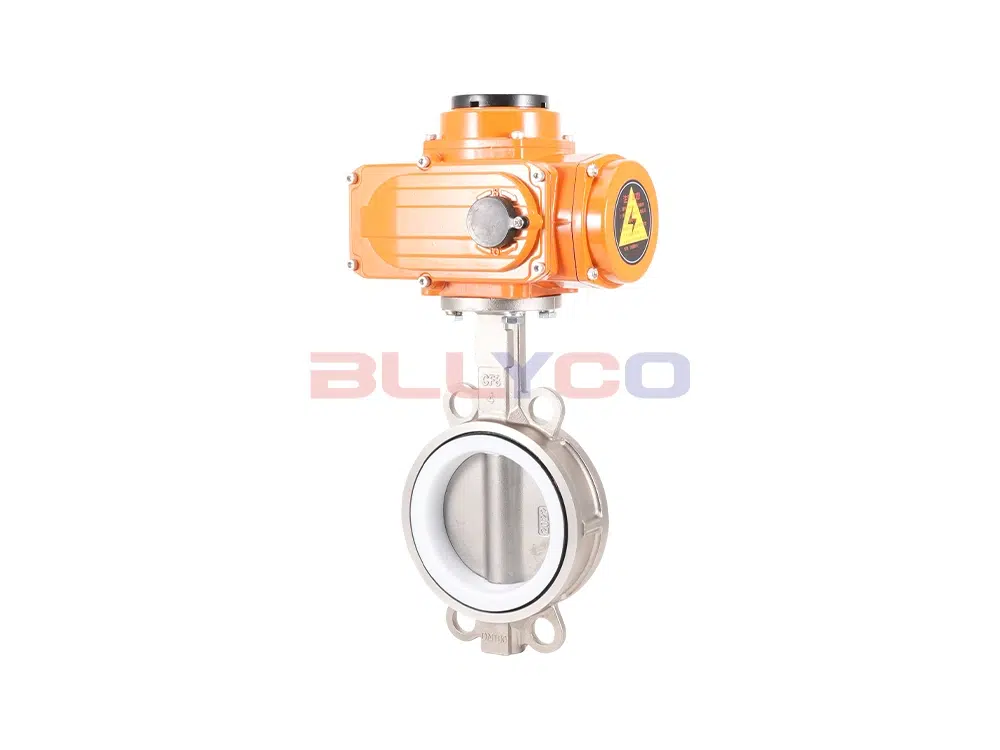
  • Remote control with the help of electric actuators greatly facilitates system integration.

Applicable occasions

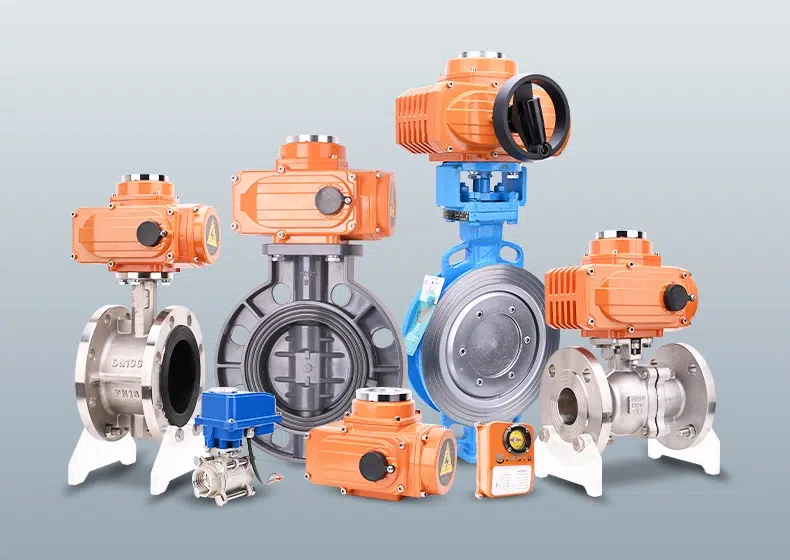
  • Widely used in intelligent heating systems, users can easily make remote adjustments with the help of intelligent control devices. Common types include electric butterfly valves and electric ball valves.

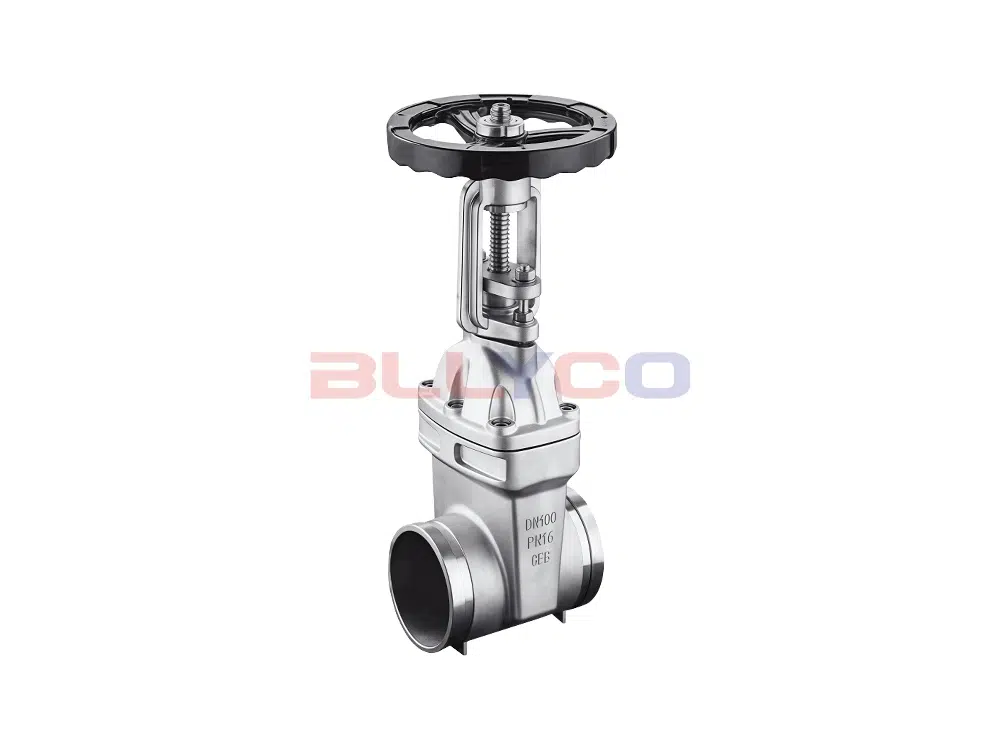
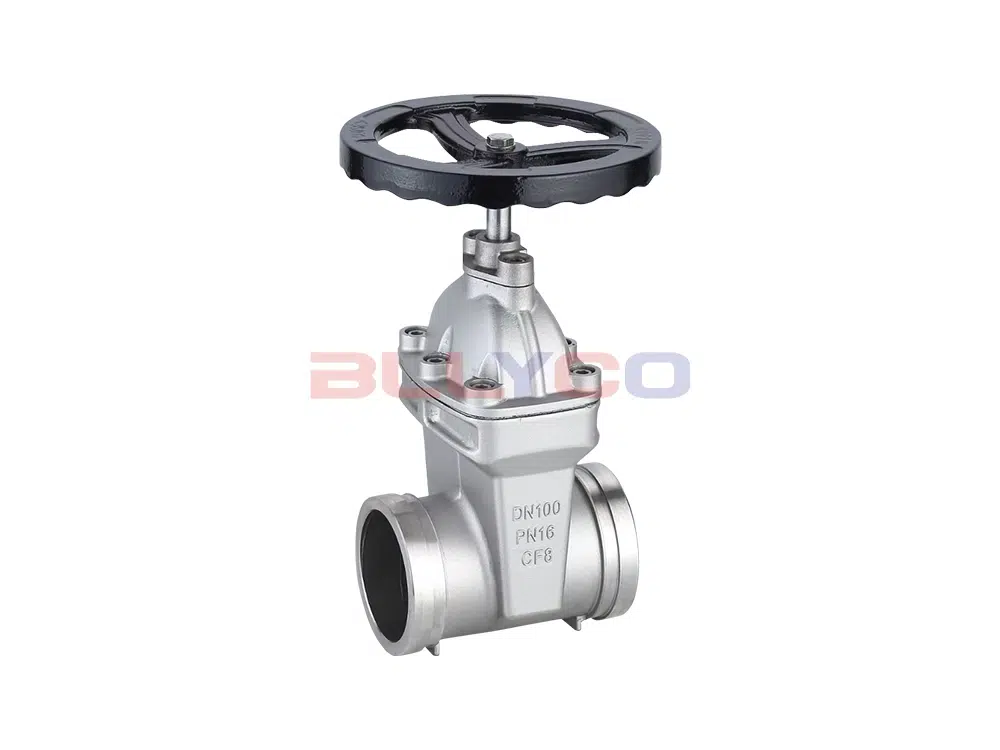
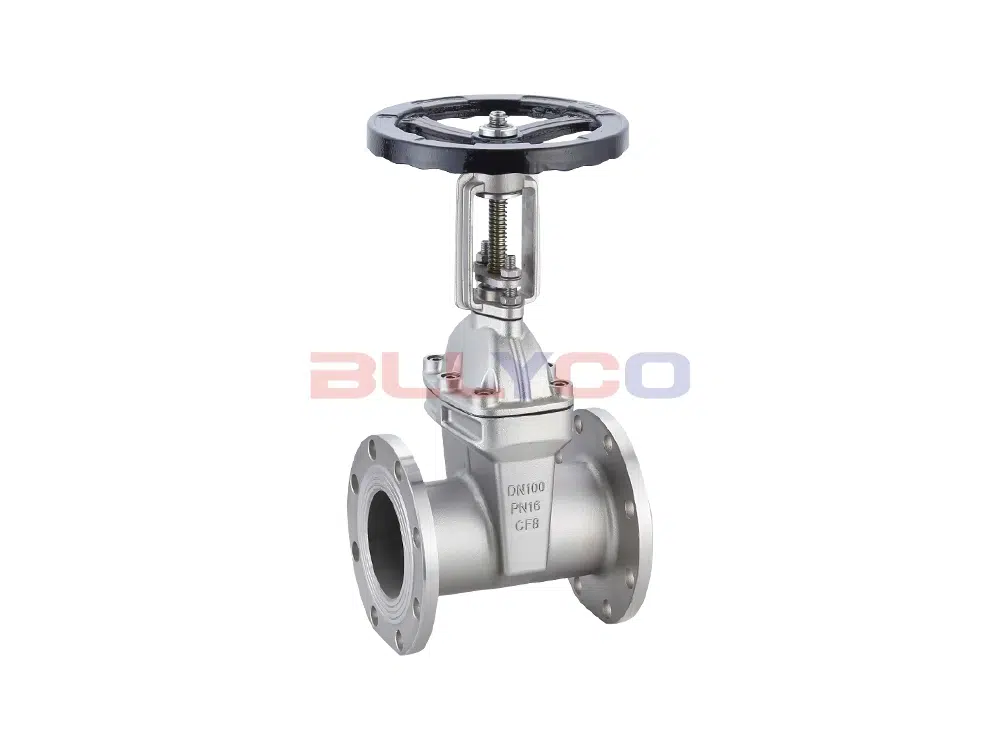
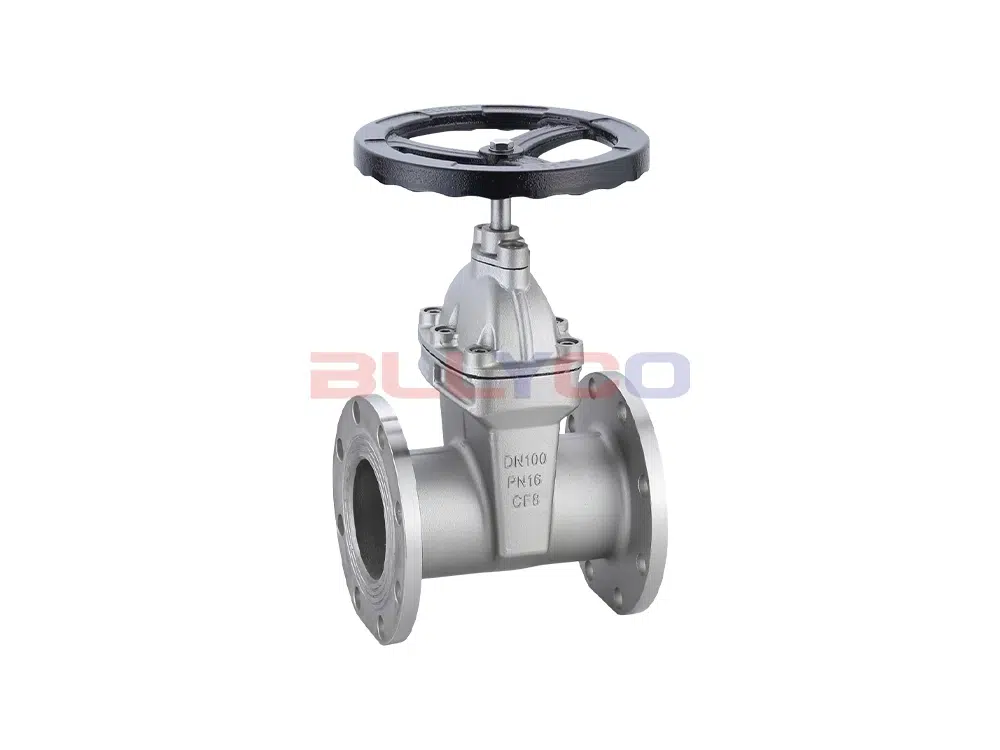
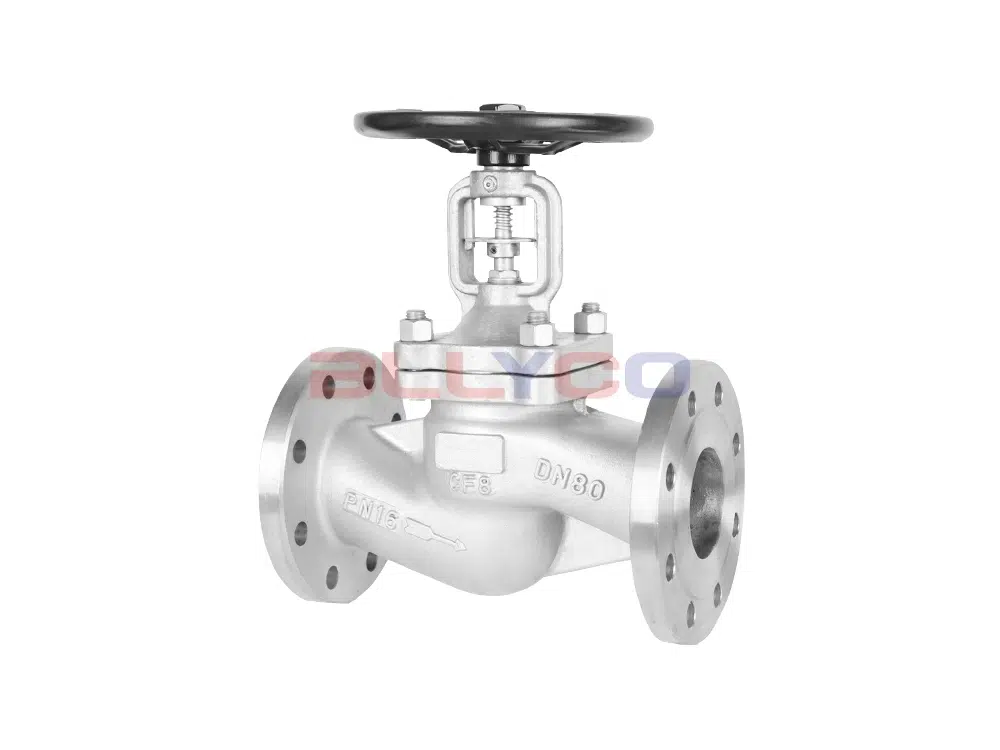
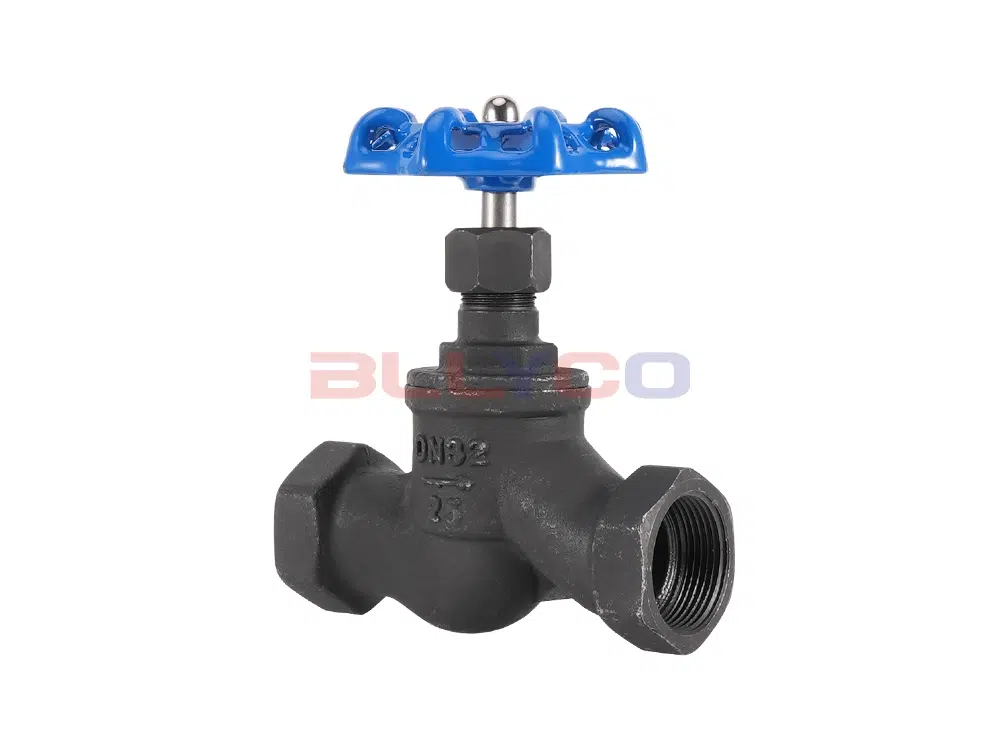
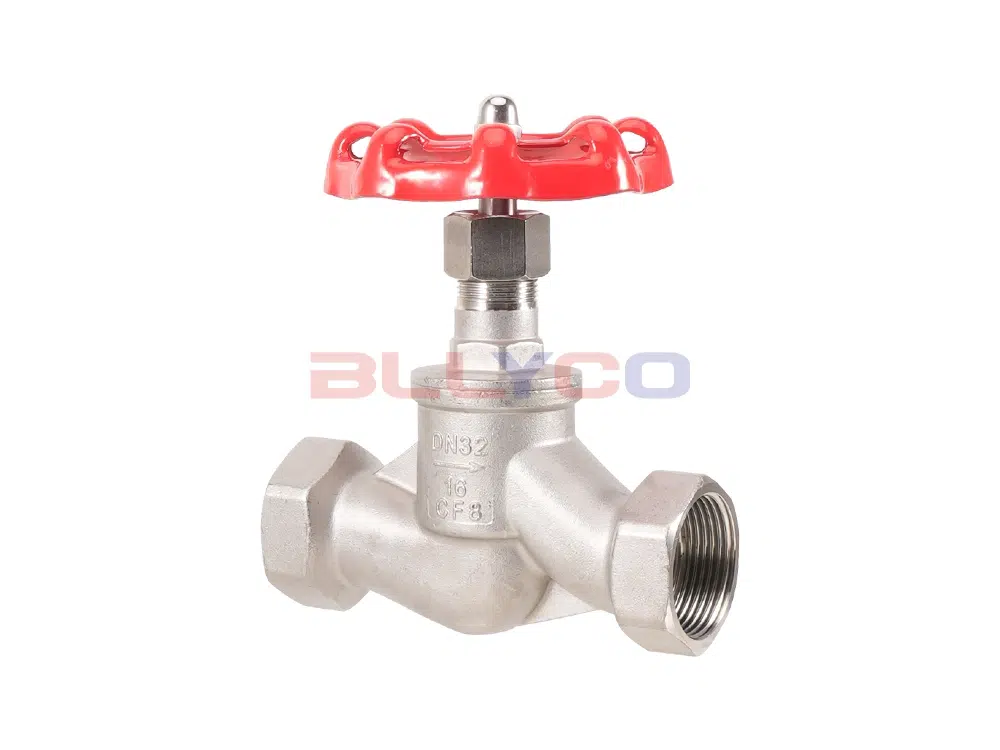
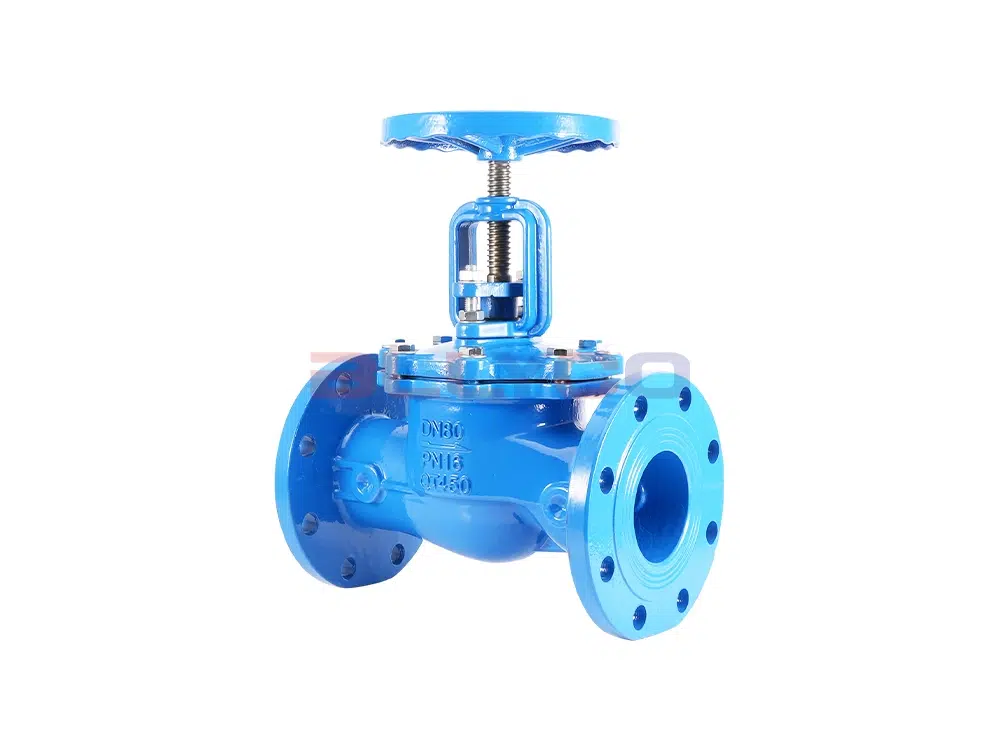
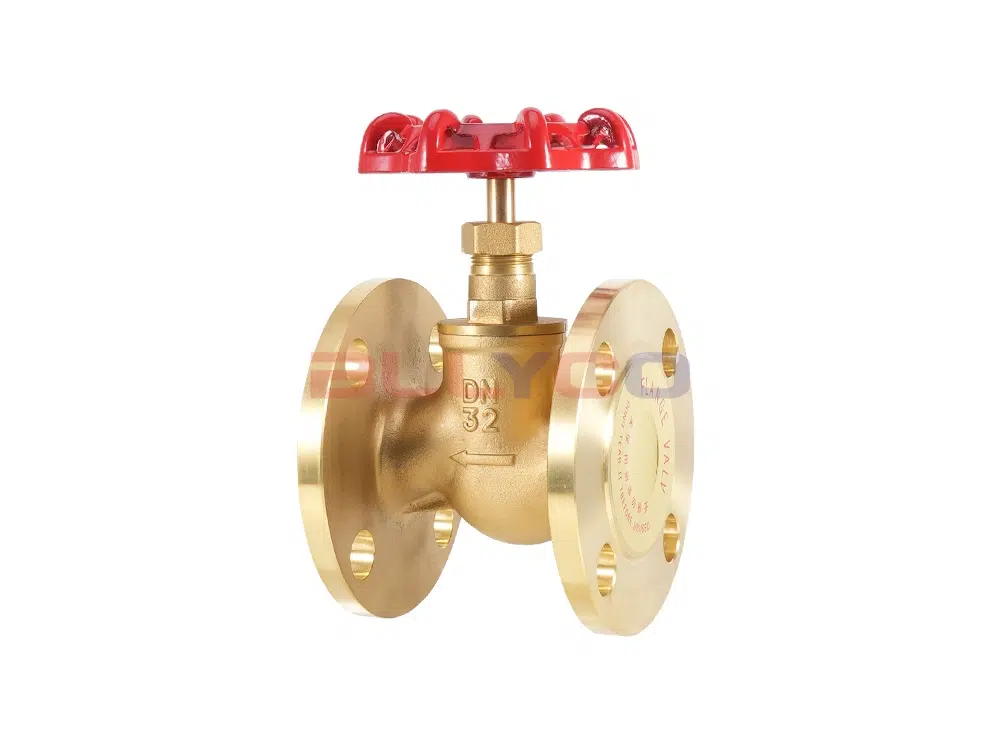
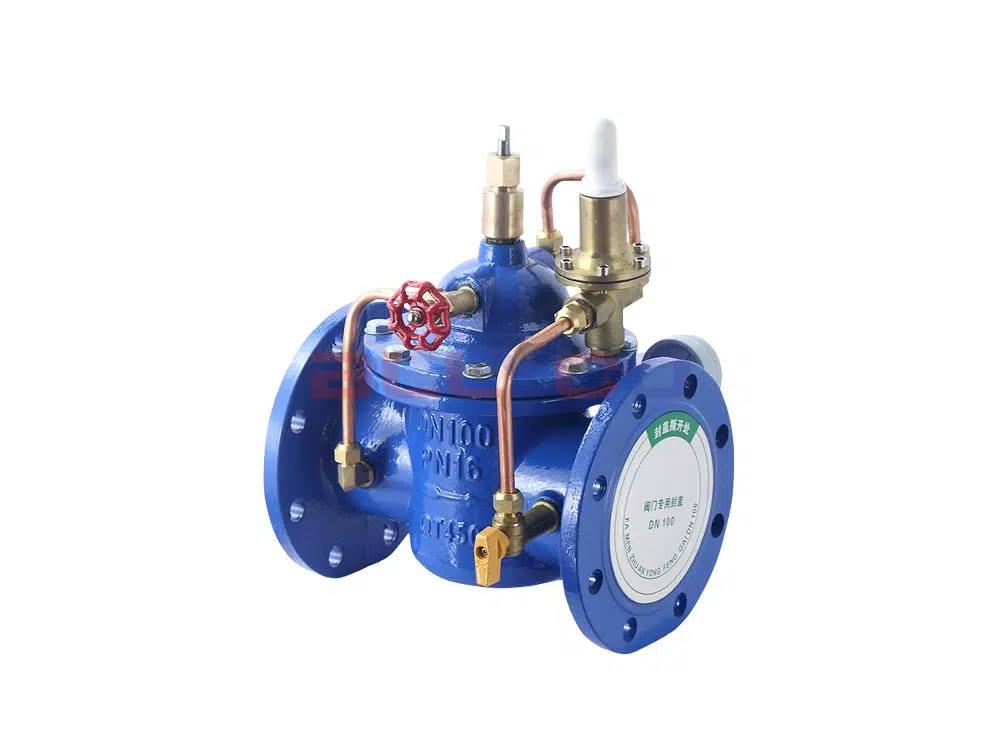
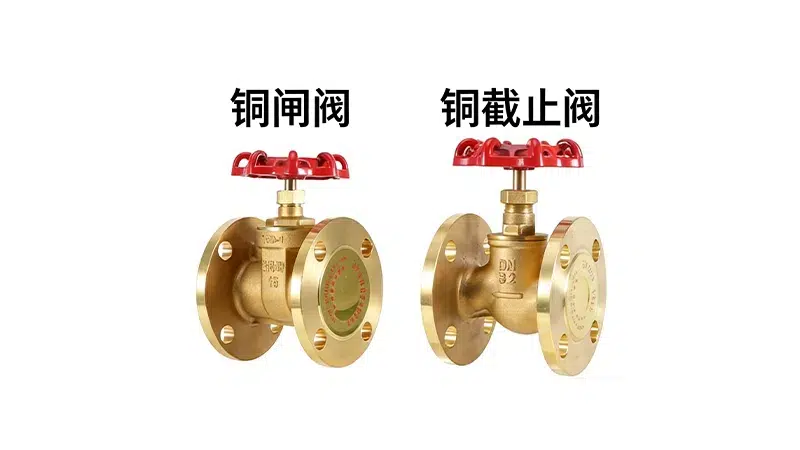
3. Shut-off valve

specificities

  • The ability to flexibly regulate the flow rate in the heating system and thus achieve a balanced distribution of temperature.

Applicable occasions

  • It is used in a wide range of applications, especially in the branch or return line portion of heating piping, where it plays a vital role in flow control.

4. Solenoid valve

specificities

  • The opening and closing of the valve is manipulated by the action of electromagnetic force, thus enabling a rapid response.

Applicable occasions

  • Widely used in those scenarios where rapid shut-off or energization of water is required, such as controlling the system during an emergency heating shutdown.

5. Three-way valve

specificities

  • The ability to accurately regulate fluid flow and effectively achieve a balance between water supply and return.

Applicable occasions

  • It plays a key role in regulating the flow of heating water to ensure that temperatures remain evenly distributed in all parts of the system.

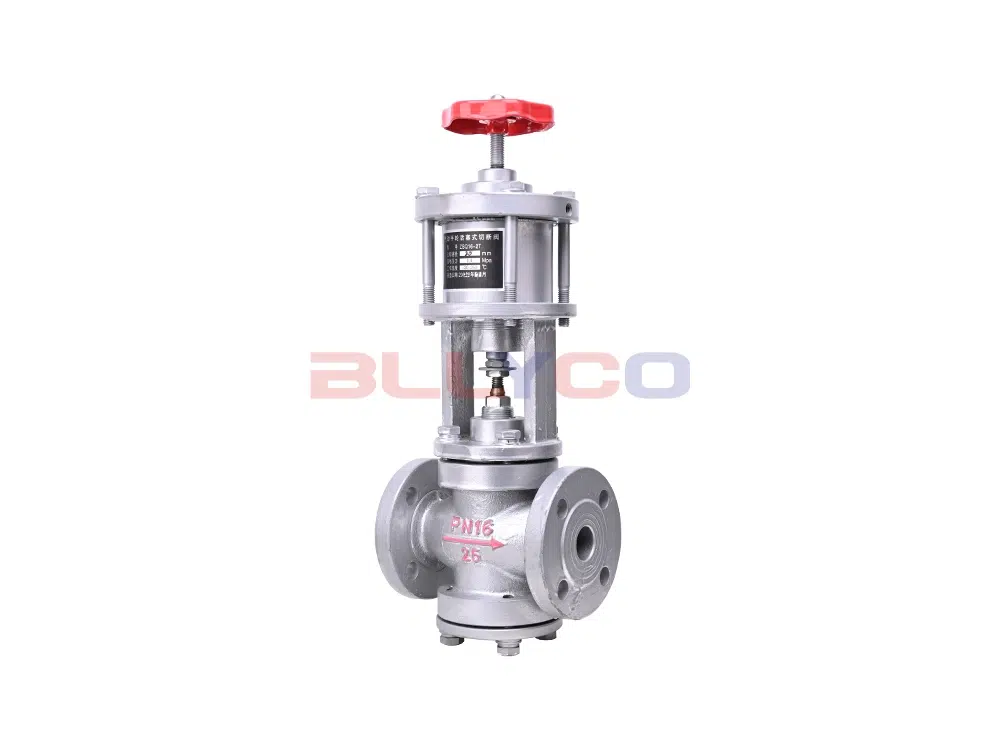
6. Pneumatic valve

specificities

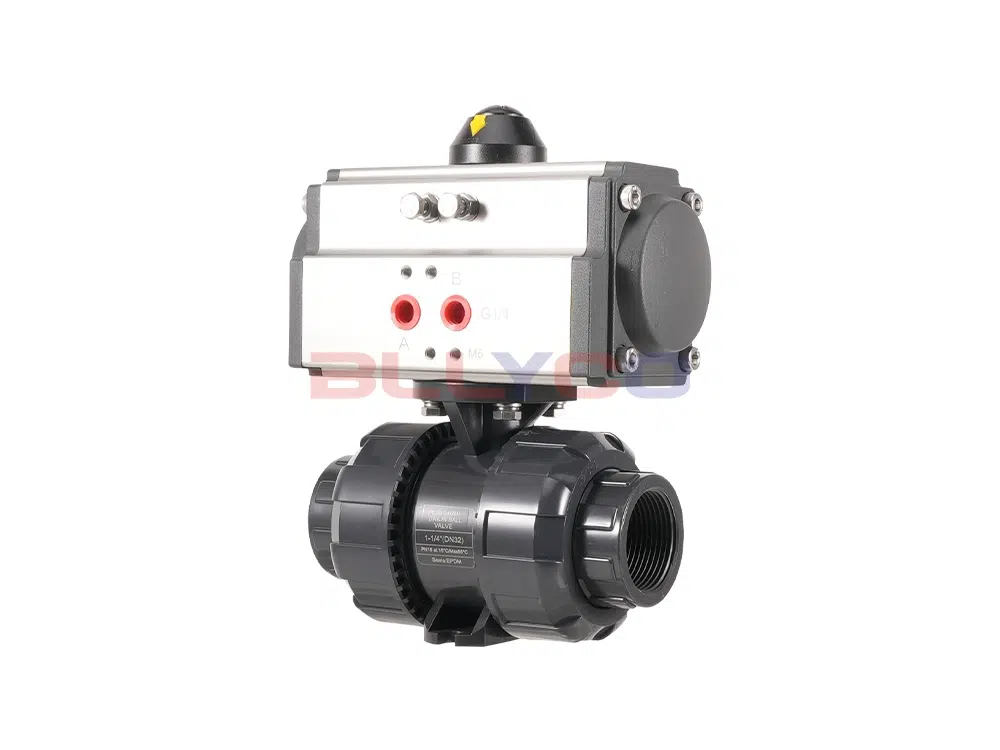
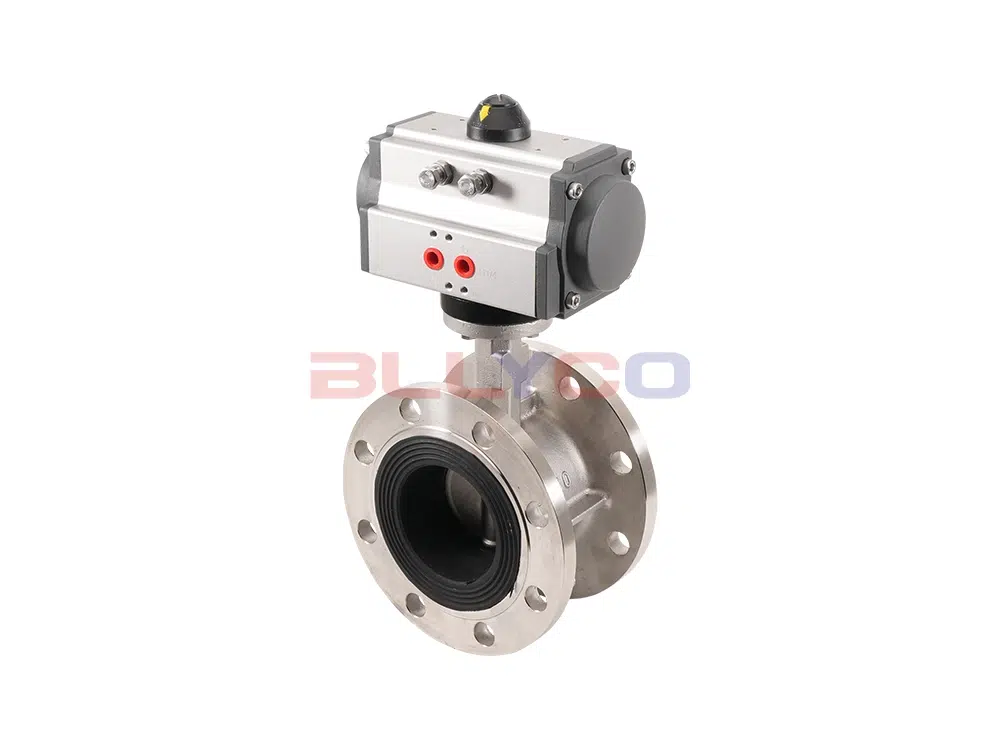
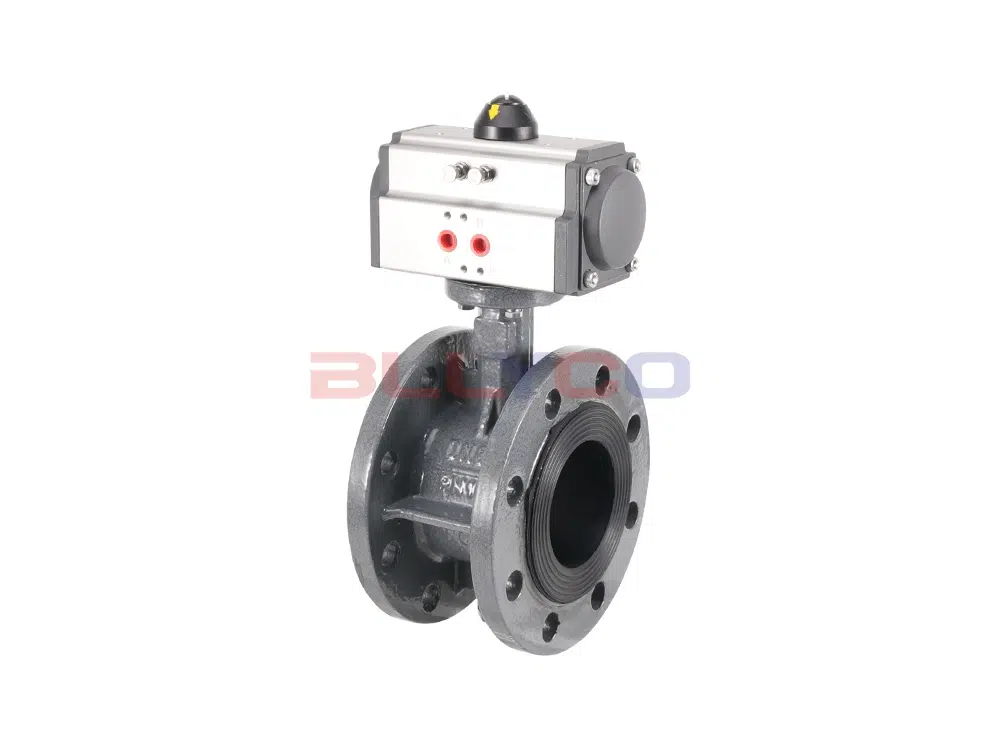
  • Manipulation is realized by pneumatic actuators, which are particularly suitable for various special environments.

Applicable occasions

  • Pneumatically operated valves are often a more suitable solution for specific conditions such as high temperature environments or the presence of corrosive gases. For example, pneumatic butterfly valves and pneumatic ball valves are typical examples.

When planning a heating system, engineers must consider the size of the system, functional requirements and user expectations, and then select the appropriate type of valve. Heating piping in the use of a wide variety of valves, the proper configuration of these valves can not only enhance the stability of the system and energy efficiency, but also enhance the comfort of living, thus ensuring the smooth operation of the heating system.

WeChatWeiboFacebookXRedditPinterestLinkedInStumbleUponWhatsAppvKontakteCopy link