









Copper Ball Valve Size Comparison Chart: Complete Guide to Selection and Application

Date: 2026-01-10 Categories: Valve Knowledge Views: 166

Excerpt:

Understand the copper ball valve size chart to easily match the correct specifications when purchasing copper ball valves, ensuring smooth plumbing installation and system operation. Master the size standards for copper ball valves to optimize pipeline configuration and management.

在现代建筑和水管系统中,铜球阀因其优良的耐腐蚀性和密封性能,广泛应用于给水、排水、供热等多种场合。对于专业的管道工程师和家居装修者来说,了解铜球阀的尺寸对照表不仅能帮助他们更好地选购合适的阀门,还能确保管道系统的正常运行。在选购铜球阀时,精准的尺寸匹配是至关重要的,错误的选择可能会导致漏水、密封不良等问题,影响水管系统的安全与效率。

The copper ball valve size comparison chart is categorized based on different valve types, operating pressures, and pipeline connection methods. It encompasses multiple dimensions including nominal bore, external dimensions, threaded connections, and flanged connections. To facilitate understanding of copper ball valve selection and usage, we begin by examining common sizes and classifications.

螺纹规格(英寸)

俗称

Nominal Diameter

螺纹外径φ(mm)

螺纹内径φ(mm)

1/8

1分

DN6

9.5±0.2

8.8±0.2

1/4

2分

DN8

12.5±0.3

11.5±0.2

3/8

3分

DN10

16.2±0.3

15.3±0.2

1/2

4分

DN15

20.3±0.3

19.3±0.3

3/4

6分

DN20

25.7±0.5

24±0.5

1

1寸

DN25

32.5±0.5

30.5±0.5

1-1/4

1.2寸

DN32

41.5±0.5

39.5±0.5

1-1/2

1.5寸

DN40

47.8±0.5

46.3±0.5

2

2寸

DN50

59.6±0.5

56.6±0.5

2-1/2

2.5寸

DN65

74.5±0.5

72.5±0.5

3

3寸

DN80

87.5±0.5

84.5±0.5

4

4寸

DN100

112.5±0.5

110.5±0.5

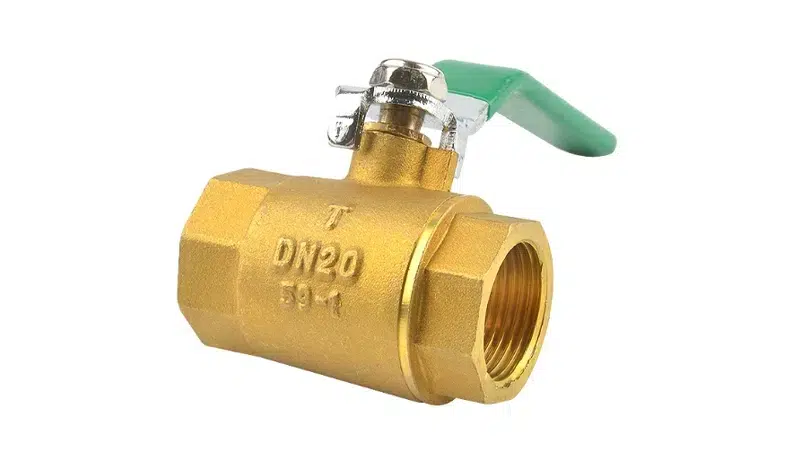
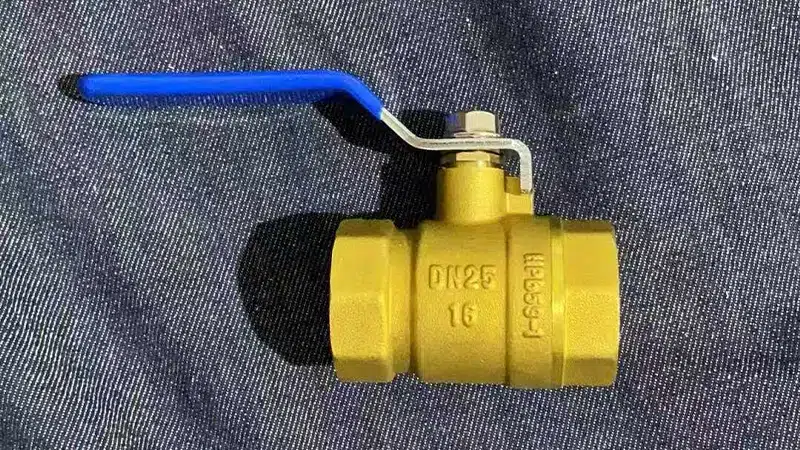
The nominal bore size of a copper ball valve is typically selected based on the pipe's inner diameter. For example, common copper ball valve sizes include 1/2 inch, 3/4 inch, 1 inch, 1 1/4 inch, etc., which correspond to the pipe's inner diameter or connection size. When selecting a copper ball valve, it is essential to ensure the valve's bore size matches the pipe's inner diameter; otherwise, issues such as restricted flow and pressure loss may occur. The external dimensions and mounting configuration of a copper ball valve should also be selected based on specific requirements, as different mounting methods can affect the valve's overall dimensions.


I. Common Connection Methods for Brass Ball Valves

1. Female Threaded Connection

  • This connection method is commonly used in small-diameter valves, offering simple installation and suitability for household plumbing and small-scale piping systems.

2. External Thread Connection

  • External threaded copper ball valves are commonly used in large-scale piping systems, providing more stable sealing performance.

3. Flange Connection

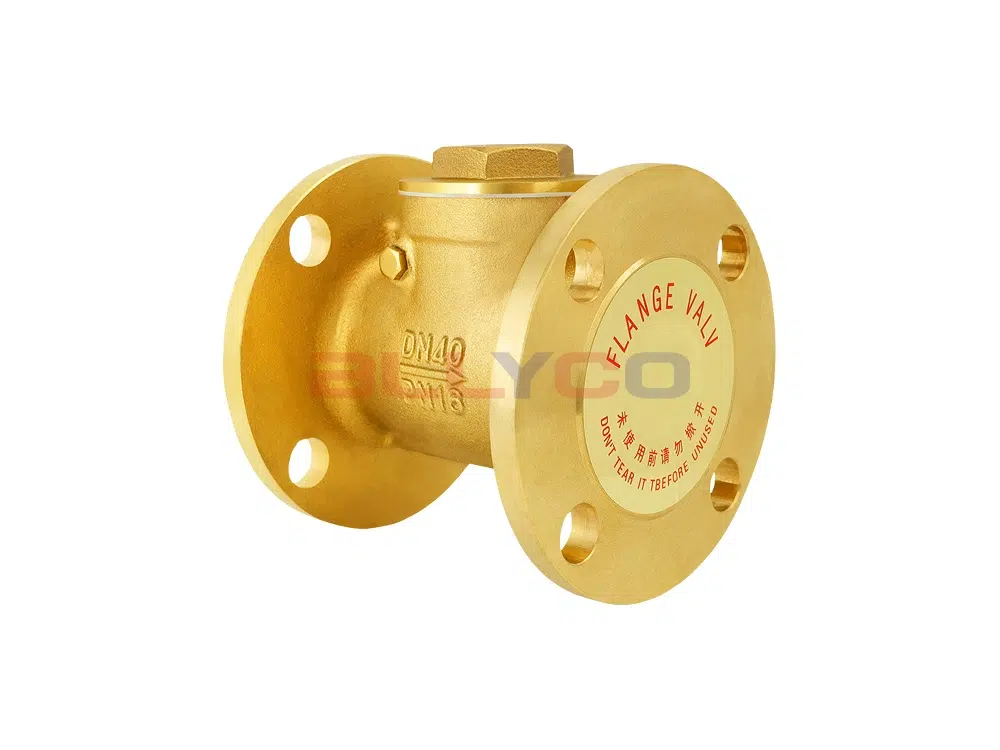
  • Flange-connected copper ball valves are widely used in industrial and commercial piping systems due to their robust construction, excellent sealing properties, and ability to withstand high pressures.

By understanding the connection methods and dimensions of brass ball valves, you can better select the appropriate valve based on your specific requirements, ensuring the safety and efficiency of your system.


II. Key Considerations When Selecting Copper Ball Valves

1. Sealing Performance and Material Requirements

The sealing performance of copper ball valves is also a key factor to consider during selection. Copper ball valves control pipeline flow through the rotation of the ball, making their sealing performance directly related to the smooth flow of water within the pipeline system and the risk of leakage. Copper ball valves typically utilize high-performance sealing materials such as PTFE and FPM. These materials possess excellent resistance to aging, high temperatures, and corrosion, effectively ensuring the long-term reliability of copper ball valves.

2. Quality Selection and Brand Importance

When selecting copper ball valves, besides size and connection methods, another factor that should not be overlooked is the quality of the valve. With numerous brands available on the market and varying levels of quality, choosing a well-known brand can significantly reduce maintenance costs and operational risks caused by quality issues. Renowned brands not only use high-quality copper materials but also adhere to stricter production processes and sealing technologies, ensuring the valve's stability and reliability.

3. Selection Considerations for Different Application Environments

When selecting copper ball valves, the material and specifications must also be determined based on the specific application environment. For instance, in highly corrosive environments, corrosion-resistant copper ball valves should be chosen. Conversely, in high-temperature and high-pressure conditions, specialized copper ball valves capable of withstanding such extreme conditions are required.

4. Selection of Operating Methods

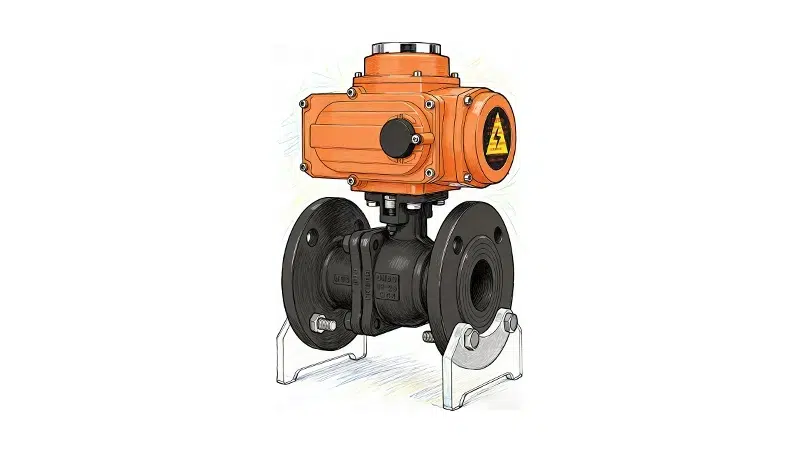
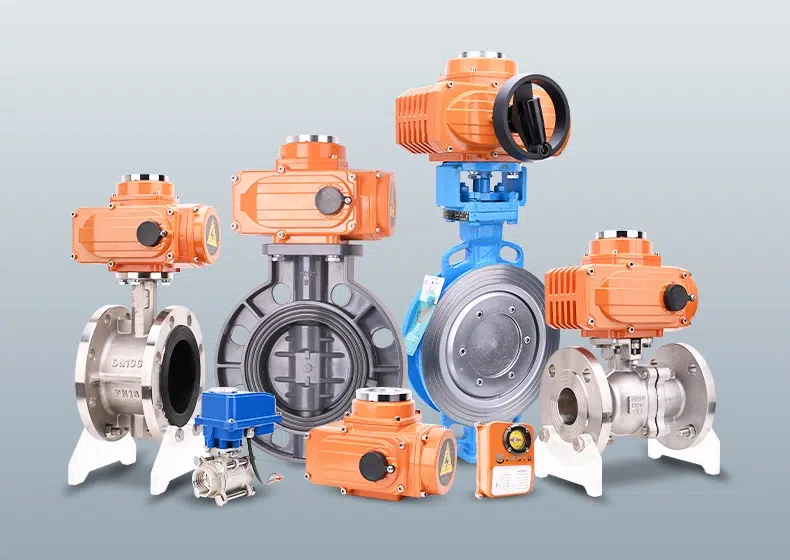
The operating method of copper ball valves is another key factor to consider during selection. Currently, copper ball valves on the market primarily come in two types: manually operated and automatically controlled. Manually operated copper ball valves are suitable for general households and small commercial buildings, while automatically controlled copper ball valves are ideal for industrial applications and complex piping systems requiring remote control. Automatically controlled copper ball valves are typically equipped with electric actuators, enabling valve opening and closing operations through external control systems. They are highly suitable for piping systems requiring frequent operation and remote control.

5. Maintenance and Usage Recommendations

Beyond basic dimensions and materials, maintenance of brass ball valves is also a critical consideration for long-term use. Regularly inspect the operational status of brass ball valves, promptly clean any dirt from the valve surface, and avoid prolonged exposure to high-pressure or high-temperature environments. These practices will effectively extend the service life of brass ball valves.


III. Summary

Overall, copper ball valves play a crucial role in plumbing systems. Selecting the correct size, understanding valve characteristics, and ensuring quality can help users avoid many potential issues during installation and operation. Choosing the appropriate valve based on the copper ball valve size chart ensures efficient pipeline system operation, enhances the safety and stability of the plumbing system, and provides a more reliable water supply for your home or business.

Through this article, you should now have a comprehensive understanding of the copper ball valve size reference chart. When selecting valves in the future, simply choose the appropriate size and material based on your requirements to ensure perfect compatibility and efficient operation of the copper ball valve.

WeChatWeiboFacebookXRedditPinterestLinkedInStumbleUponWhatsAppvKontakteCopy link