









Hello, welcome to the official website of BolaiKong Technology (Wuxi) Co., Ltd.!

Material Selection of Seawater Valves

Material Selection of Seawater Valves

This paper discusses the selection of valve materials for seawater environments, emphasizing the critical impact of seawater's strong corrosive properties (containing chlorine ions, salts and microorganisms) on the safety of equipment and smooth processes. Core materials include: stainless steel (such as 316L, high corrosion resistance, strong mechanical strength, suitable for seawater treatment and marine engineering); copper alloy (corrosion resistance and antibacterial, suitable for seawater desalination and ships); plastic (lightweight and low-cost, but weak, suitable for low-pressure, small-diameter valves). When choosing, it is necessary to consider the seawater composition, process requirements and operating environment to ensure stable operation of the equipment.

Types of Valves Commonly Used in Heating Plumbing

Types of Valves Commonly Used in Heating Plumbing

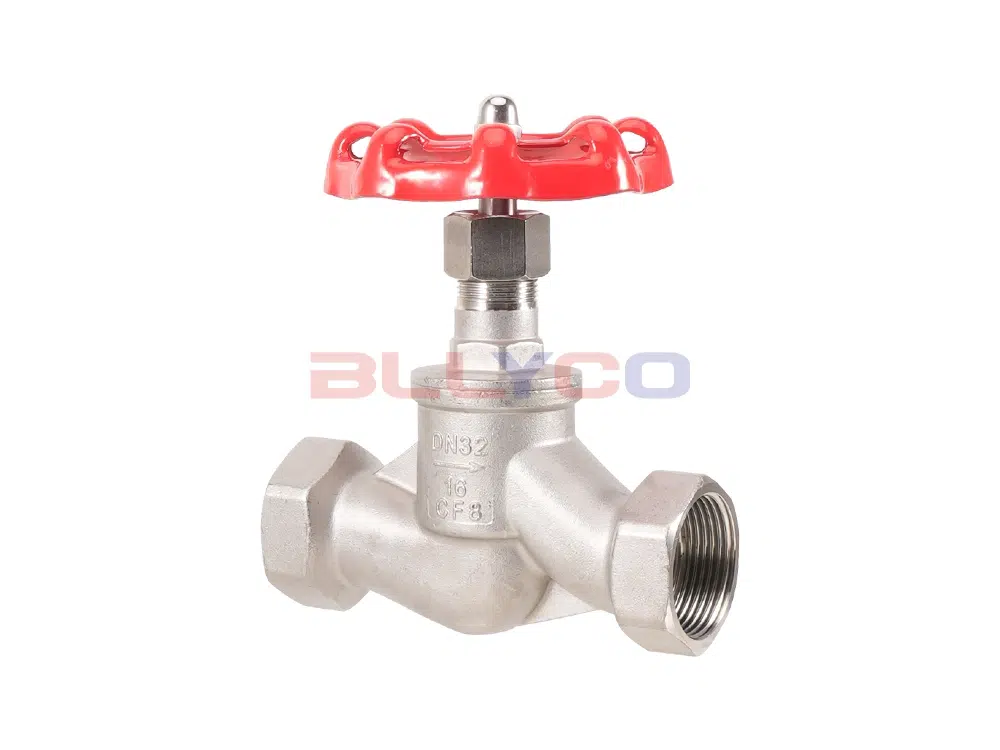
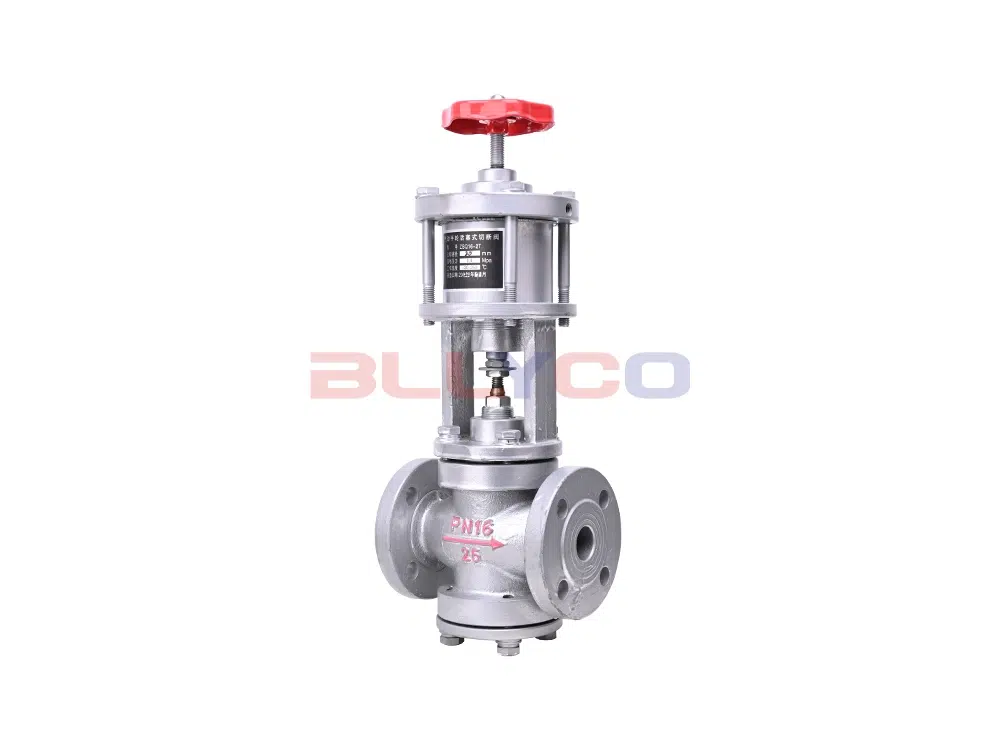
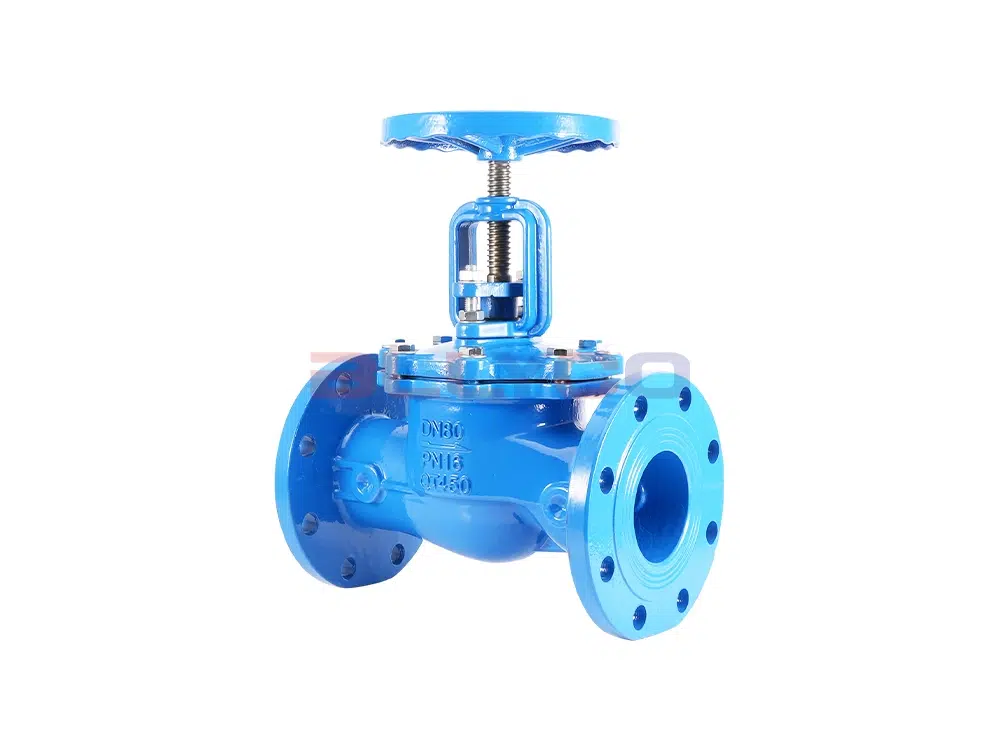
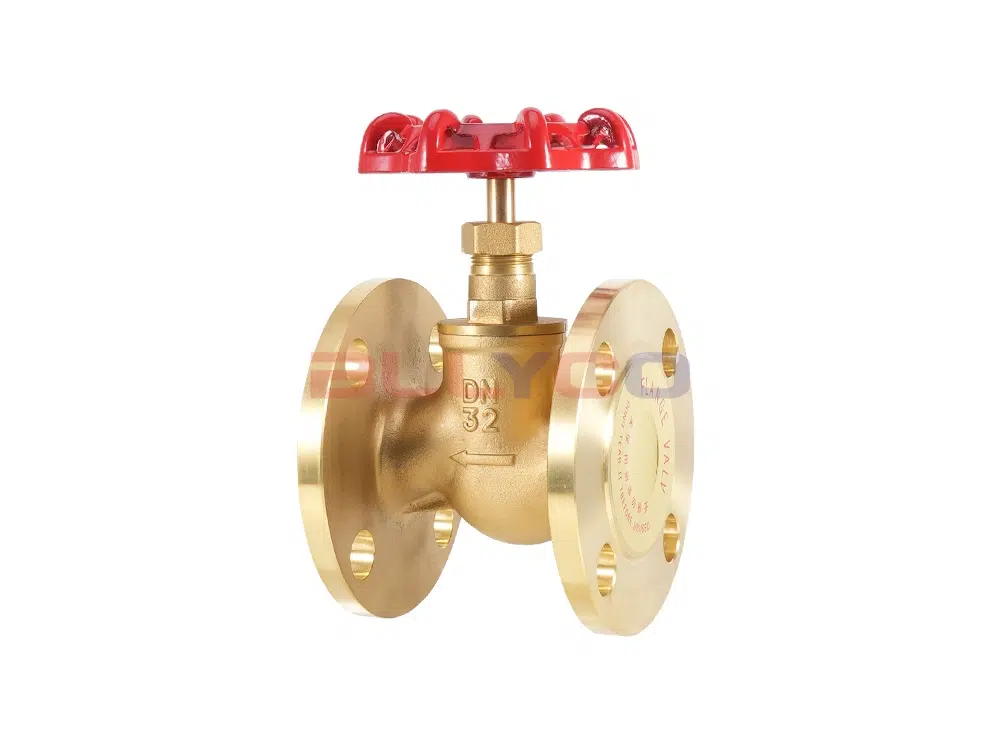
In heating supply systems, the correct choice of valves is essential to ensure efficiency, temperature control and system stability. This article provides a brief overview of six commonly used valve types: temperature control valves (to automatically regulate room temperature), motorized valves (for remote control), globe valves (for flow regulation), solenoid valves (for quick response), three-way valves (for flow balancing) and pneumatic valves (for special environments). Each valve's features and applications are outlined to help engineers optimize their choices based on system size, functional requirements and user expectations to improve energy efficiency and comfort.

Types of Valves Commonly Used in Building Water Supply System

Types of Valves Commonly Used in Building Water Supply System

This article introduces the six commonly used valves and their functions in the building water supply system: ball valves (easy to operate, open and close quickly for hot and cold water pipelines), butterfly valves (compact structure, suitable for large flow mains), globe valves (low fluid resistance, adjustable flow), check valves (to prevent backflow, to protect the pumps), regulating valves (to accurately control the flow rate) and pressure reducing valves (to reduce the pressure, to protect the safety of equipment). Engineers need to choose the right valve according to system requirements, operating characteristics and environmental factors to ensure efficient and stable operation of the system.

Flange Gate Valve and Flange Ball Valve Differences

Flange Gate Valve and Flange Ball Valve Differences

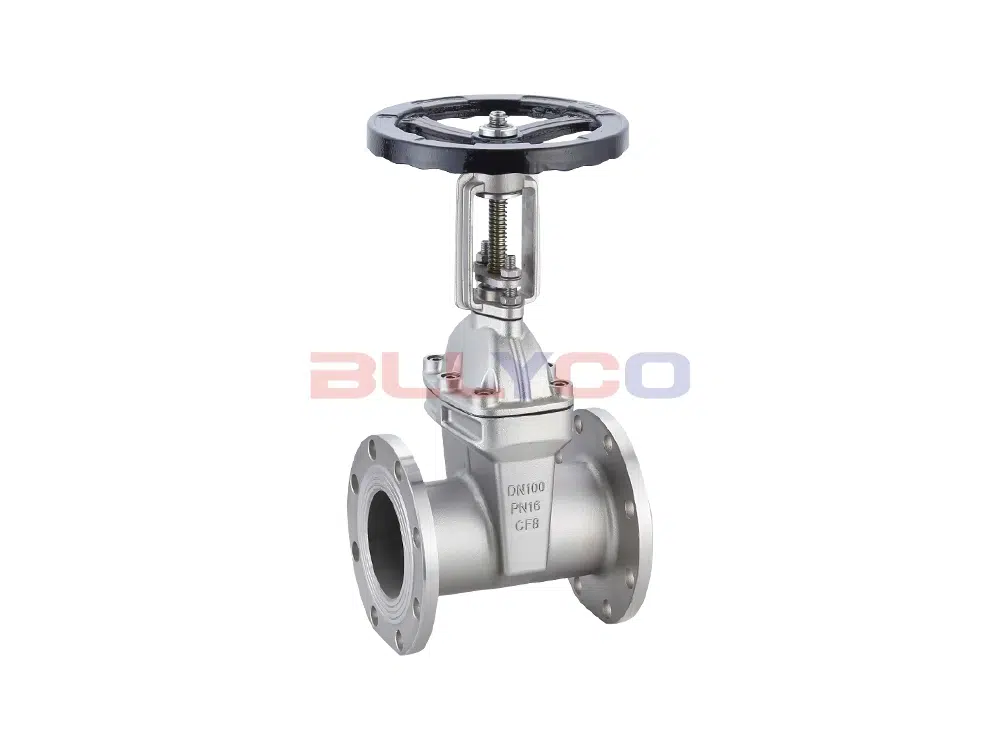
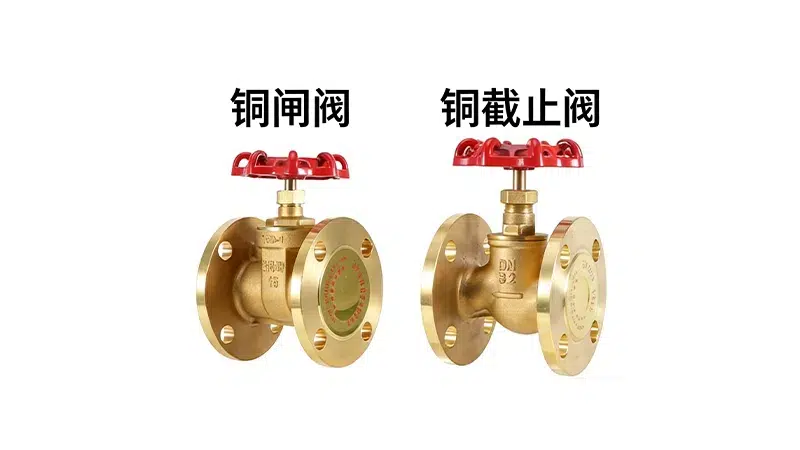
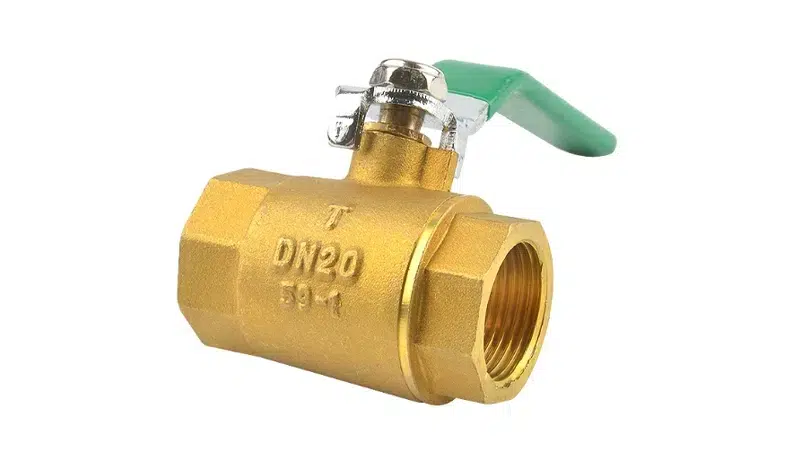
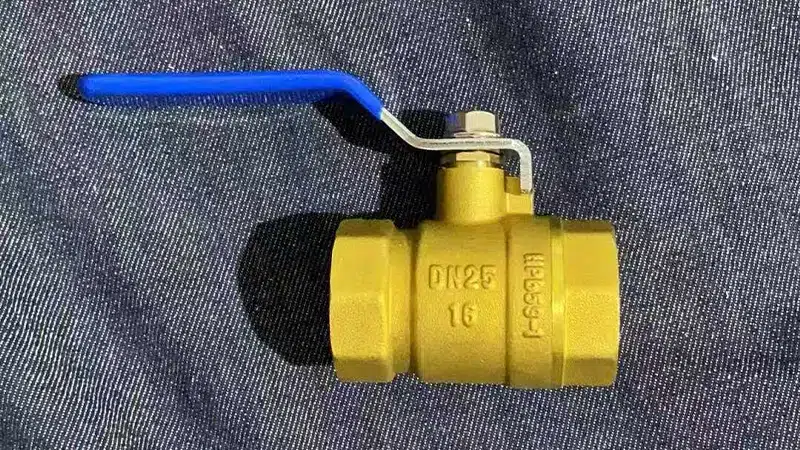
This article analyzes the core difference between flange gate valve and flange ball valve: structurally, the gate valve adopts the design of up and down movement of the gate plate (composed of the valve body, bonnet, etc.), while the ball valve is operated by rotating the ball by 90 degrees (including the valve body, ball, etc.); on the working principle, the gate valve relies on the sealing of the valve seat by the gate plate fitting, while the ball valve achieves the circulation through the rotation of the ball; on the usage scenario, the gate valve is suitable for the completely open and close and leakage prevention of strict occasions (e.g., water In terms of usage scenarios, gate valves are suitable for fully opening and closing and for strict leakage prevention (e.g. water treatment facilities), while ball valves are suitable for quick operation (e.g. fire protection systems). It is important to choose the right valve according to the actual needs and fluid characteristics.

Commonly Used Types of Manual Valves

Commonly Used Types of Manual Valves

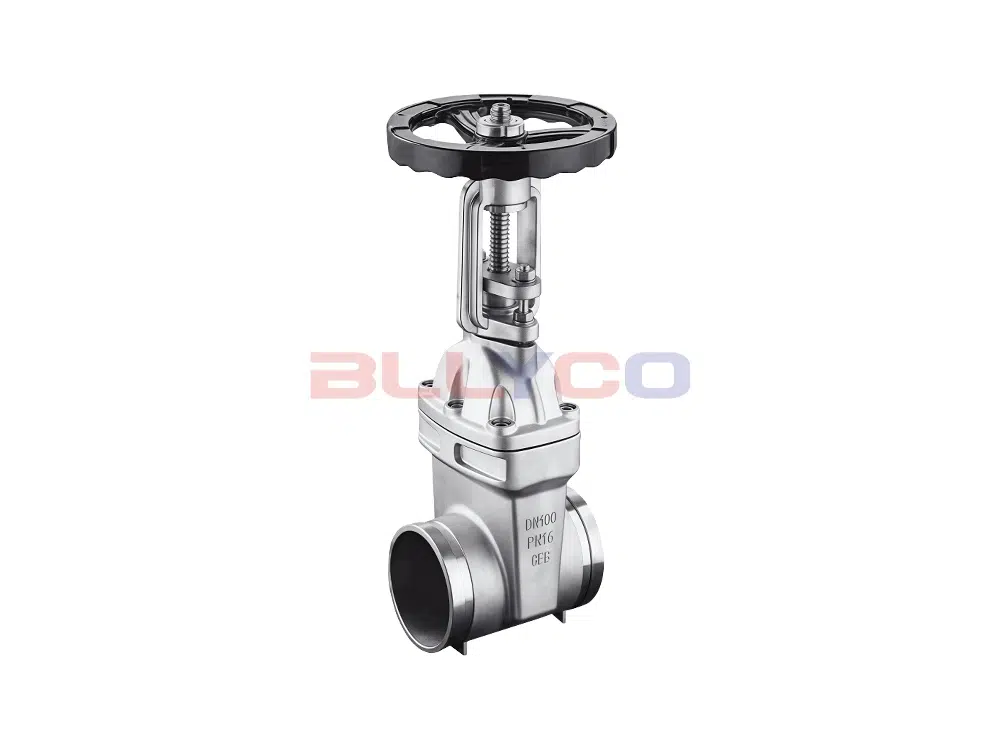
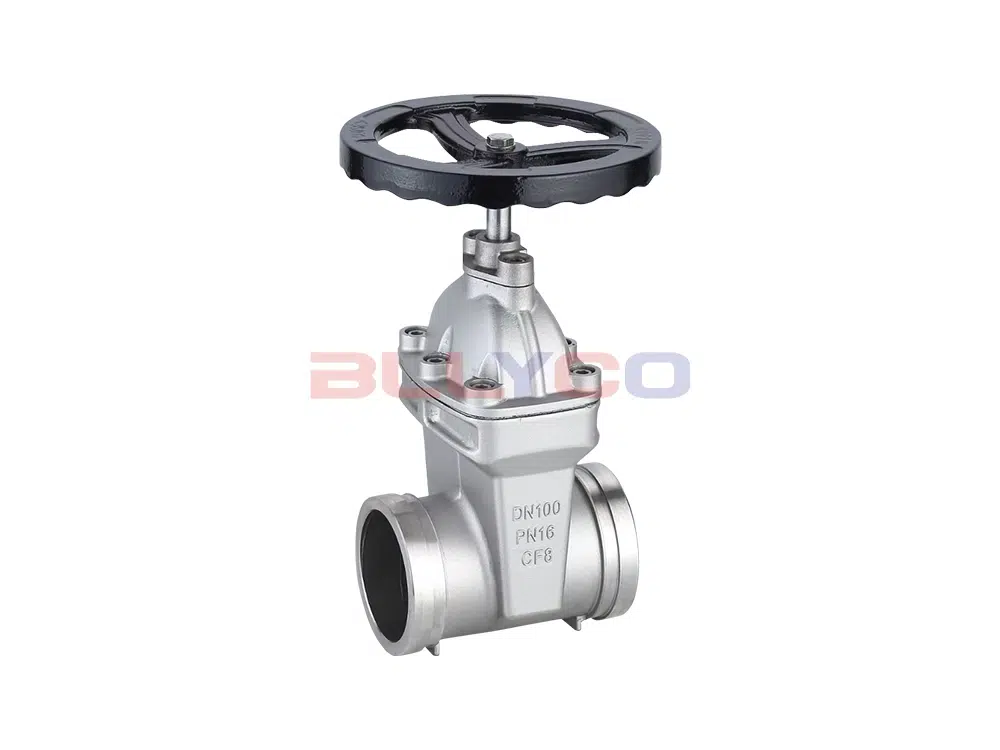
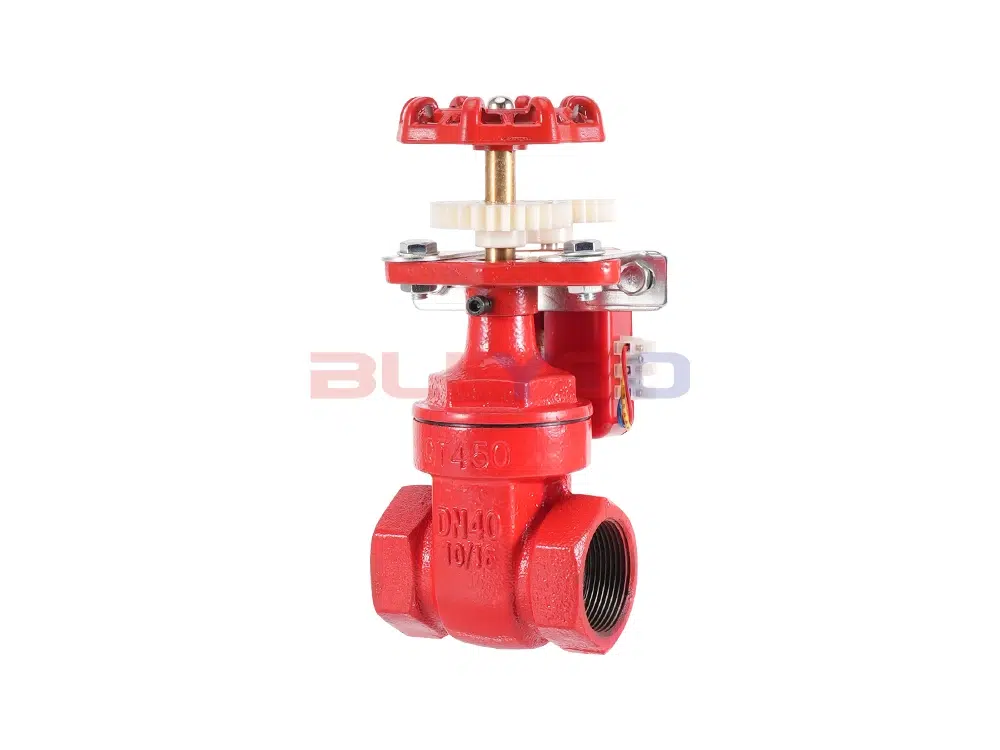
Manual valves are key control elements in the pipeline fluid transportation system, widely used in industrial fields, designed to ensure smooth fluid transportation and safe operation of the system. This article focuses on four common types: manual butterfly valve (simple structure, convenient operation, divided into handle type and worm gear type, applicable to different caliber pipeline), manual gate valve (commonly used in water distribution system, divided into open rod and concealed rod type, opening and closing status intuitive), manual ball valve (used to cut off the flow, shunt and adjust the direction of flow, opening and closing parts for the ball) and manual disconnecting valve (good abrasion resistance, maintenance is convenient, but opening and closing torque, nominal diameter). (≤200mm). Selection needs to be based on the pipeline characteristics and working environment to ensure that the system is efficient and stable.

Analyzing the Applicability of Butterfly Valves as Control Valves

Analyzing the Applicability of Butterfly Valves as Control Valves

This paper evaluates the suitability of butterfly valves as regulating valves for fluid management in the industrial and construction sectors. The advantages of butterfly valves include simple design, small size, light weight, easy installation and maintenance, low operating torque, fast response and low flow resistance, which can reduce energy consumption and cost. However, its regulating precision is insufficient, the flow characteristic curve is nonlinear, it is easy to cause flow fluctuation when small opening, and the seal may decline and lead to leakage in long-term use. Therefore, butterfly valves are suitable for scenarios (such as ventilation or water supply and drainage systems) that do not require high regulation accuracy, have a wide range of flow variations, and emphasize cost and convenience; however, for high-precision demand scenarios (such as chemical production), ball valves or precision control valves are recommended.

Are Gate Valves Suitable for Steam Piping

Are Gate Valves Suitable for Steam Piping

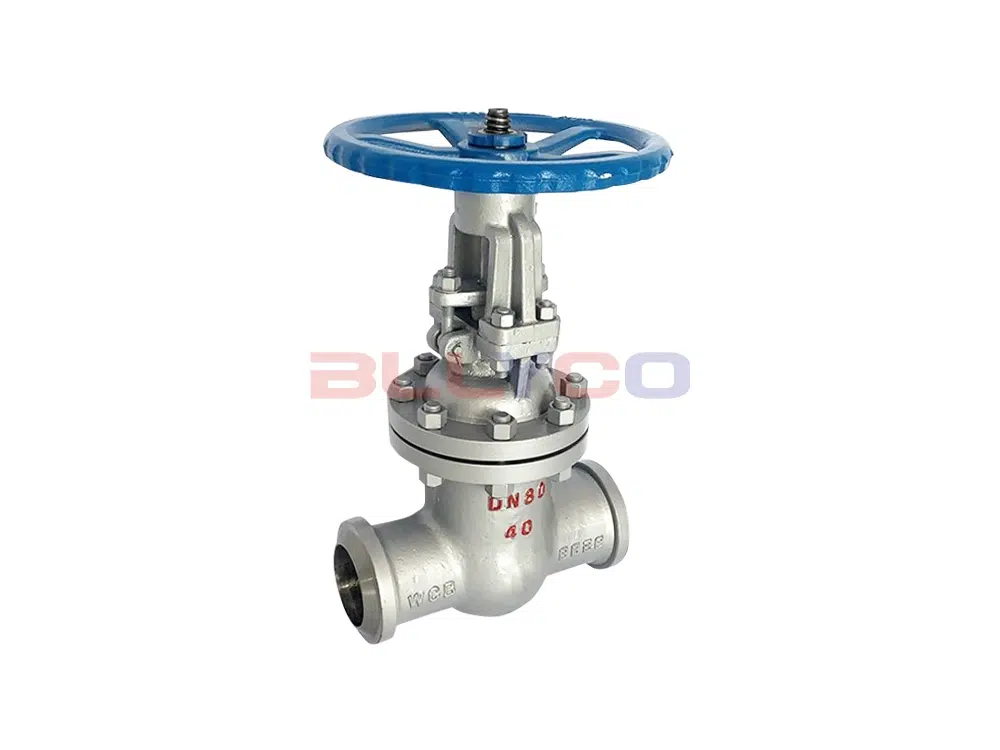
Gate valves are theoretically suitable for steam piping and can effectively block the flow of steam. However, high temperature and high pressure environments require extremely high sealing performance, and the risk of leakage due to thermal expansion and contraction can lead to energy waste or safety accidents. Safe and stable operation of gate valves can be ensured through proper selection (e.g., use of cast steel), precise installation, and regular maintenance (inspection and replacement of seals). To summarize, gate valves can be used in steam pipelines, but they require comprehensive consideration of operating conditions, performance and maintenance to achieve a reliable function.

The Application Range of the Butt-Clamp Butterfly Valve

The Application Range of the Butt-Clamp Butterfly Valve

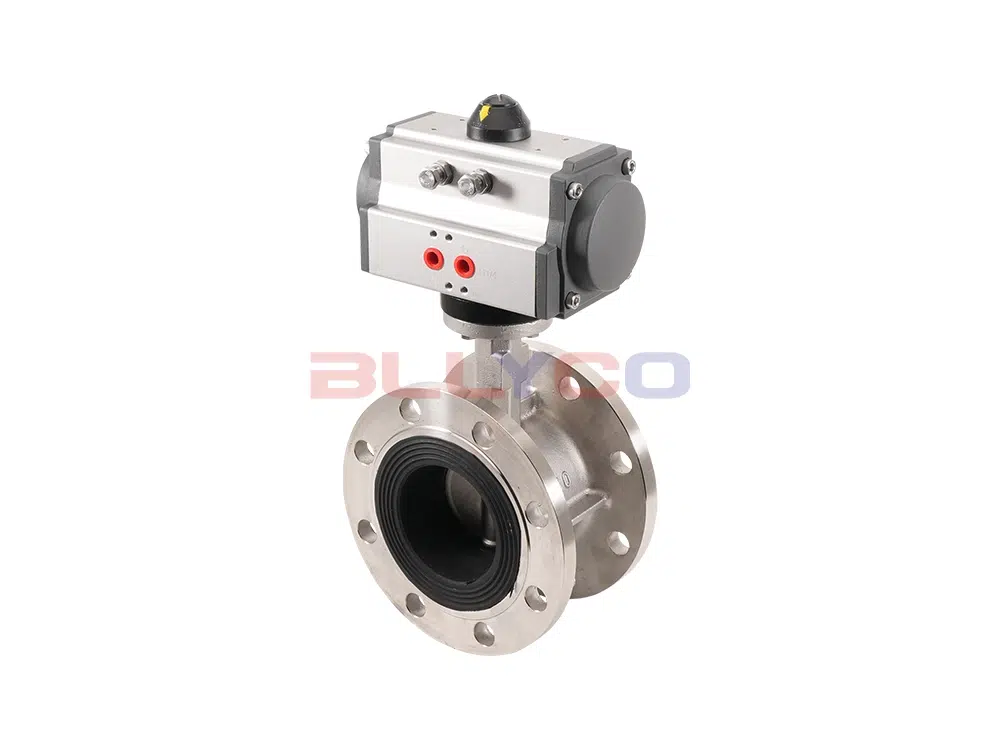
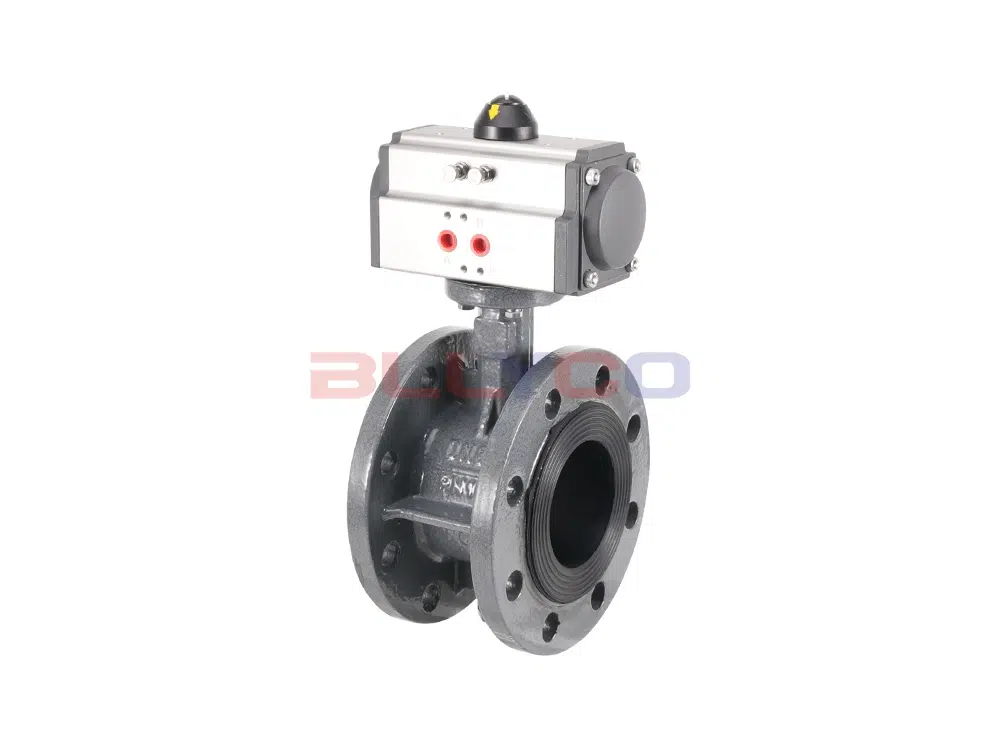
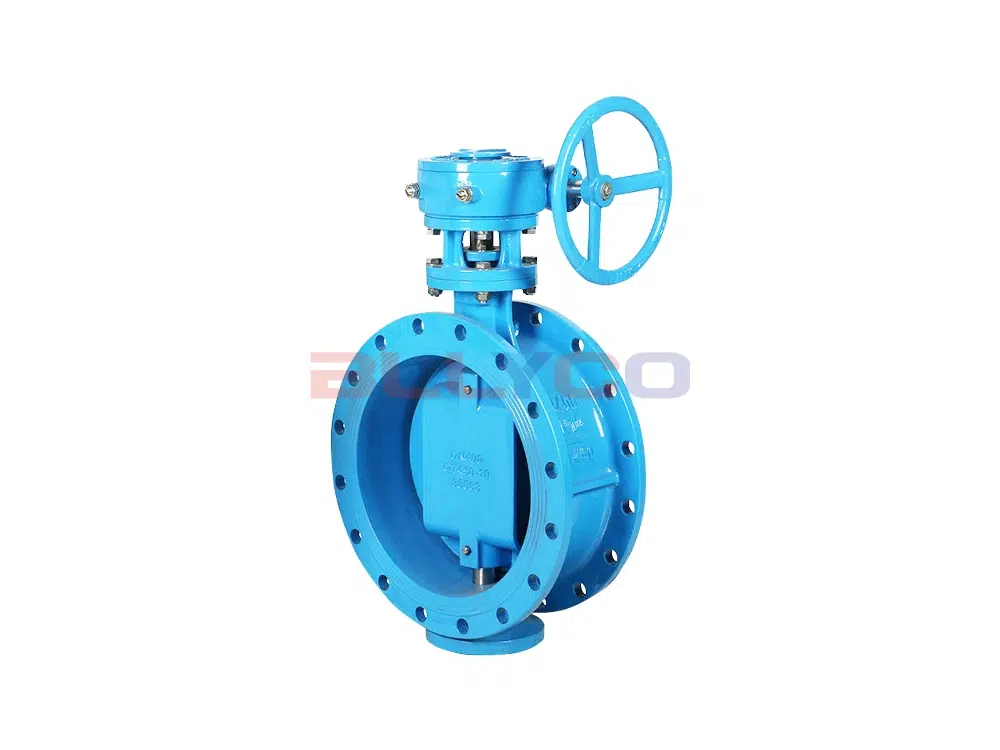
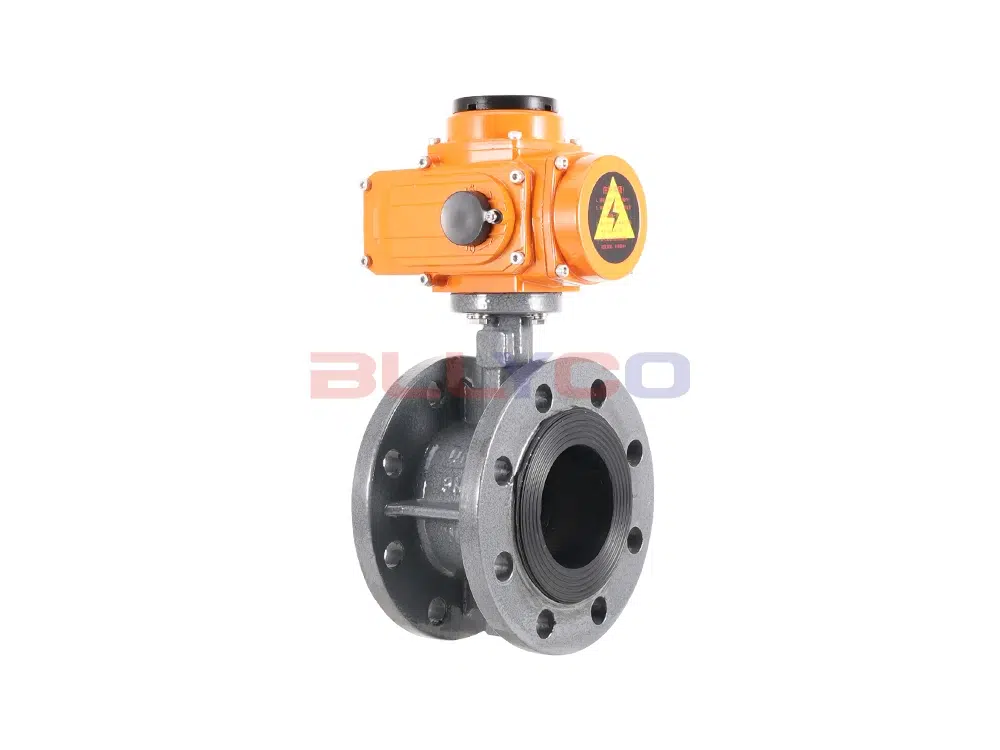
With its compact structure, convenient operation and excellent sealing performance, the butt-clamp butterfly valve is widely used in the piping system of oil/gas, chemical industry, water treatment, thermal power station and sulfuric acid acid production and other industries. It is suitable for space-restricted occasions, can effectively control the fluid (opening and closing, regulating, intercepting), withstand high pressure and temperature, and corrosion-resistant, and is a key component to ensure the stable operation of industrial processes.

The Importance and Choice of Installation Direction of Flange Ball Valves

The Importance and Choice of Installation Direction of Flange Ball Valves

Although flange ball valves can theoretically be installed in both directions, the actual installation direction needs to be carefully determined according to the characteristics of the fluid (such as pressure fluctuations, impurities) and specific process requirements to ensure valve performance, sealing effect and safe and stable operation of the pipeline system.

Functional Analysis of Flange Ball Valves

Functional Analysis of Flange Ball Valves

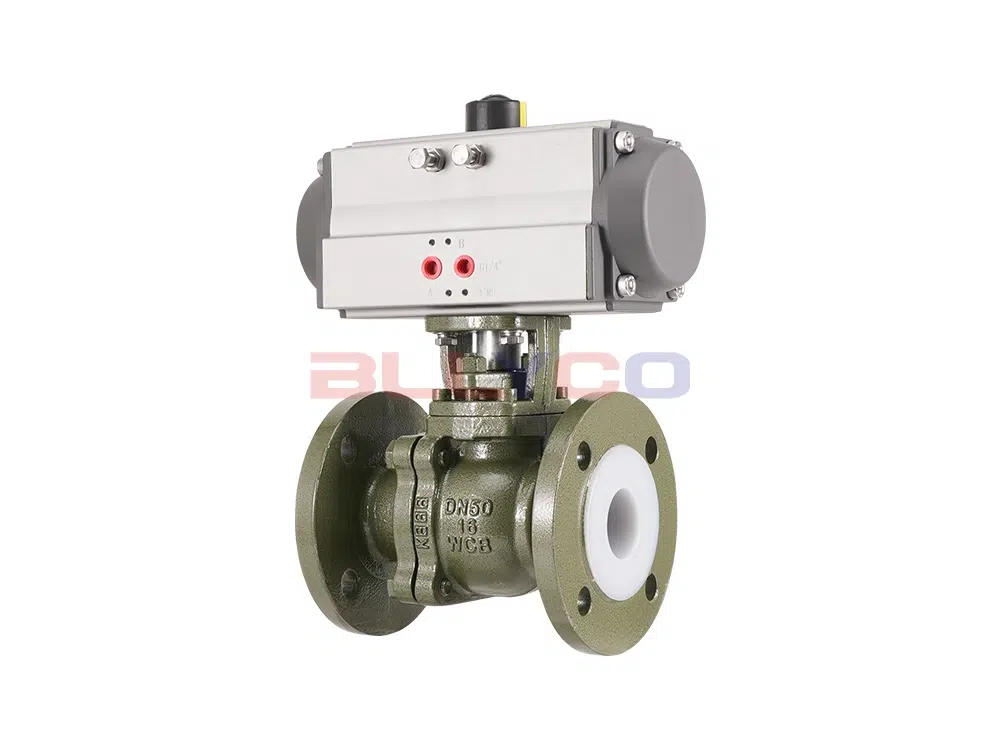
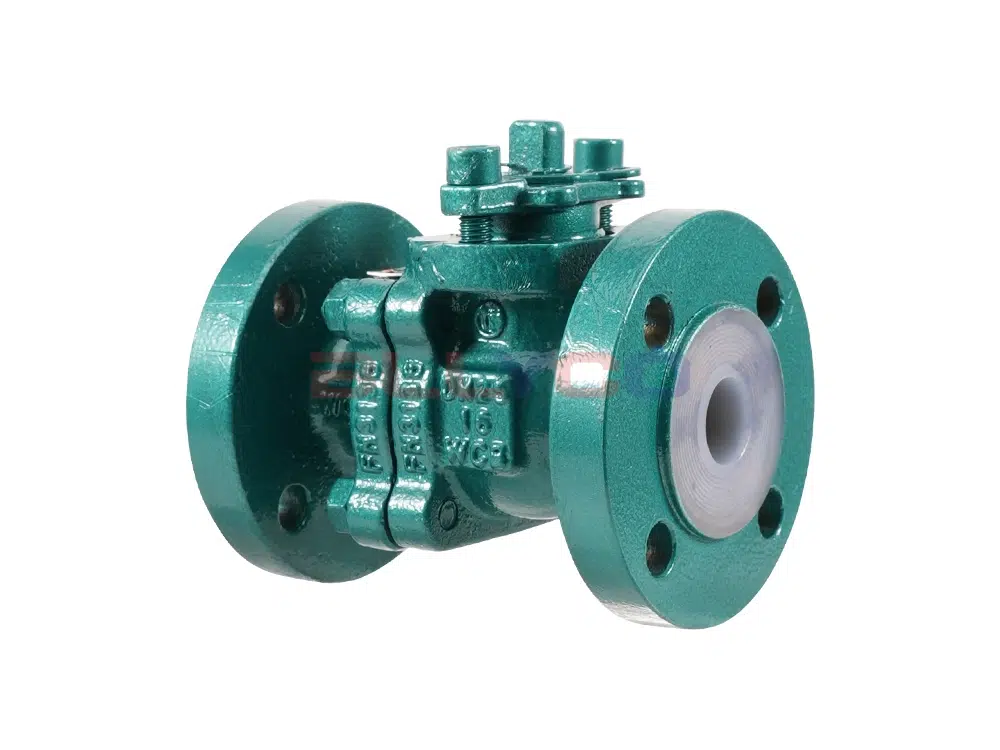
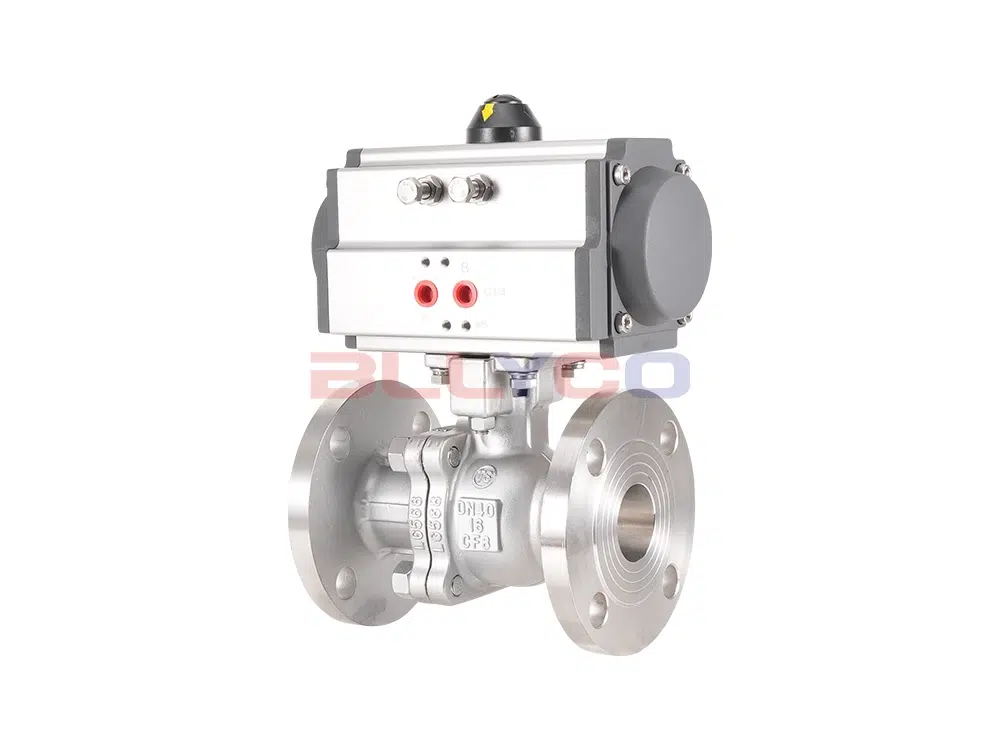
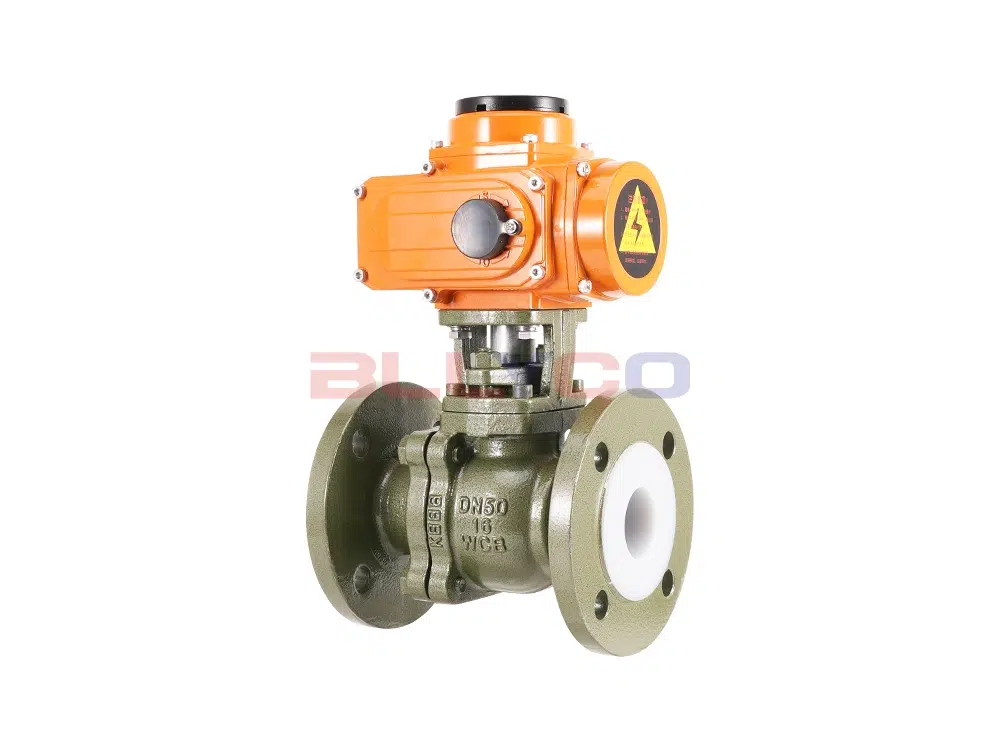
Flanged ball valves are the core equipment for fluid control, with the advantages of fast switching, excellent sealing and low fluid resistance, they are suitable for chemical, petroleum and other high-flow systems, and can accurately regulate the flow rate and pressure to ensure the efficient operation of industrial pipelines.

The Role of the Gate Valve in the Pipeline System and its Material Application Differences

The Role of the Gate Valve in the Pipeline System and its Material Application Differences

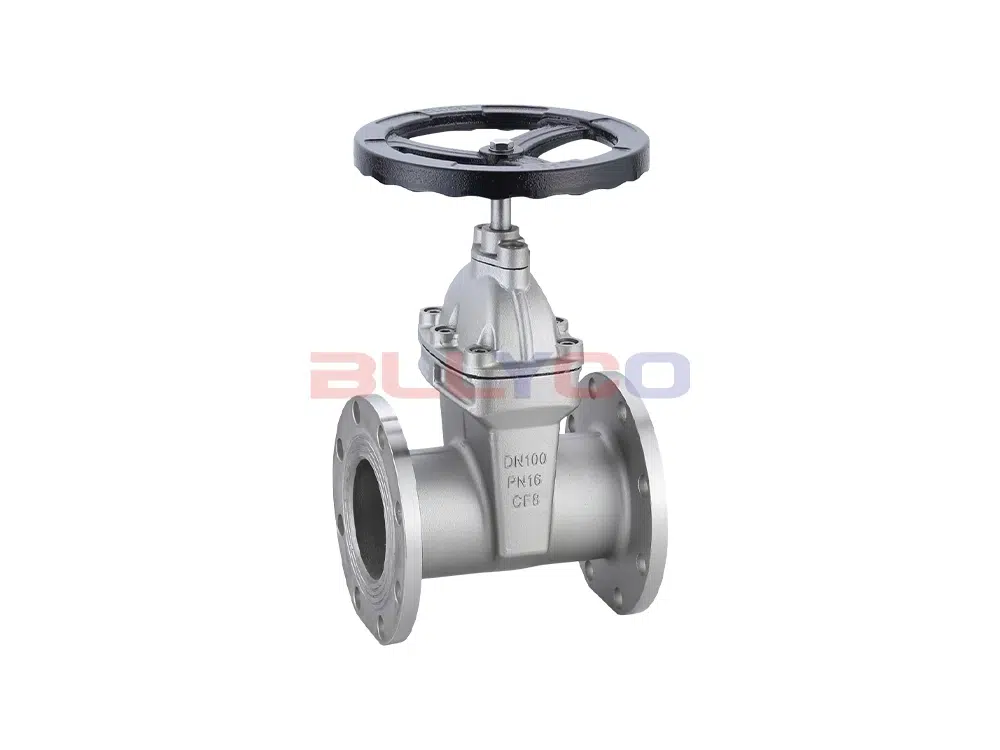
The core difference between cast steel gate valve and cast iron gate valve lies in the material characteristics and pressure capacity. Cast steel gate valve with high strength, corrosion resistance, petrochemical, natural gas and other high-pressure (> 1.6MPa), high temperature or corrosive media pipeline of choice. Cast iron gate valve is simple structure, low cost, widely used in water supply and drainage, municipal engineering and other low pressure (≤ 1.6MPa) system. Selection should be based on the working pressure, temperature and media characteristics, to ensure the safe and stable operation of the pipeline.

Hard Seal Butterfly Valve Application Environment and Characteristics of Details

Hard Seal Butterfly Valve Application Environment and Characteristics of Details

Hard seal butterfly valves are widely used in all kinds of harsh industrial environments due to their excellent adaptability. It can reliably cope with extreme temperatures (from hundreds of degrees Celsius for high-temperature steam to low temperatures in cold regions), adapt to a variety of pressure levels (from medium and low pressure for water supply and drainage to high pressure for chemical processes), and be compatible with a variety of media (including gases, liquids, weakly corrosive solutions and materials containing solid particles), ensuring the sealing safety of piping systems and stable operation under various working conditions.

Key Valves for Air-Conditioned Pump Rooms: Butterfly Valves

Key Valves for Air-Conditioned Pump Rooms: Butterfly Valves

With the advantages of simple structure, compact size and low cost, the centerline butterfly valve has become a key valve in air-conditioned water pump rooms. It efficiently controls water flow (opening/closing/regulating) by rotating the butterfly plate and provides reliable sealing in low-pressure water systems, meeting the space and functional requirements of the pump room and guaranteeing stable system operation.

Are Ball Valves Suitable for Sludge Lines?

Are Ball Valves Suitable for Sludge Lines?

Ball valves can be used in sludge pipelines, but they need to be selected according to specific working conditions. Ball valves have the advantages of compact structure, easy operation, good sealing and easy maintenance, especially motorized V-ball valves, which are very effective in sludge flow control (e.g. precise addition of chemicals). When selecting, it is important to consider the temperature, pressure, corrosiveness and solid particle content of the sludge medium, and choose the appropriate material and structure (such as hard/soft seal, pneumatic/electrical) to ensure a smooth process, easy maintenance and improve production efficiency.

Types of Check Valves and Their Application Areas in Detail

Types of Check Valves and Their Application Areas in Detail

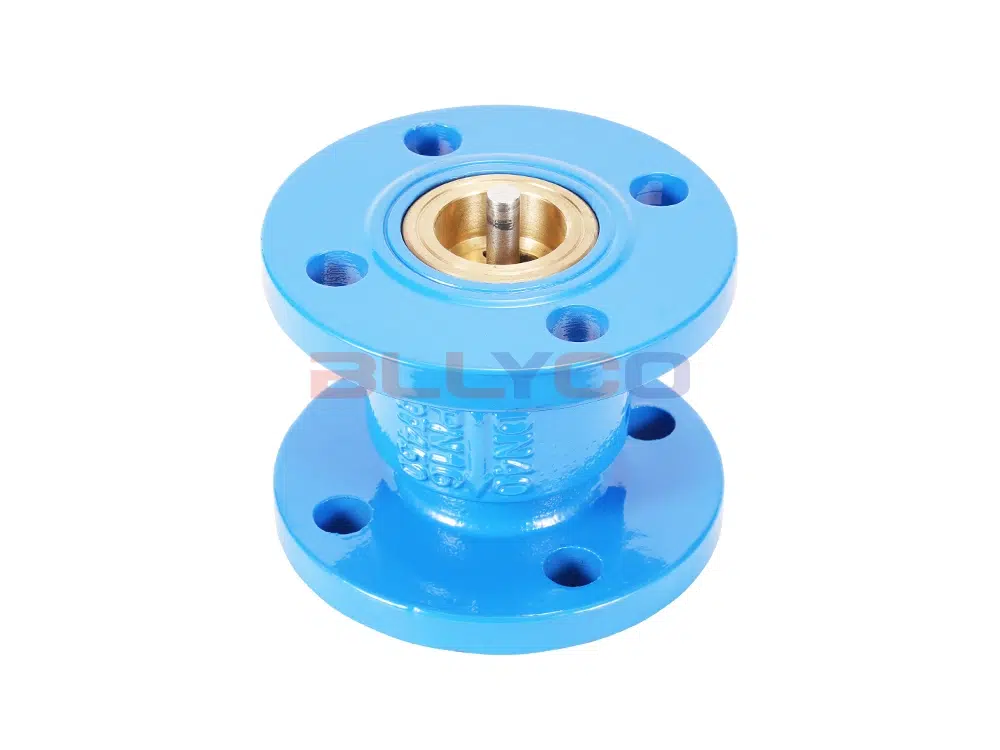
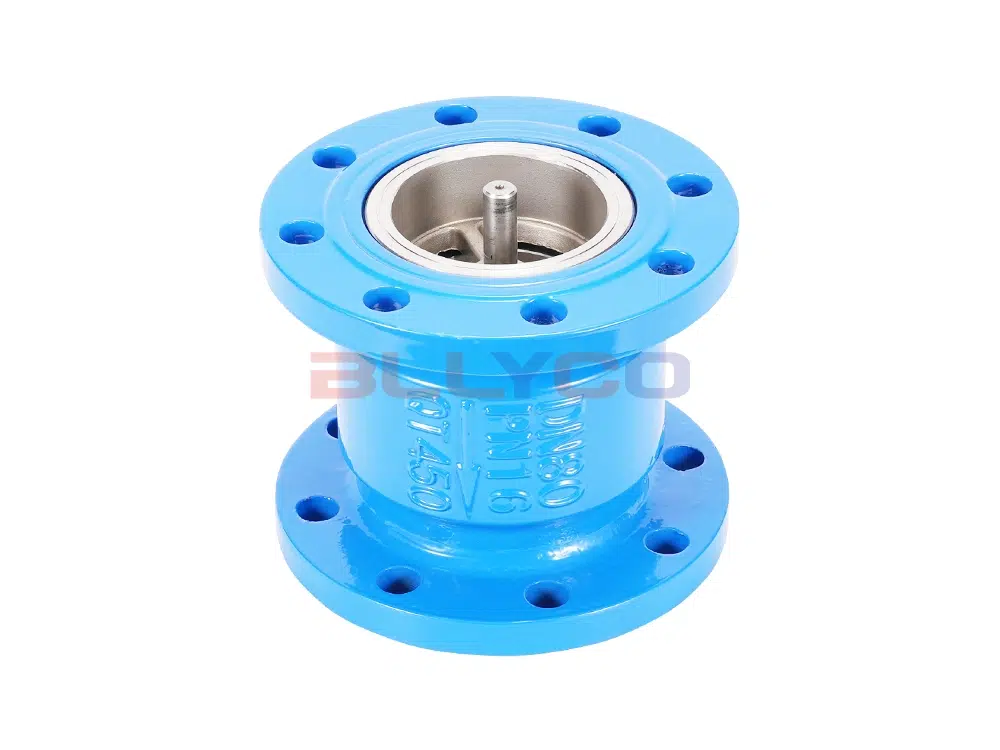
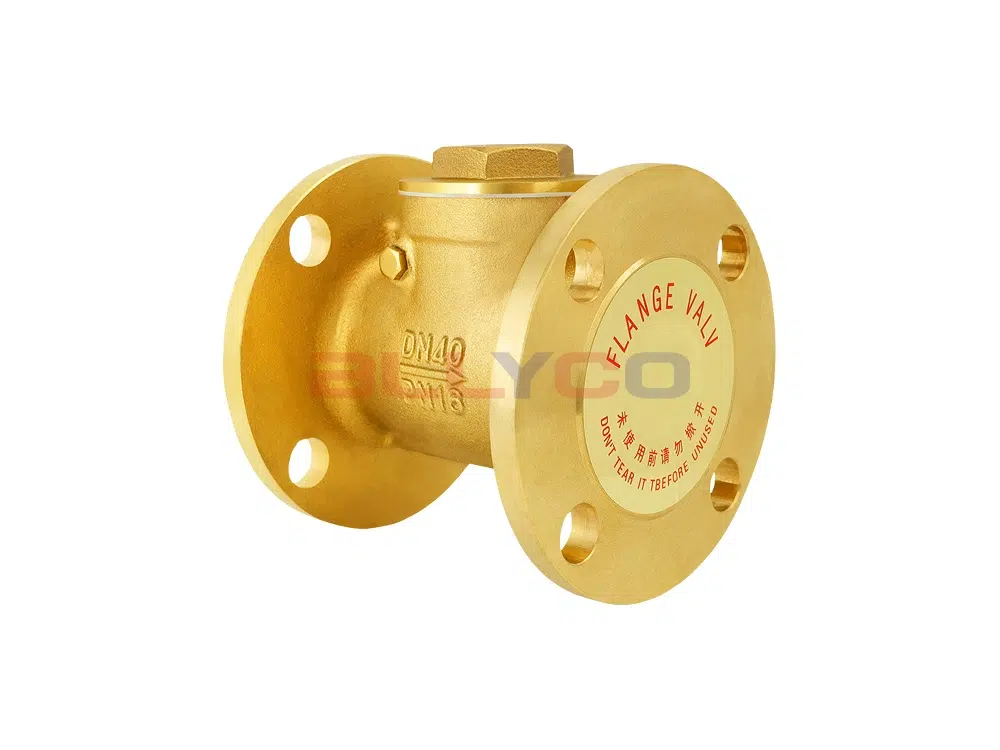
Check valves are key components to prevent backflow of fluids and ensure stable operation of industrial and civil fluid systems. The main types include swing-open (single, double, multi-valve) and lift-open (vertical, horizontal), which are suitable for different pipe sizes and flow rate scenarios. Materials such as cast iron, cast steel and stainless steel offer a wide range of options to meet corrosion, pressure and temperature requirements.

How to Select a Gate Valve for Circulating Water Systems

How to Select a Gate Valve for Circulating Water Systems

This article provides expert advice on selecting gate valves for circulating water systems. Wedge single gate valves are suitable for conventional industrial systems, good sealing but need clean water; resilient gate valves are suitable for large systems, strong sealing and adaptable to changes in pressure and temperature; and concealed stem gate valves are suitable for small building systems, compact and easy to operate. Selection needs to be comprehensive system size, water quality, pressure and temperature and other factors to ensure efficient and stable operation.

Choosing Between Gate and Ball Valves: An Analysis of Advantages and Disadvantages

Choosing Between Gate and Ball Valves: An Analysis of Advantages and Disadvantages

Gate valves and ball valves have their own advantages, the selection depends on the specific needs. Gate valve flow resistance is small, simple maintenance, suitable for large diameter, low resistance pipeline; ball valve compact structure, good sealing, fast switching, more adaptable to space constraints, high sealing and the need for rapid opening and closing of the scene. According to the working conditions, media and installation conditions is the key to a comprehensive choice.

Selection and Application of Gate, Ball, Globe and Butterfly Valves to Help Companies Improve Production Efficiency

Selection and Application of Gate, Ball, Globe and Butterfly Valves to Help Companies Improve Production Efficiency

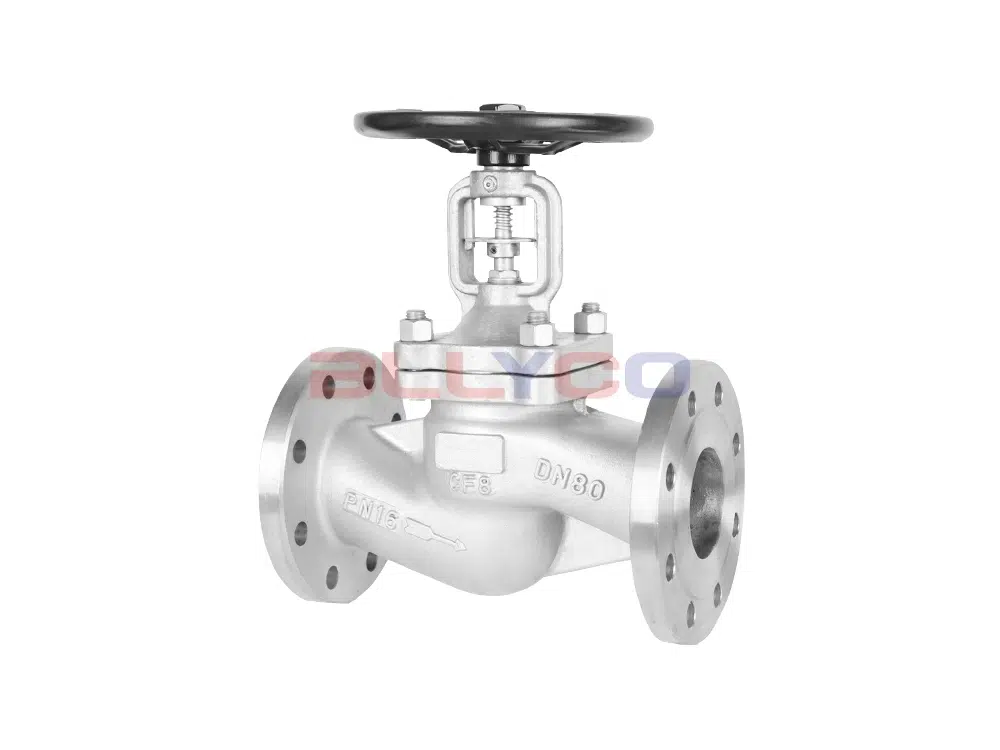
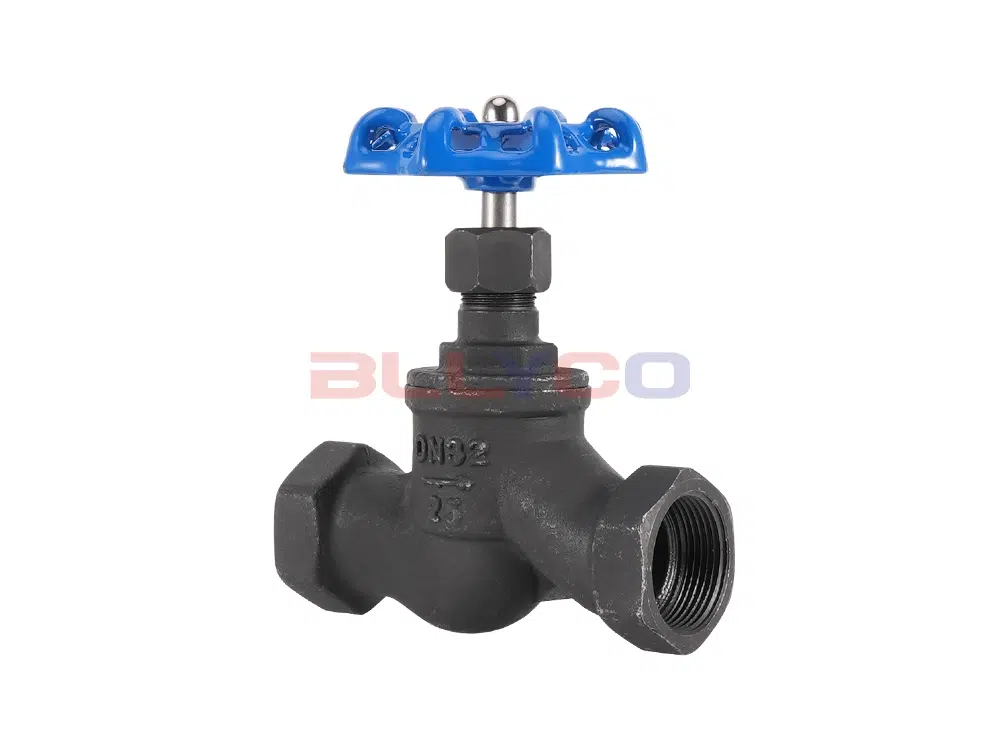
This article describes in detail the characteristics, advantages and disadvantages, and application scenarios of four common industrial valves: gate valves, ball valves, globe valves, and butterfly valves, to help companies optimize the choice according to the nature of the fluid, frequency of operation, flow regulation accuracy and other factors, in order to improve production efficiency, ensure pipeline safety and stable operation. Each type of valve has its own focus: gate valves are suitable for interception control, ball valves for efficient opening and closing, globe valves for precise regulation, butterfly valves for economic energy saving. When selecting the type of valve, we need to consider the durability, economy and working environment requirements.

WeChat
WeChat
WeChat
WhatsApp
Message

Contact Us for Your Exclusive Service!