









Commonly Used Types of Manual Valves

Date: 2025-06-15 Categories: Valve Knowledge Views: 4932

Excerpt:

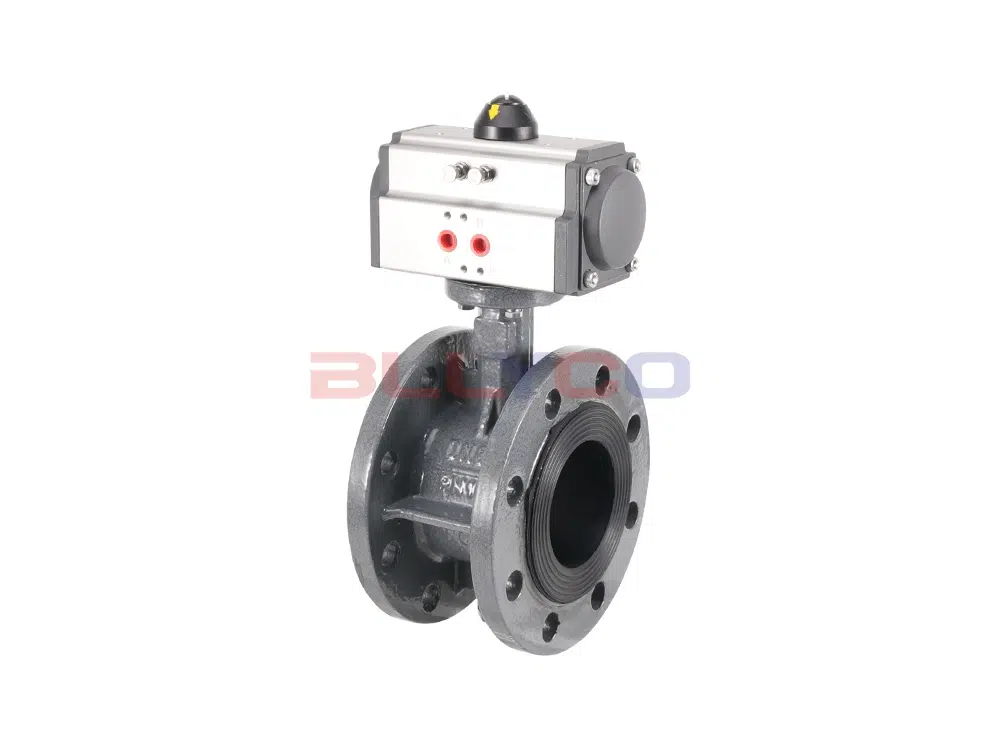
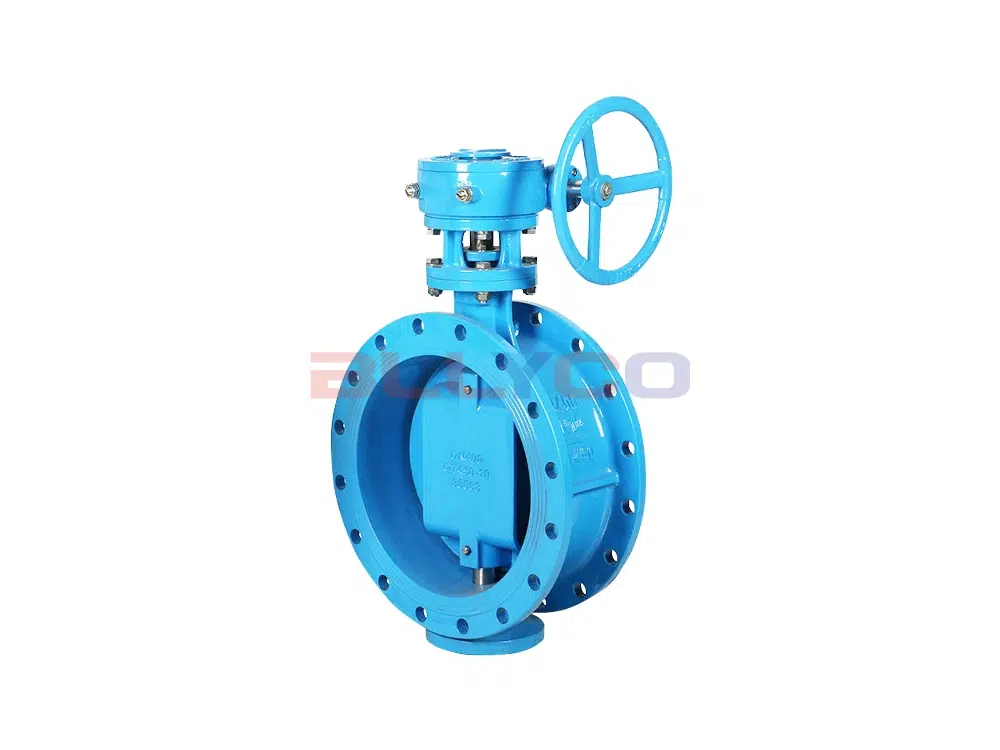
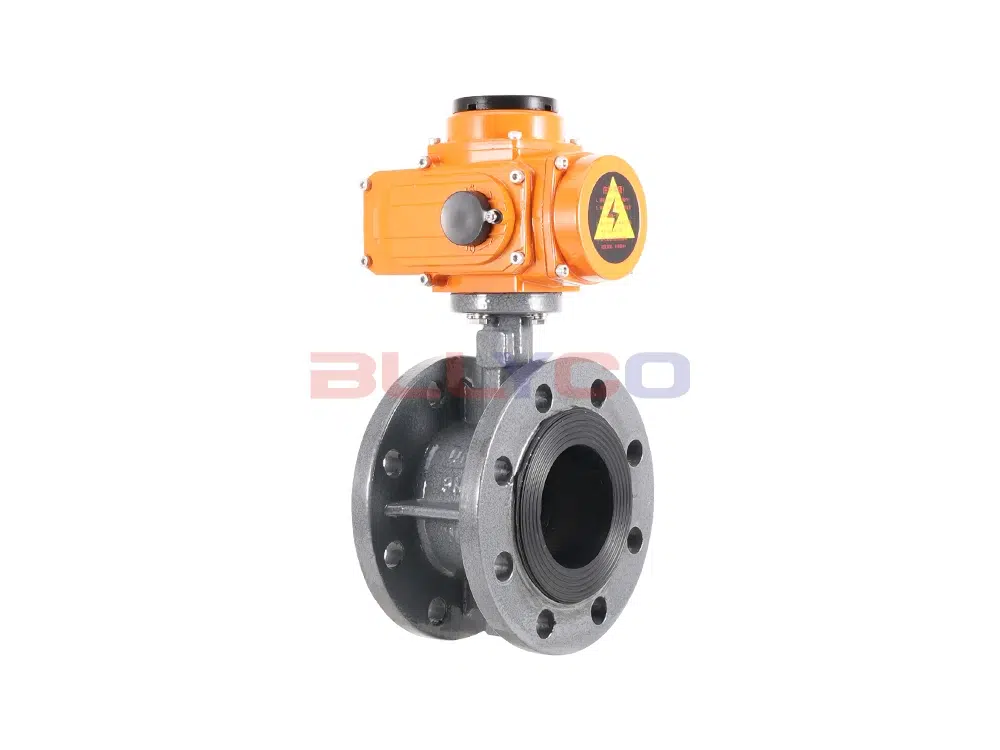
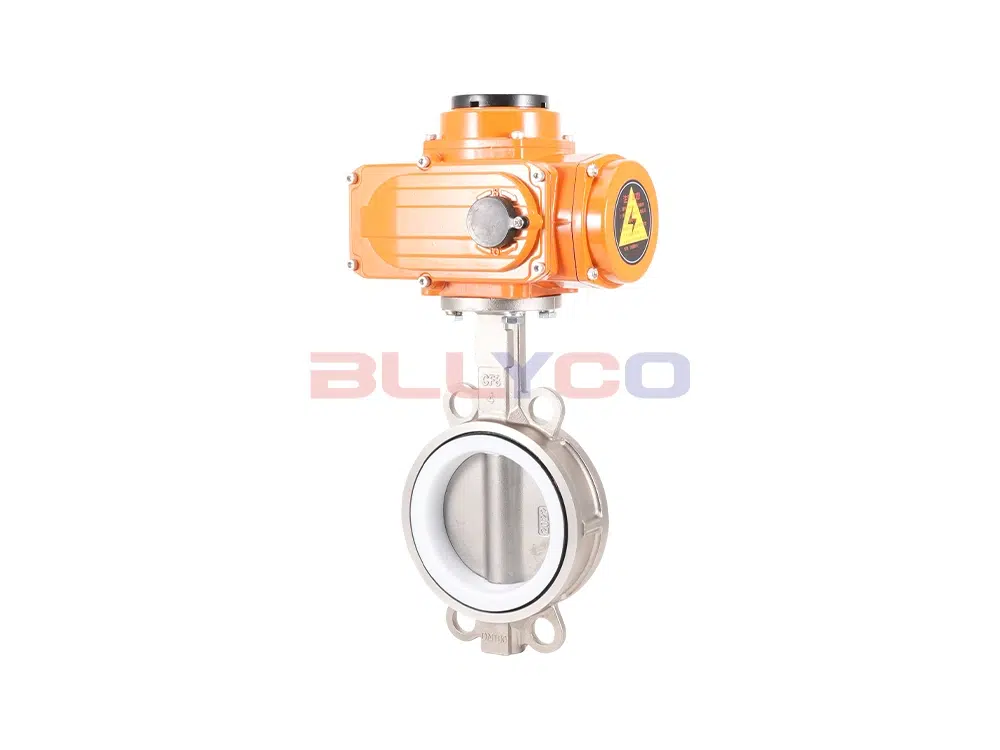
Manual valves are key control elements in the pipeline fluid transportation system, widely used in industrial fields, designed to ensure smooth fluid transportation and safe operation of the system. This article focuses on four common types: manual butterfly valve (simple structure, convenient operation, divided into handle type and worm gear type, applicable to different caliber pipeline), manual gate valve (commonly used in water distribution system, divided into open rod and concealed rod type, opening and closing status intuitive), manual ball valve (used to cut off the flow, shunt and adjust the direction of flow, opening and closing parts for the ball) and manual disconnecting valve (good abrasion resistance, maintenance is convenient, but opening and closing torque, nominal diameter). (≤200mm). Selection needs to be based on the pipeline characteristics and working environment to ensure that the system is efficient and stable.

Manual valves, as a pipeline fluid delivery system in the key control elements, its application throughout many industrial areas. A wide variety of varieties, different functions, its core objective is to ensure smooth fluid transportation and reliable guarantee of safe operation of the system. This article will elaborate on several typical manual valves widely used in the industry.

1752202338 0ca1dd358859189f27b45cbf0149c038

I. Manual Butterfly Valve

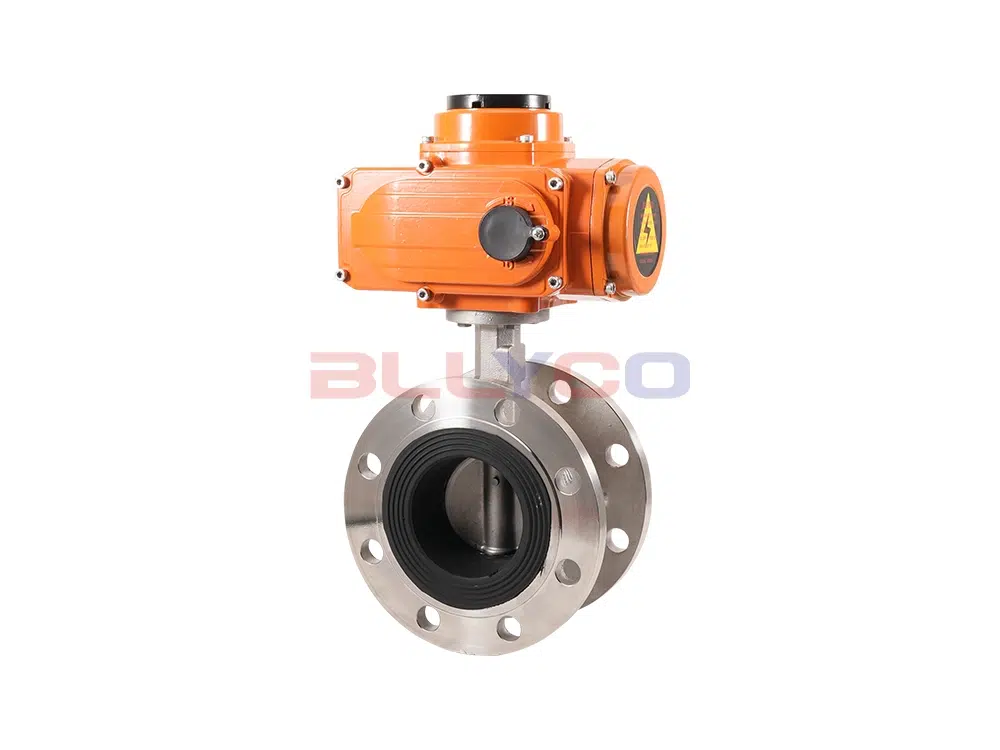
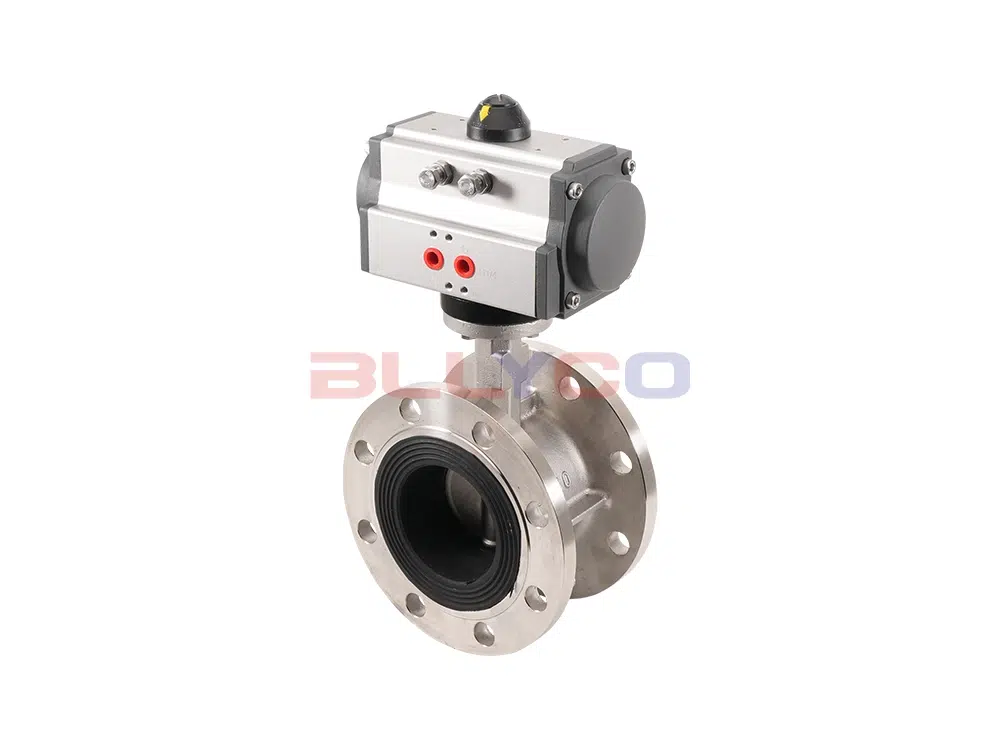
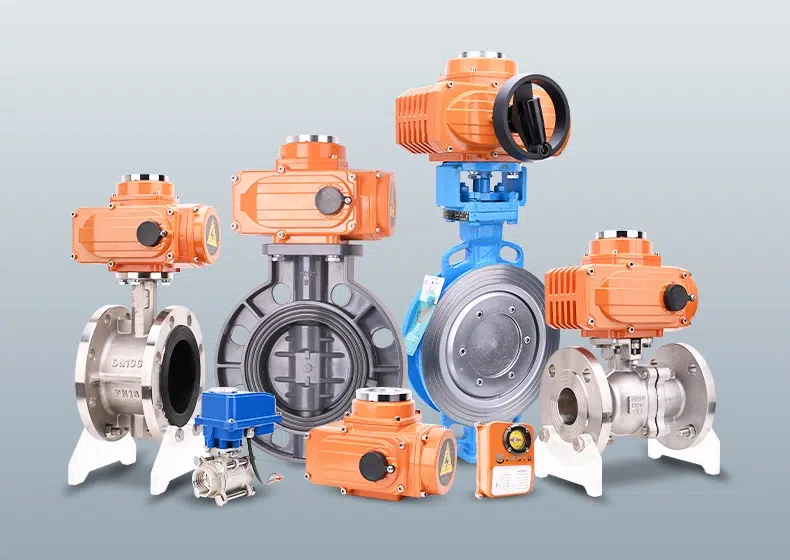
As a common type of valve, manual butterfly valve is popular for its simple structure and convenient operation. According to the different driving methods, it can be divided into two categories: handle butterfly valve and worm gear butterfly valve. Handle type butterfly valve is mainly used in pipeline system with small caliber, while worm gear butterfly valve is more suitable for large caliber pipeline control needs. Worm gear butterfly valve is driven by gear rolling in the turbine box to realize the opening and closing of the butterfly valve, which is not only labor-saving, but also highly efficient.


II. Manual Gate Valve

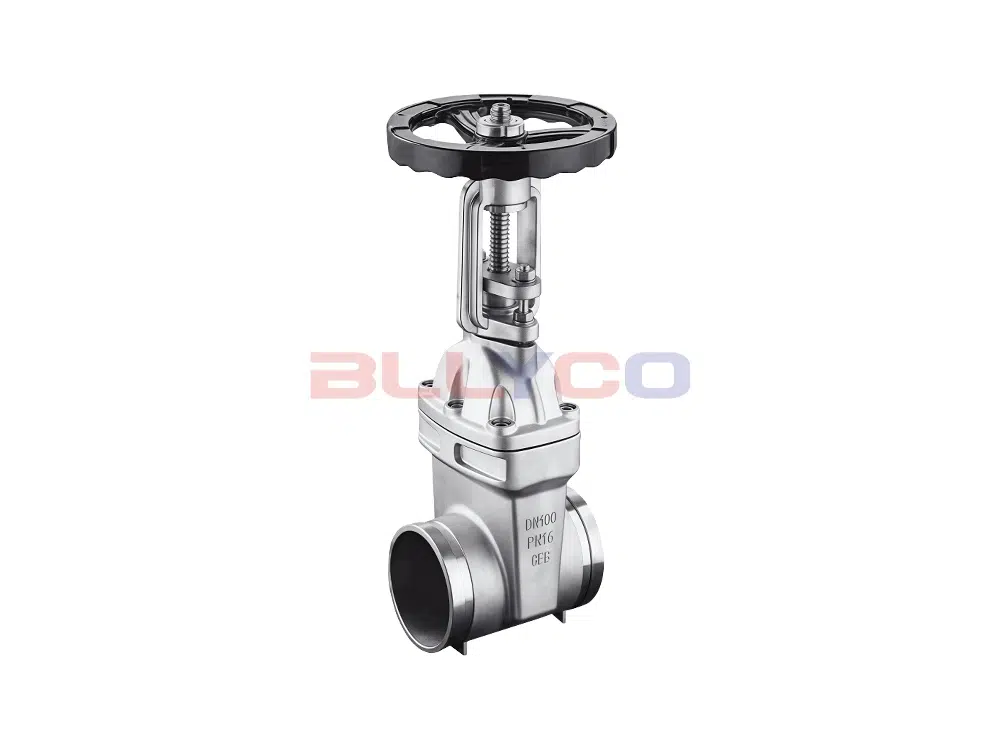
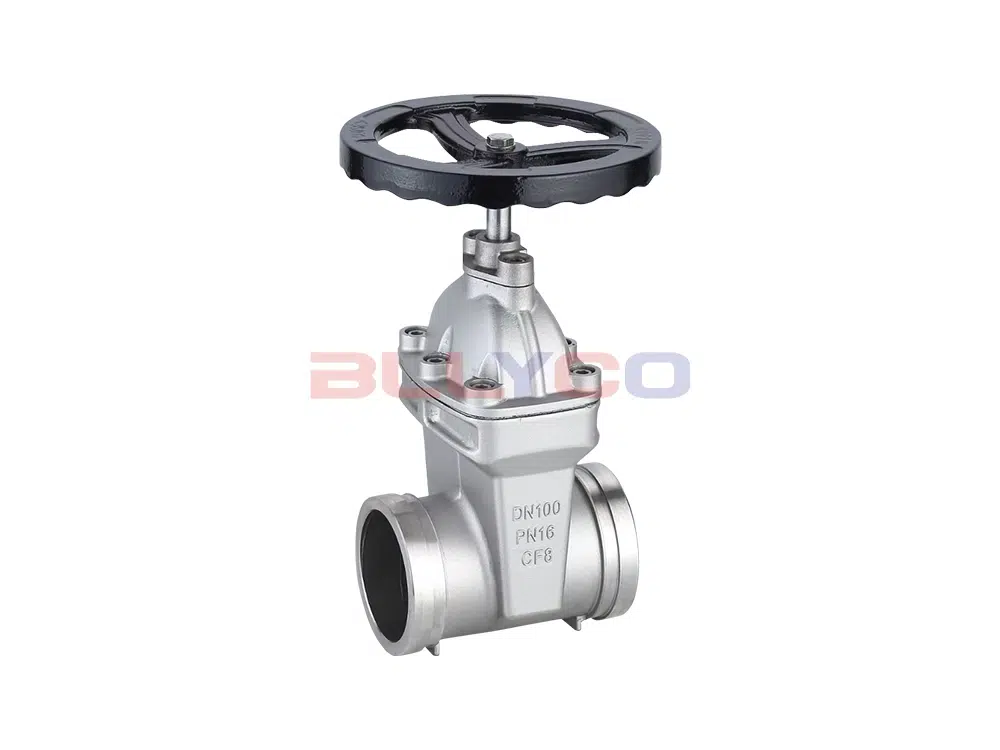
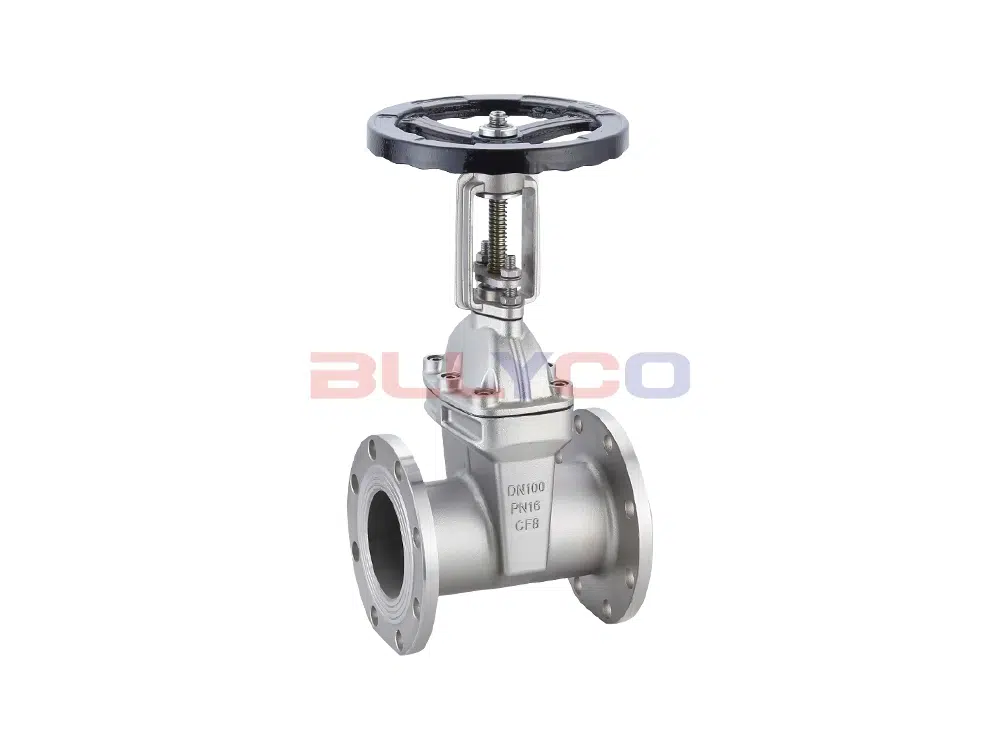
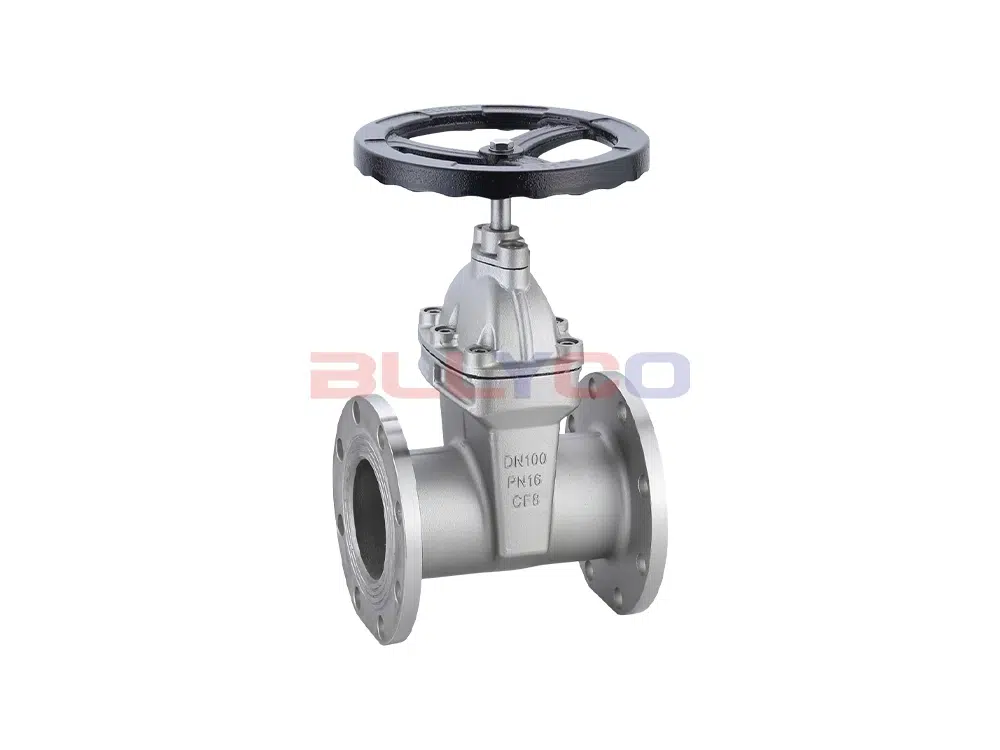
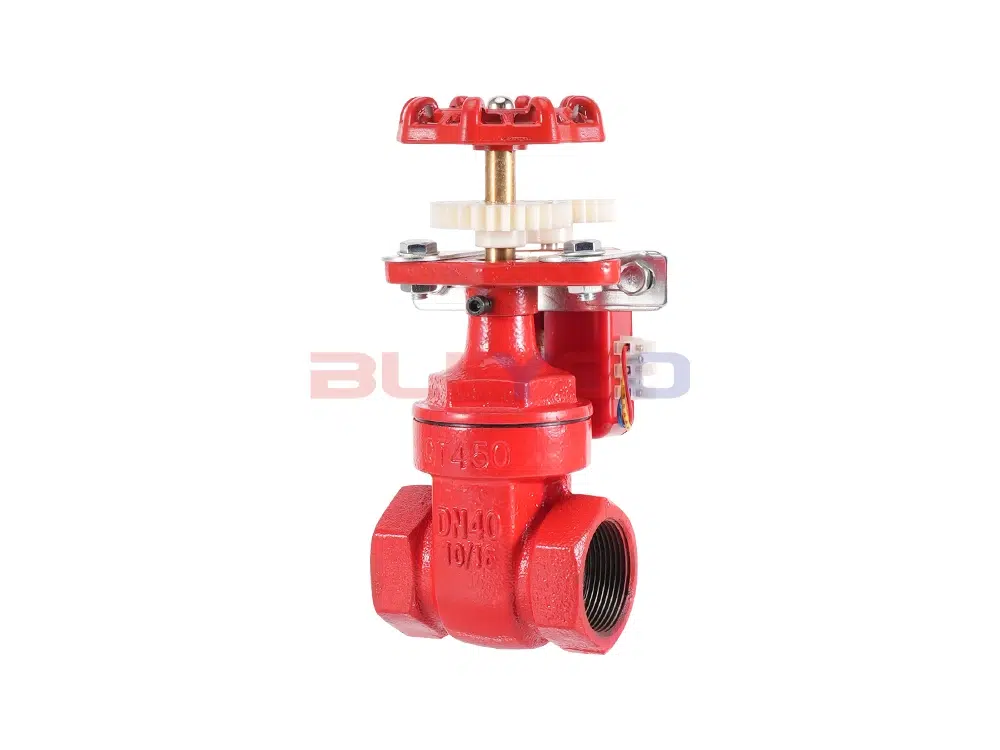
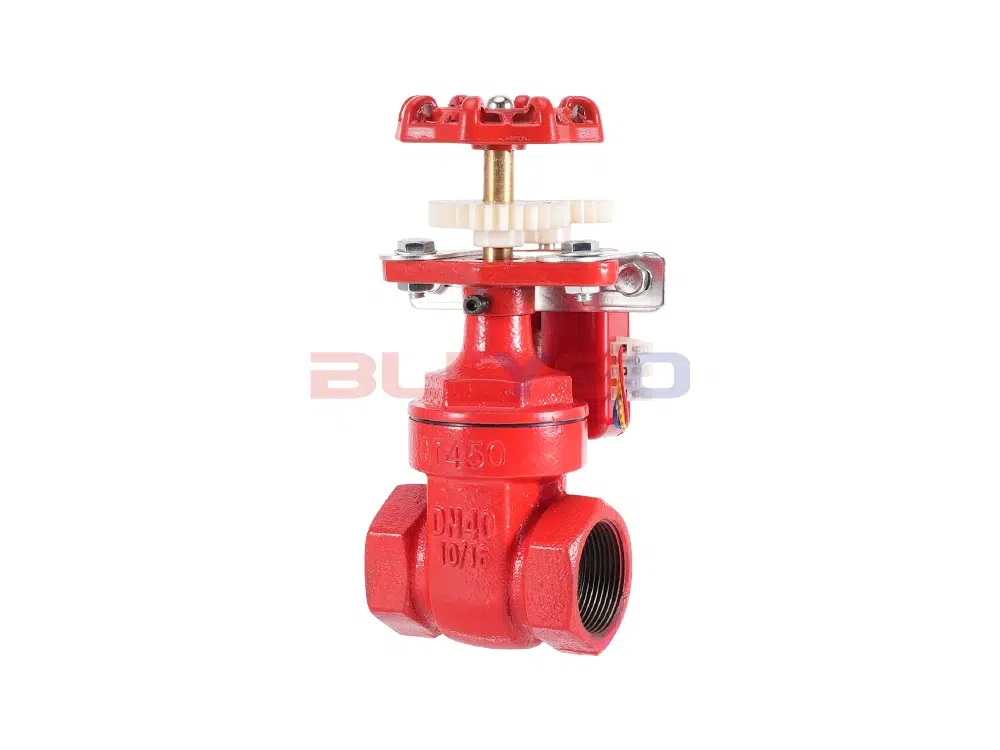
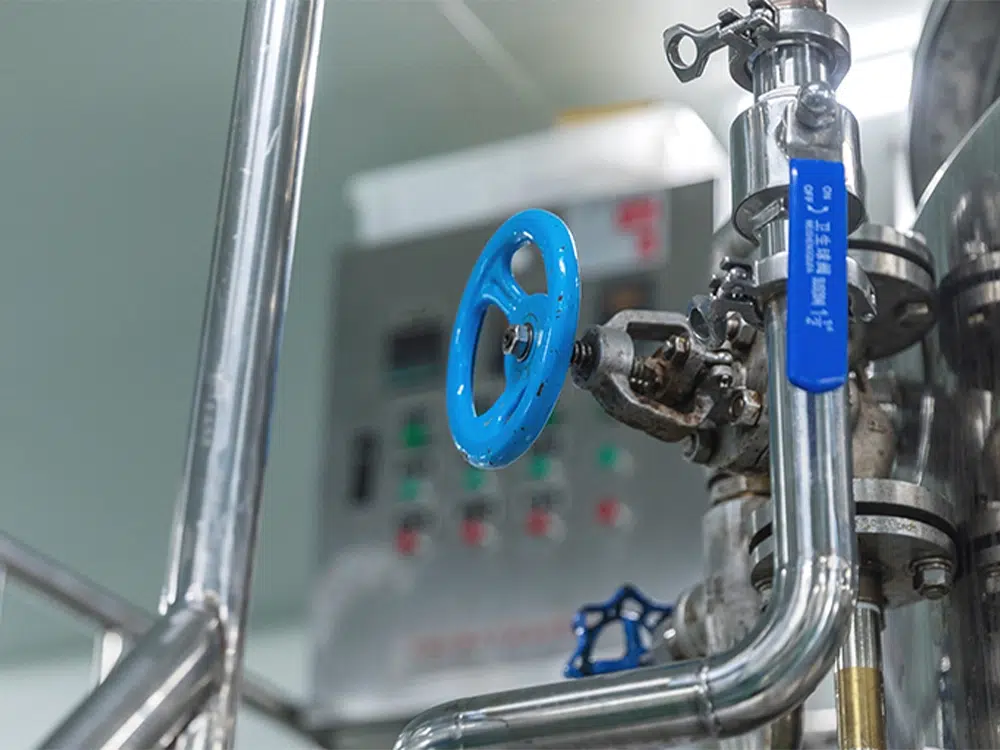
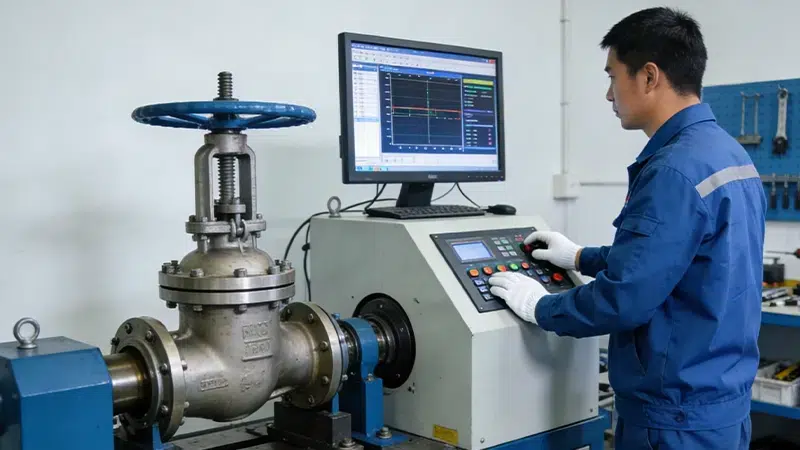
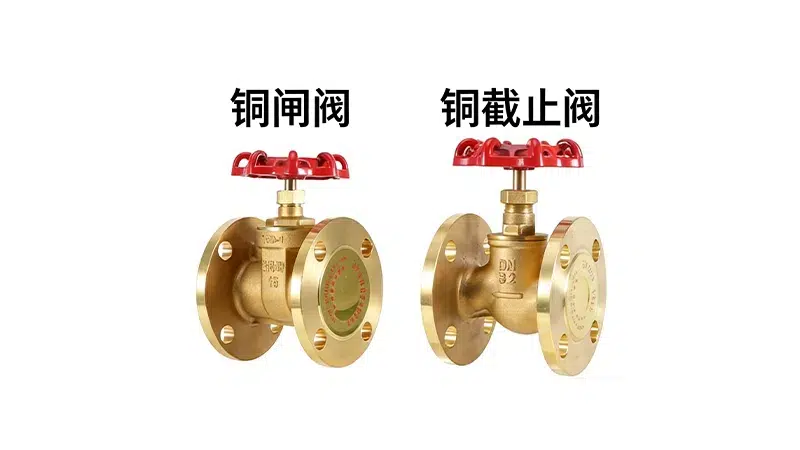
Manual gate valves are extremely common in water pipeline systems and are operated by opening and closing with a handwheel. According to its structural characteristics, it can be distinguished into two kinds of open-stem and concealed-stem. Open stem gate valve stem threads are partially exposed, so that the valve opening and closing status at a glance; in contrast, the stem of the dark stem gate valve is hidden inside the valve body, need to rotate until the valve can not be rotated to determine its opening and closing status.


III. Manual Ball Valve

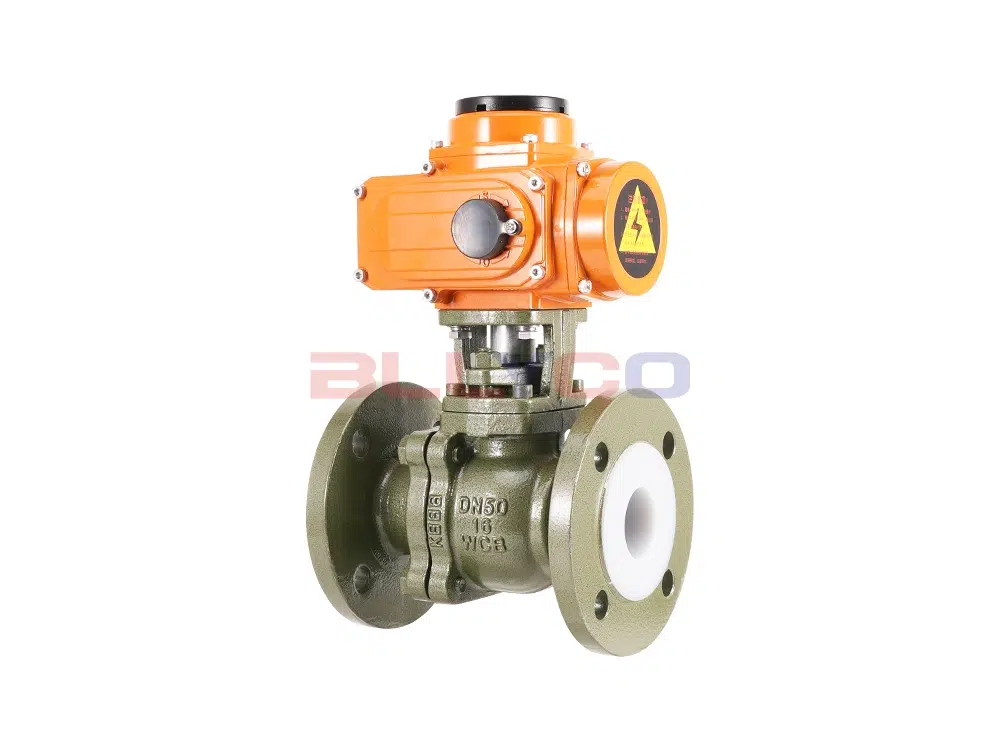
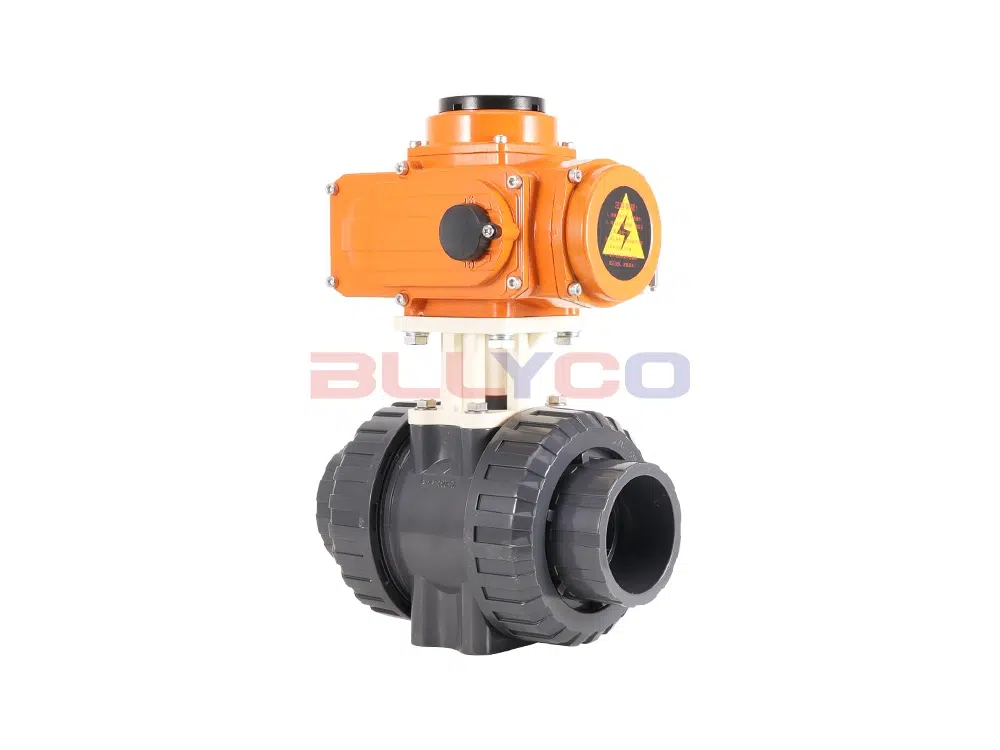
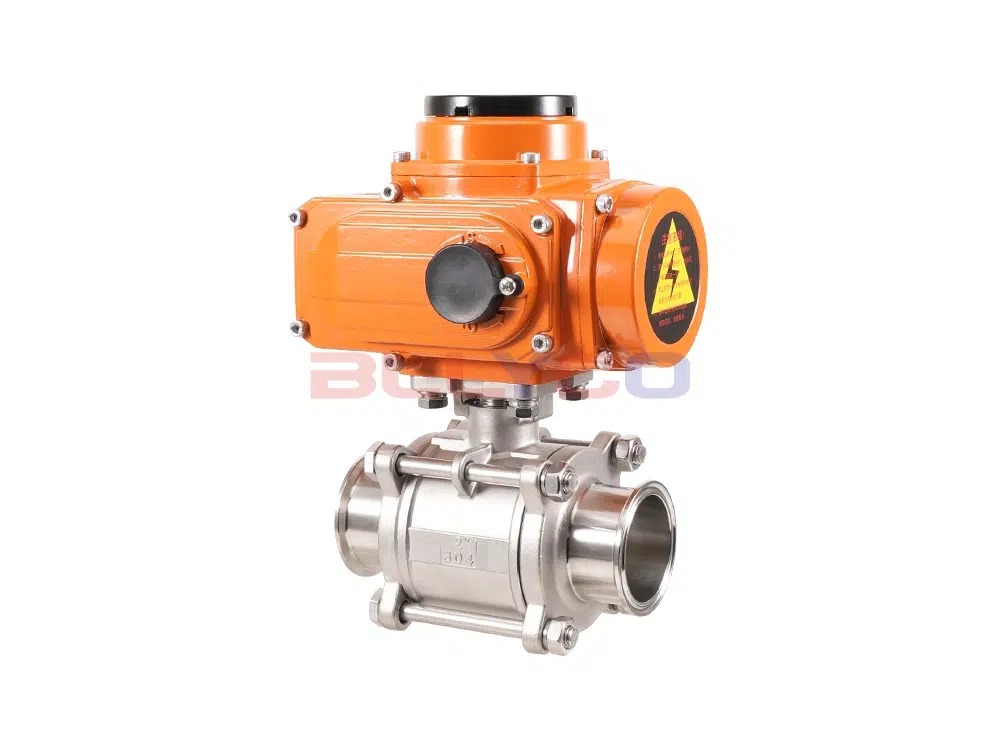
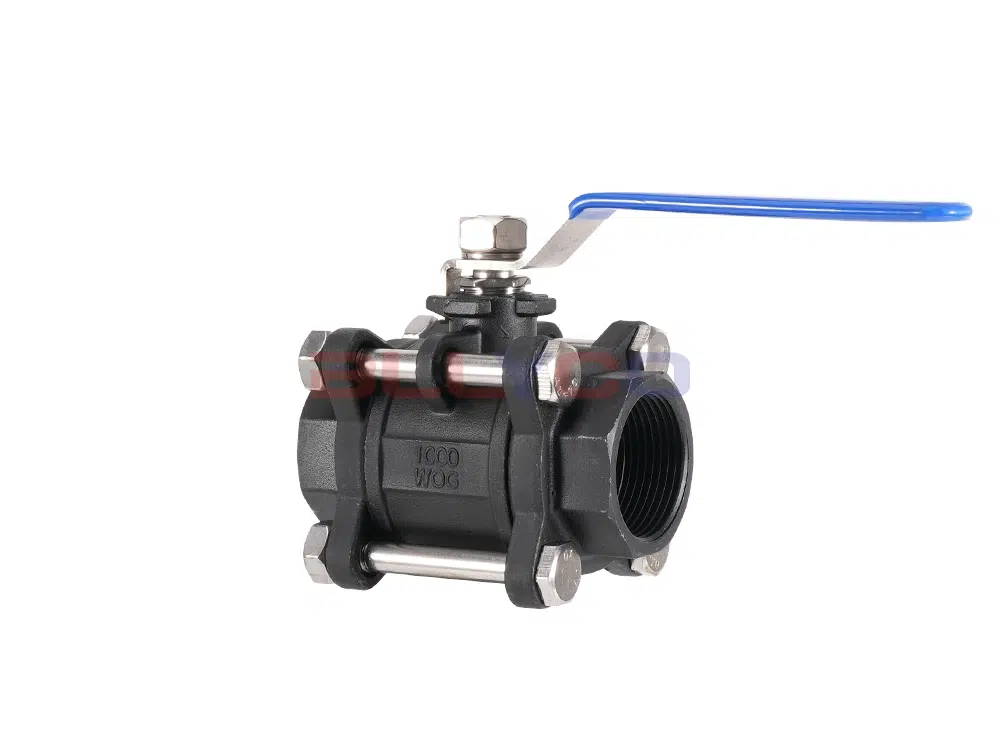
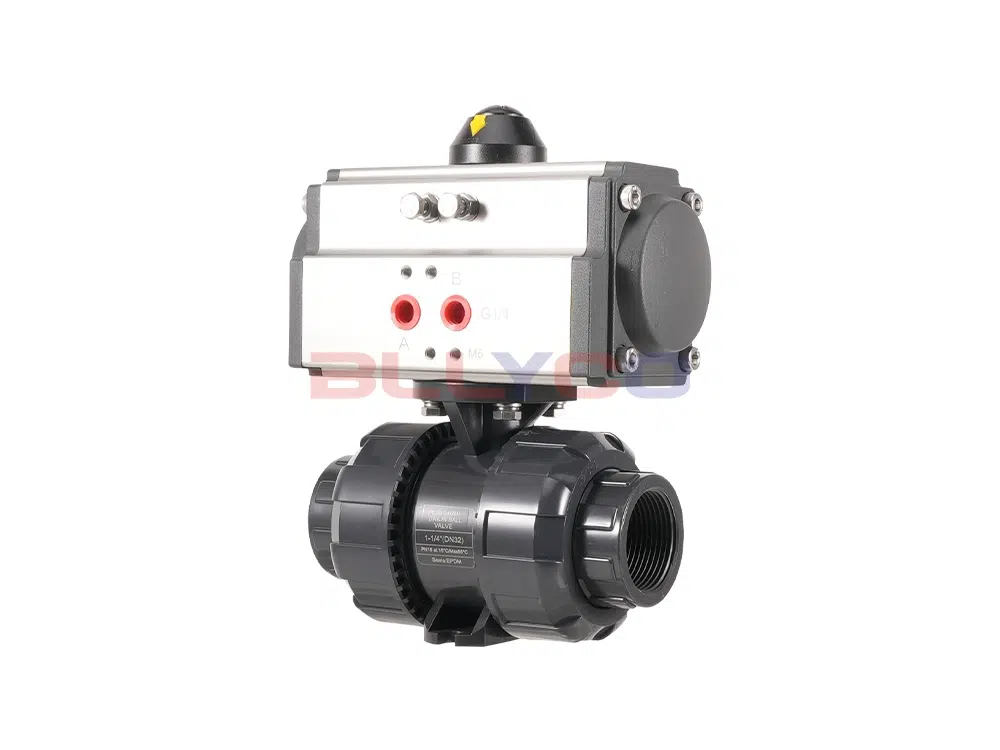
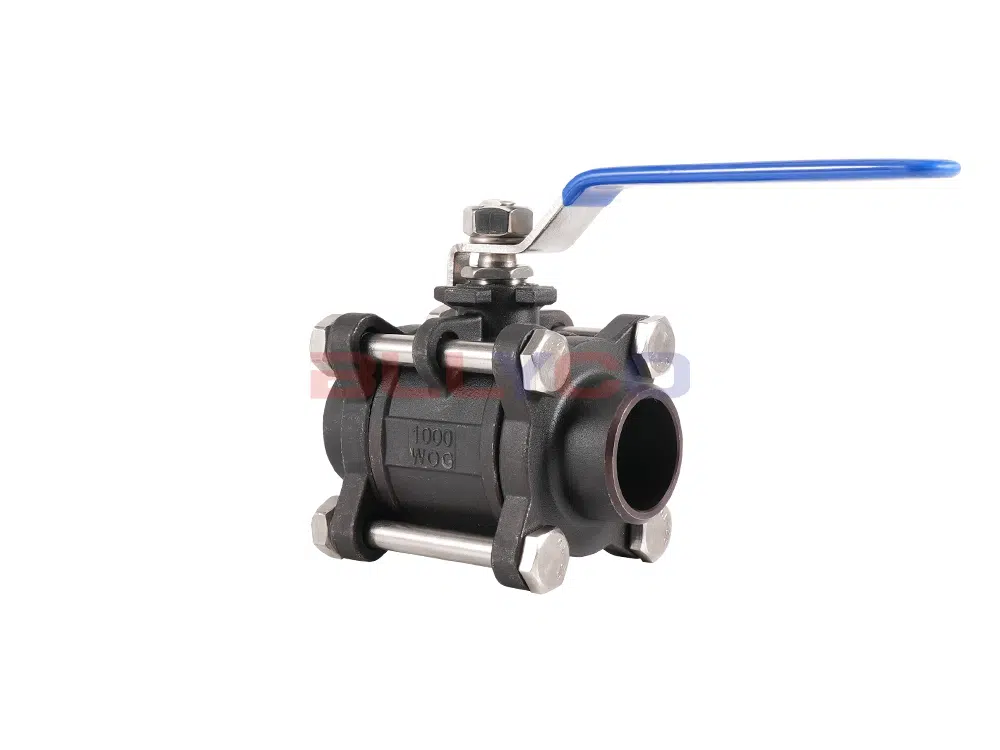
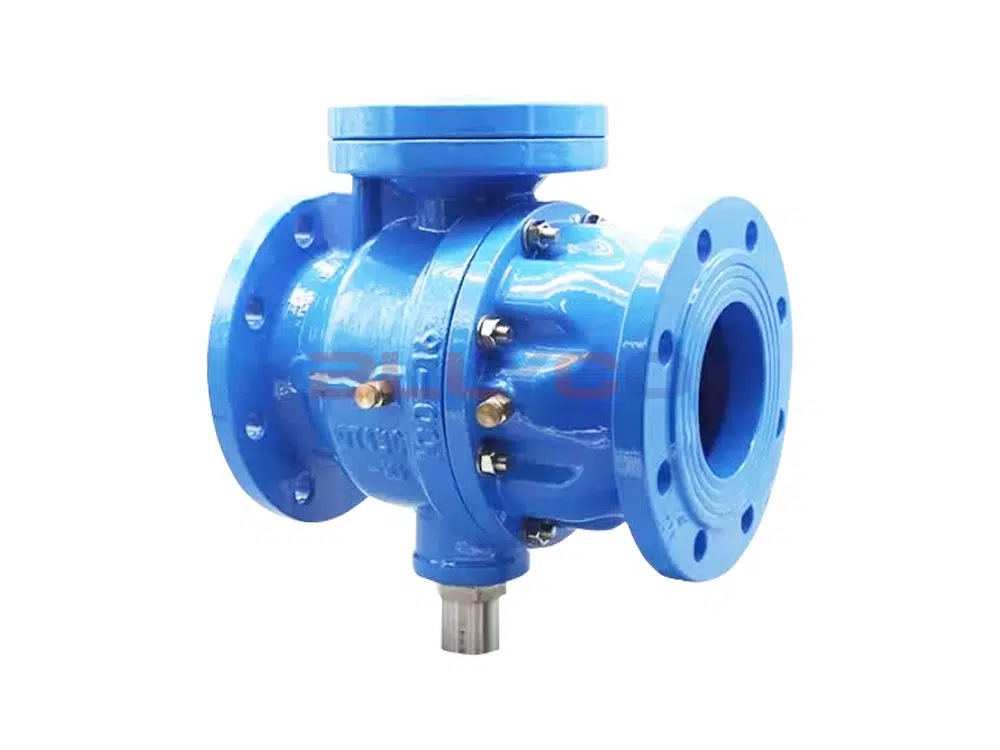
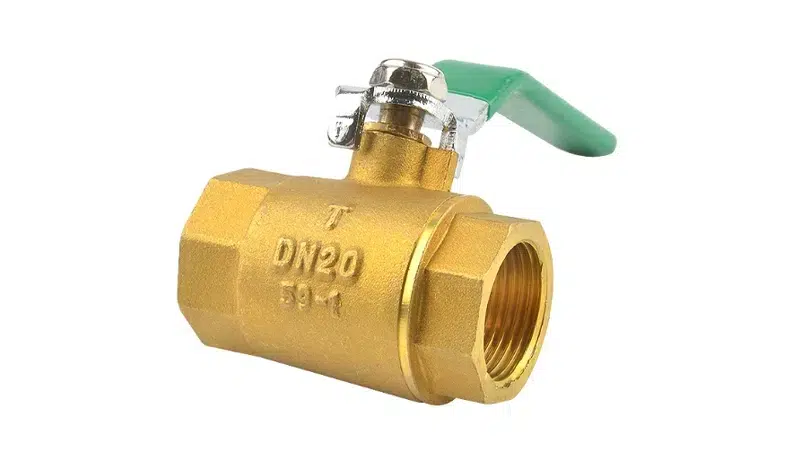
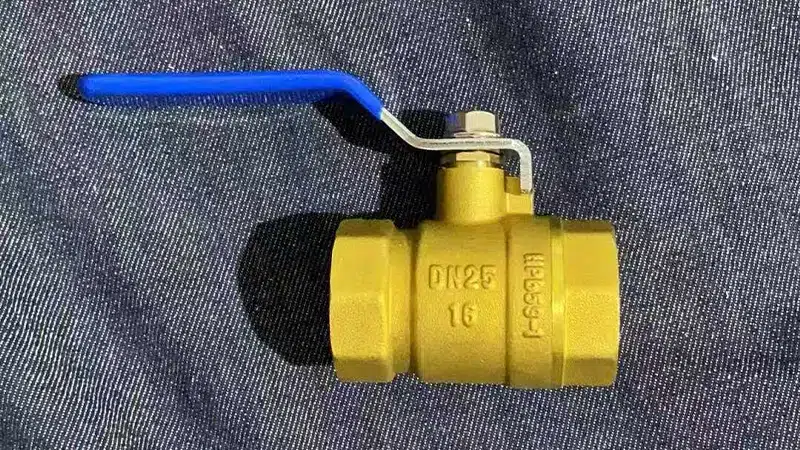
Manual ball valves and manual butterfly valves are similar in structure and rely on manually operated handles or handwheels to control the opening and closing of the valve. The opening and closing parts of the ball valve are spherical in design, and the opening and closing of the valve is realized by the rotating motion of the ball in the centerline of the valve body. In the pipeline system, the ball valve is mainly responsible for cutting off, diverting and regulating the flow of media tasks.


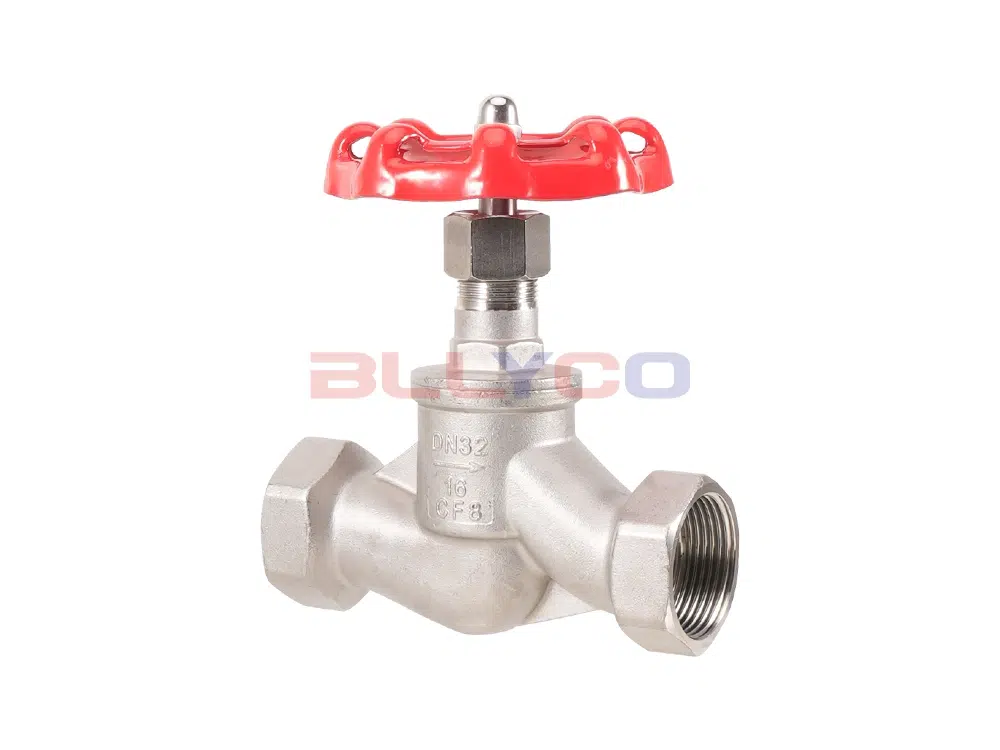
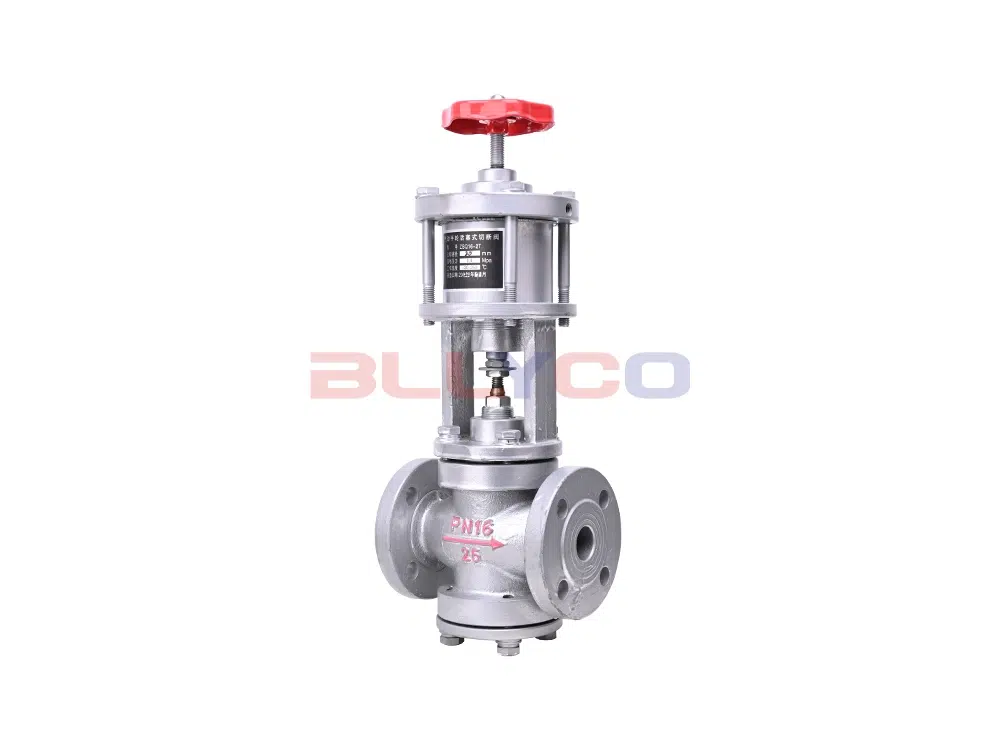
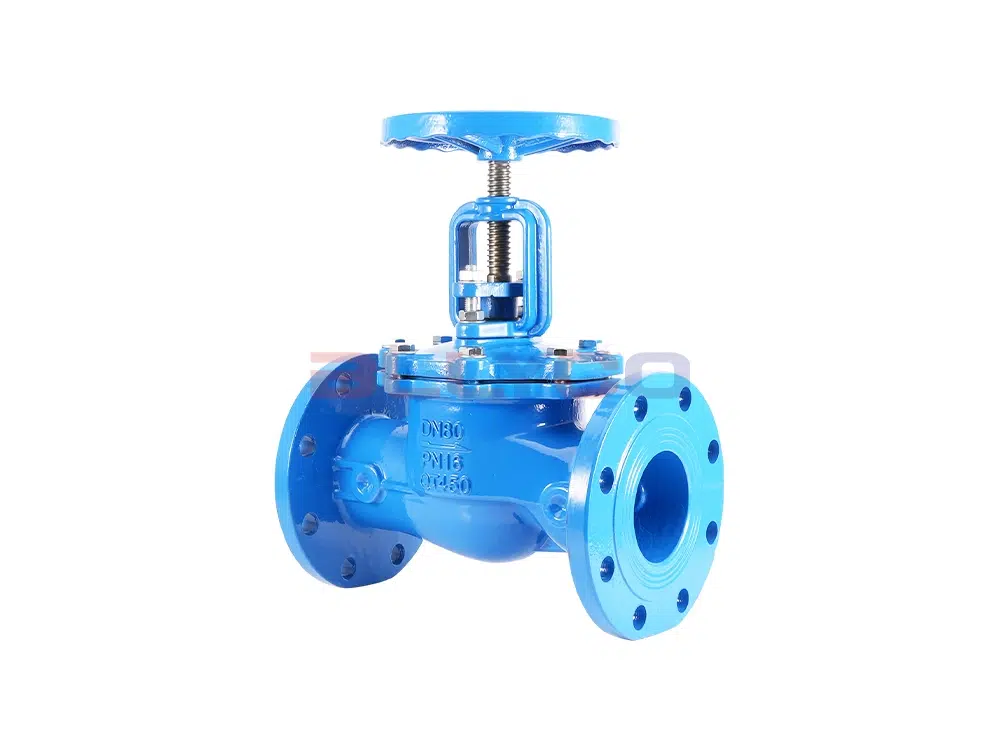
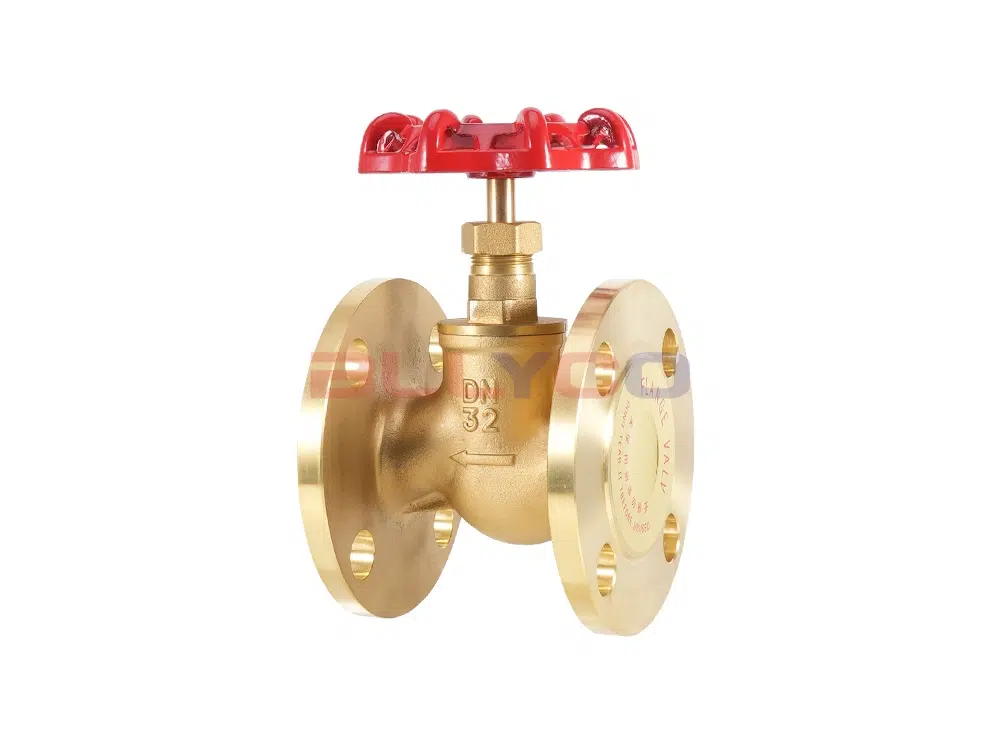
IV. Manual globe valve

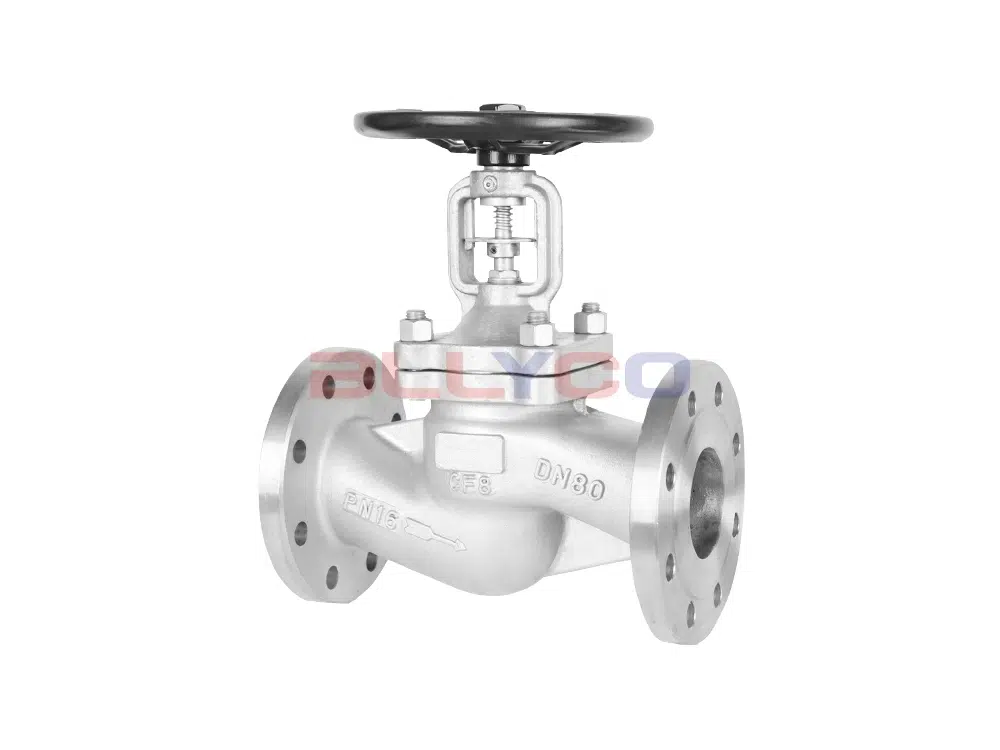
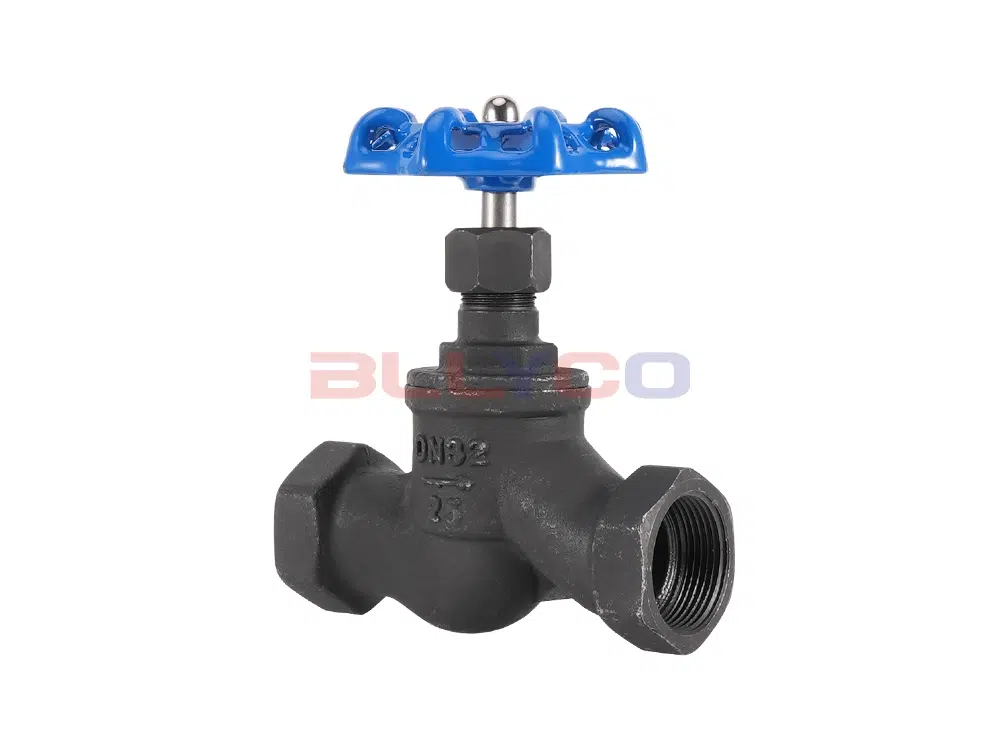
Manual globe valve in the opening and closing action, the friction resistance of the sealing surface is relatively low, with excellent wear resistance. In addition, its opening height is also moderate, excellent manufacturing technology, maintenance is very convenient. Nevertheless, in view of the opening and closing the required torque is larger, the structure length is also longer, therefore, usually its nominal diameter is limited to DN ≤ 200mm below.


Overall, the manual valve variety, each with its own characteristics. In specific application scenarios, must be based on the characteristics of the piping system and the working environment, select the appropriate type of valve, so as to protect the smooth operation of the system and safety and stability.

WeChatWeiboFacebookXRedditPinterestLinkedInStumbleUponWhatsAppvKontakteCopy link